
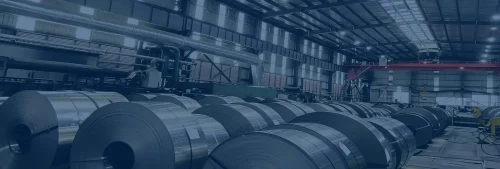
Do oil-immersed transformers and dry-type transformers impose identical requirements on transformer steel
Introduction
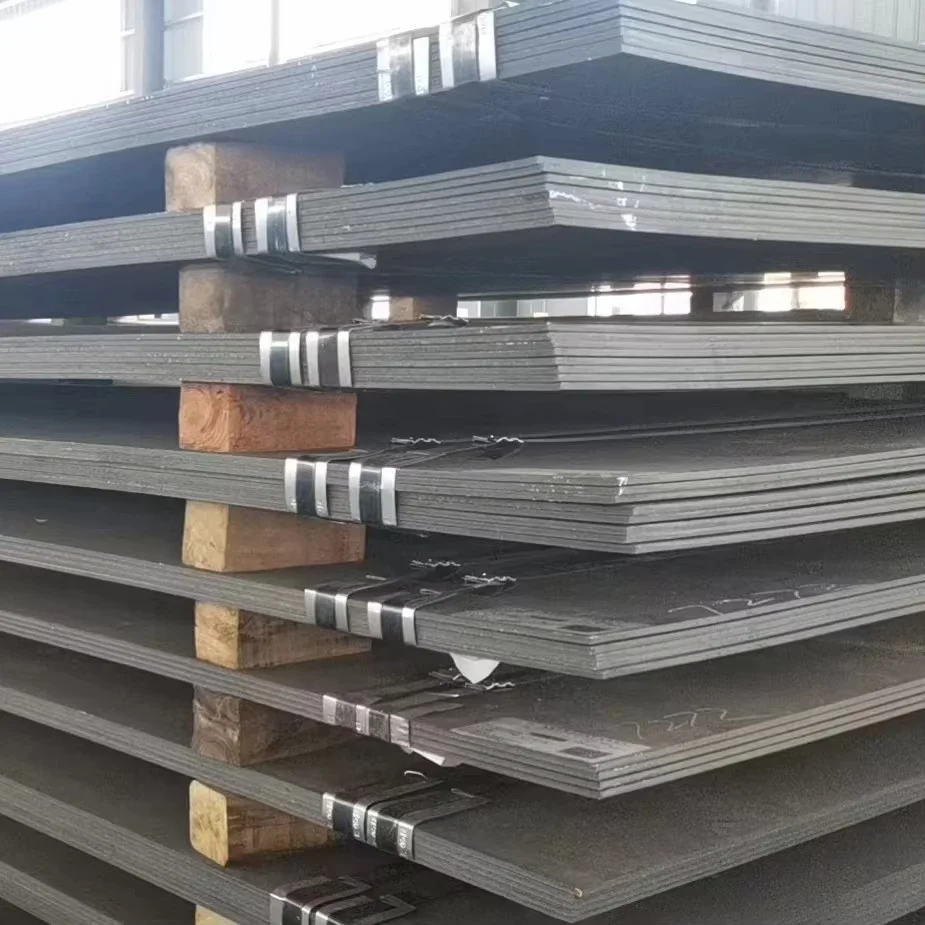
Do oil-immersed transformers and dry-type transformers impose identical requirements on transformer steel? This question matters for engineers and buyers. Both transformer types use electrical steel. However, their cooling methods differ greatly. As a result, their steel demands are not the same. This article explains the key differences. It also covers core loss, insulation, and mechanical needs.
Cooling Methods Drive Steel Differences
Oil-immersed transformers rely on insulating oil. This oil cools the core and windings. It also protects the steel from moisture. Therefore, the steel needs high chemical stability. Dry-type transformers use air for cooling. They often operate in indoor or sensitive areas. Consequently, their steel must handle higher temperatures. Heat dissipation becomes a primary concern. These cooling gaps lead to different steel grades.
Core Loss and Magnetic Properties
Both transformer types want low core loss. Low loss saves energy and reduces heat. Yet, oil-immersed units often run at higher flux densities. So, their steel may need better magnetic permeability. Dry-type transformers usually run at lower flux. This reduces noise and heat stress. As a result, grain-oriented steel works well for both. But the required thickness and coating can vary. For instance, oil units may use thinner sheets. Dry units may prefer thicker sheets for stiffness.
Insulation and Coating Needs
Oil-immersed transformers face oil-based insulation. The steel coating must resist oil breakdown. It also must not react with oil additives. Dry-type transformers face air and moisture. Their steel coating focuses on corrosion resistance. It also must withstand thermal cycling. Therefore, the coating types differ. Oil units often use ceramic or phosphate coatings. Dry units may use organic or inorganic coatings. These choices affect cost and performance.
Mechanical and Thermal Stress
Oil-immersed transformers handle short circuits well. The oil helps damp mechanical forces. Thus, the steel needs moderate mechanical strength. Dry-type transformers lack oil damping. They face stronger vibration and thermal expansion. So, their steel must resist deformation. It also must handle rapid temperature changes. These demands make dry-type steel more rigid. Oil-type steel can be more ductile. This difference impacts lamination design.
Noise and Vibration Requirements
Noise matters for both types. Oil-immersed transformers often sit outdoors. Noise rules are less strict there. Dry-type transformers often sit near people. So, they need quieter operation. This requires steel with low magnetostriction. It also needs tight lamination stacking. Therefore, dry-type units may use premium steel. Oil units can use standard grades. This is a key long-tail difference.
Cost and Availability Factors
Cost drives steel selection for both. Oil-immersed transformers are common in power grids. They use large steel volumes. So, they often buy standard grades. Dry-type transformers are smaller in volume. They may need special steel grades. These grades cost more per kilogram. Yet, dry units save on oil and containment. So, total costs can balance out. Buyers must compare life-cycle costs.
Ályktun
Do oil-immersed and dry-type transformers impose identical requirements on transformer steel? No, they do not. Cooling, insulation, mechanical stress, and noise rules differ. These factors change steel grade, coating, and thickness. Oil-immersed units favor oil-resistant, ductile steel. Dry-type units need heat-resistant, rigid steel. Both still rely on high-quality electrical steel. But the exact specifications are not the same. Engineers should match steel to transformer type. This ensures efficiency, safety, and long life.




 English
  Japanese
  Korean
  French
  German
  Spanish
  Portuguese
  Russian
  Arabic
  Italian
  Turkish
  Dutch
Dutch  Polish
  Swedish
  Danish
  Norwegian
  Finnish
  Greek
Greek  Hungarian
  Czech
Czech  Romanian
  Bulgarian
  Slovenian
  Croatian
  Slovak
  Malay
Malay  Indonesian
  Thai
Thai  Vietnamese
  Myanmar
  Khmer
Khmer  Lao
Lao  Tagalog
  Hindi
Hindi  Bengali
  Urdu
Urdu  Nepali
  Sinhala
  Hebrew
  Ukrainian
  Serbian
  Icelandic
  Swahili