
Optimizing Electrical Device Performance: Selecting the Right Silicon Steel Grades
Electrical devices are the backbone of modern technology, powering everything from household appliances to industrial machinery. The efficiency and performance of these devices are heavily influenced by the materials used in their construction. One critical material is baja silikon, which plays a pivotal role in the operation of transformers, motors, and other electrical equipment. Selecting the right grade of baja silikon is essential for optimizing performance, reducing energy consumption, and ensuring longevity. In this article, we will explore the importance of baja silikon grades, address common questions, and provide insights into making the right choice.
What is Silicon Steel and Why is it Important?
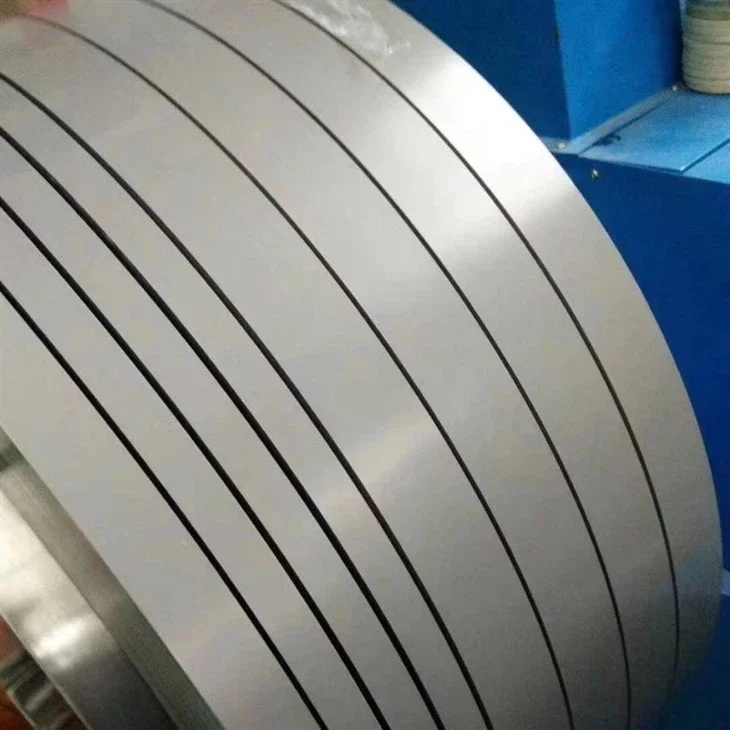
Silicon steel, also known as electrical steel, is an alloy of iron and silicon. The addition of silicon enhances the magnetic properties of the steel, making it ideal for use in electrical devices. The primary benefits of silicon steel include high magnetic permeability, low core loss, and excellent electrical resistance. These properties enable efficient energy conversion, reducing energy losses and improving overall performance.
Why Does the Grade of Silicon Steel Matter?
The grade of silicon steel significantly impacts the performance of electrical devices. Higher grades of silicon steel offer better magnetic properties, lower core losses, and higher efficiency. However, they are also more expensive. Understanding the different grades and their applications is crucial for selecting the right material for a specific task.
Common Questions About Silicon Steel Grades
1. What are the Different Grades of Silicon Steel?
Silicon steel grades are typically categorized based on their silicon content and magnetic properties. Common grades include 50/50, 55/50, 60/50, and 65/50, where the numbers represent the silicon content in percent and the magnetic properties in kilogauss per ampere (kG/A). Higher numbers indicate better magnetic properties.
2. How Does Silicon Content Affect Performance?
The silicon content in silicon steel enhances its magnetic permeability and reduces hysteresis losses. Higher silicon content generally leads to better performance but can also increase the material’s brittleness. Finding the right balance is key to optimizing performance without compromising durability.
3. What are the Applications of Different Silicon Steel Grades?
Different grades of silicon steel are suited for various applications. For instance, 50/50 grade is commonly used in transformers due to its balance of performance and cost. Higher grades like 60/50 and 65/50 are used in high-efficiency motors and generators where performance is critical.
4. How to Select the Right Silicon Steel Grade?
Selecting the right silicon steel grade depends on several factors, including the specific requirements of the electrical device, cost considerations, and environmental conditions. It is essential to conduct thorough testing and analysis to determine the most suitable grade for the application.
Kesimpulan
Optimizing the performance of electrical devices requires careful selection of materials, particularly silicon steel. By understanding the different grades and their properties, engineers and manufacturers can make informed decisions that lead to more efficient, cost-effective, and durable electrical equipment. As technology advances, the demand for high-performance silicon steel grades will continue to grow, making it an area of ongoing research and development.






 English
  Japanese
  Korean
  French
  German
  Spanish
  Portuguese
  Russian
  Arabic
  Italian
  Turkish
  Dutch
Dutch  Polish
  Swedish
  Danish
  Norwegian
  Finnish
  Greek
Greek  Hungarian
  Czech
Czech  Romanian
  Bulgarian
  Slovenian
  Croatian
  Slovak
  Malay
Malay  Indonesian
  Thai
Thai  Vietnamese
  Myanmar
  Khmer
Khmer  Lao
Lao  Tagalog
  Hindi
Hindi  Bengali
  Urdu
Urdu  Nepali
  Sinhala
  Hebrew
  Ukrainian
  Serbian
  Icelandic
  Swahili