

Detailed Explanation of the Basic Definition and Material Structure of Tinplate
Tinplate, a crucial material in modern manufacturing, is an alloy composed primarily of tin and steel. This combination leverages the corrosion-resistant properties of tin with the strength of steel, creating a material that is both durable and versatile.
The basic definition of tinplate revolves around its composition and the specific characteristics it exhibits due to this blend. Tinplate is typically produced through a process called hot-dip coating, where a thin layer of tin is applied to a steel sheet. This process ensures that the surface of the steel is completely covered, preventing rust and corrosion while maintaining the structural integrity of the steel substrate. The thickness of the tin layer can vary depending on the intended use, but it is generally in the range of 0.001 to 0.006 inches. This thin layer of tin not only provides protection against environmental factors but also enhances the material’s suitability for various applications, including food packaging, automotive components, and electrical appliances.
The material structure of tinplate is characterized by its dual-layer composition. The steel core provides the necessary strength and rigidity, while the tin surface offers a smooth, non-reactive surface that is ideal for printing and coating. This structure makes tinplate highly suitable for applications where both mechanical strength and surface finish are important. In the context of food packaging, the non-toxic nature of tin ensures that it is safe for direct contact with food products. The surface of tinplate can be further treated to enhance its properties, such as through the application of lacquers or varnishes. These treatments provide additional protection against moisture and chemicals, extending the shelf life of packaged products. The production process of tinplate involves several key steps. Initially, the steel sheet is cleaned and prepared to ensure that the surface is free from any contaminants that could affect the adhesion of the tin layer.
Once the steel is prepared, it is submerged in a molten tin bath, where the tin coats the entire surface. The thickness of the tin layer is carefully controlled during this process to meet the specific requirements of the intended application. After the hot-dip coating, the tinplate is subjected to a series of finishing processes. These processes include leveling, cutting, and bending, which refine the material to the desired shape and size. The final product is then inspected for quality assurance, ensuring that it meets the necessary standards for its intended use. Tinplate finds extensive use in the food and beverage industry, particularly for the packaging of canned goods.
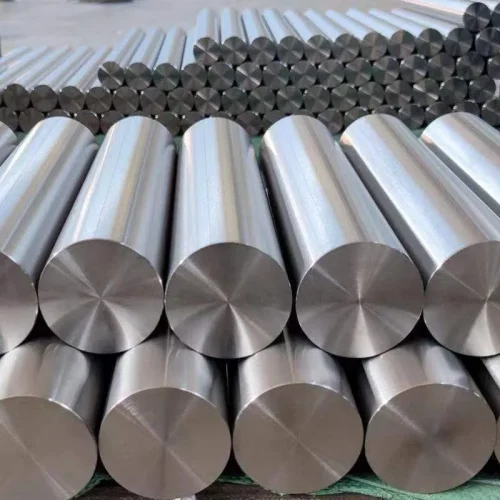
The corrosion-resistant properties of tin ensure that the contents remain fresh and uncontaminated over long periods. Additionally, the ability to print on tinplate makes it an attractive option for branding and labeling purposes. In the automotive industry, tinplate is used for the production of various components, including fuses and capacitors. The material’s electrical conductivity and corrosion resistance make it ideal for these applications. Furthermore, tinplate is used in the manufacture of electrical appliances, where its combination of strength and lightweight properties is beneficial. The material’s ability to be shaped and formed into complex designs also makes it a preferred choice for decorative applications. Environmental considerations play a significant role in the production and use of tinplate. Tin is a highly recyclable material, and the recycling process for tinplate is both efficient and cost-effective. This sustainability aspect makes tinplate an environmentally friendly option for various industrial applications.
In conclusion, tinplate is a versatile material that combines the best properties of tin and steel. Its unique composition and structure make it suitable for a wide range of applications, from food packaging to automotive components. The production process of tinplate ensures that the material meets the highest standards of quality and performance, while its recyclability contributes to its environmental sustainability. As industries continue to seek durable and versatile materials, tinplate remains a reliable and effective choice. The continued innovation in tinplate production and application further underscores its importance in modern manufacturing and beyond.






 English
  Japanese
  Korean
  French
  German
  Spanish
  Portuguese
  Russian
  Arabic
  Italian
  Turkish
  Dutch
Dutch  Polish
  Swedish
  Danish
  Norwegian
  Finnish
  Greek
Greek  Hungarian
  Czech
Czech  Romanian
  Bulgarian
  Slovenian
  Croatian
  Slovak
  Malay
Malay  Indonesian
  Thai
Thai  Vietnamese
  Myanmar
  Khmer
Khmer  Lao
Lao  Tagalog
  Hindi
Hindi  Bengali
  Urdu
Urdu  Nepali
  Sinhala
  Hebrew
  Ukrainian
  Serbian
  Icelandic
  Swahili