
What is the maximum coil width available for grain-oriented electrical steel?
Understanding Coil Width for Grain-Oriented Electrical Steel
Grain-oriented electrical steel plays a vital role in modern energy systems. It powers transformers, motors, and other electromagnetic devices. Engineers often ask about the maximum coil width available. This question matters for design and procurement. The answer depends on several production factors. Therefore, a clear explanation helps technical teams plan better.
What Determines the Maximum Coil Width?
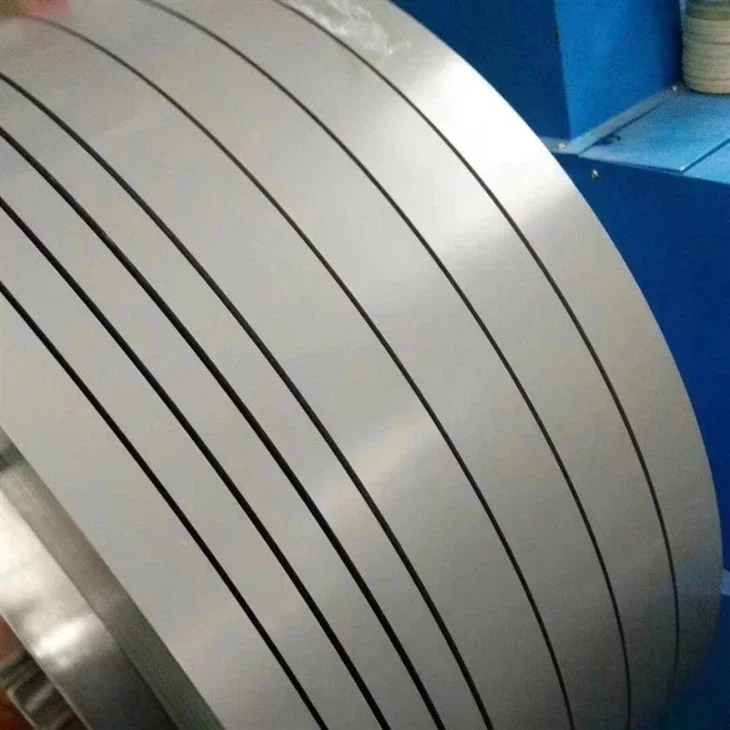
Production equipment sets the primary limit for coil width. Most global steel mills use cold rolling lines with specific width capacities. Typically, the maximum coil width for grain-oriented electrical steel ranges from 1,200 mm to 1,500 mm. Some advanced producers can reach 1,650 mm. However, wider coils require specialized processing. Thus, not every supplier offers the same maximum. For standard transformer cores, widths between 900 mm and 1,200 mm are common. Higher widths reduce the number of cuts needed. Consequently, they improve material efficiency and lower waste.
Why Does Coil Width Matter for Your Application?
Coil width directly affects manufacturing costs and design flexibility. In transformer production, wider coils mean fewer joints and less labor. For industrial motors, wider steel allows larger stator and rotor laminations. This benefit reduces assembly time and improves magnetic performance. Additionally, procurement managers value wider coils for bulk orders. They lower handling costs and simplify inventory. However, engineers must balance width with available processing tools. Not all cutting and punching machines handle very wide coils. Therefore, always match coil width to your existing equipment.
Regional and Supplier Variations
Maximum coil width varies by region and manufacturer. Japanese and European mills often lead in wide coil technology. They produce grain-oriented electrical steel up to 1,500 mm or slightly more. North American suppliers typically offer 1,200 mm to 1,400 mm. Chinese producers have expanded their capacity in recent years. Some now provide widths up to 1,500 mm. For EPC contractors and system integrators, these differences affect project planning. Shipping and storage also limit practical coil width. A wider coil may need special handling equipment. Hence, confirm supplier capabilities before finalizing specifications.
How to Specify the Right Coil Width
Start by reviewing your final product dimensions. For transformer cores, calculate the required lamination width. Then add a small margin for trimming. For motors, consider the stator outer diameter. This step determines the minimum coil width you need. Next, check your punching or slitting line capacity. If your equipment limits width, choose a coil that fits. Otherwise, you may need to invest in new tooling. Finally, discuss with your steel supplier about available widths. They can advise on standard sizes and lead times. This approach avoids costly redesigns later.
Practical Limits and Future Trends
The maximum coil width for grain-oriented electrical steel will likely grow. New rolling technologies continue to emerge. Some mills now test widths beyond 1,650 mm. Yet, wider coils bring challenges. They require precise tension control and flatness. Poor handling can damage the sensitive grain orientation. Therefore, producers invest in advanced automation. For buyers, wider coils offer economies of scale. But they also demand better logistics. As a result, the optimal width depends on your total system. Always prioritize total cost and quality over sheer width.
Conclusion: Key Takeaways for Technical Buyers
In summary, the maximum coil width for grain-oriented electrical steel usually falls between 1,200 mm and 1,500 mm. Some premium suppliers reach 1,650 mm. Your choice should match your design, equipment, and supply chain. Engineers and procurement teams must work together. They should verify supplier capabilities early. By doing so, they reduce waste and improve production efficiency. For transformers, motors, and electromagnetic devices, the right coil width delivers real value. Always confirm current availability with your steel provider. This simple step prevents delays and keeps projects on track.





 English
  Japanese
  Korean
  French
  German
  Spanish
  Portuguese
  Russian
  Arabic
  Italian
  Turkish
  Dutch
Dutch  Polish
  Swedish
  Danish
  Norwegian
  Finnish
  Greek
Greek  Hungarian
  Czech
Czech  Romanian
  Bulgarian
  Slovenian
  Croatian
  Slovak
  Malay
Malay  Indonesian
  Thai
Thai  Vietnamese
  Myanmar
  Khmer
Khmer  Lao
Lao  Tagalog
  Hindi
Hindi  Bengali
  Urdu
Urdu  Nepali
  Sinhala
  Hebrew
  Ukrainian
  Serbian
  Icelandic
  Swahili