
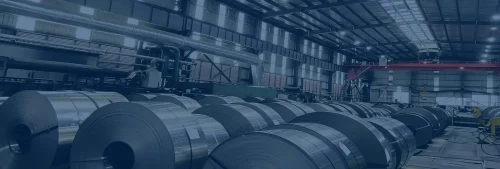
Future development trends of transformer steel: thinner gauge, lower core loss and higher magnetic induction
Introduction
The power industry keeps asking for more from transformer steel. New demands focus on three clear goals. These are thinner gauge, lower core loss, and higher magnetic induction. Each goal supports better energy efficiency. Together, they shape the future of electrical steel. Manufacturers and grid operators watch this trend closely. This article explains what drives these changes and why they matter.
Why Thinner Gauge Matters
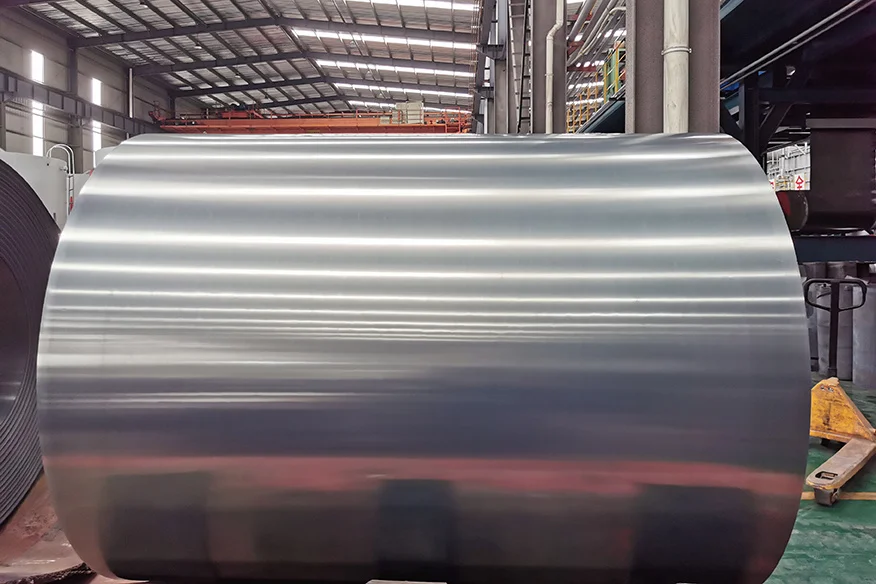
Thinner steel reduces eddy current losses. Eddy currents waste energy as heat. A thinner sheet limits their path. As a result, more power reaches the grid. For example, moving from 0.35 mm to 0.20 mm helps a lot. Yet, thinner gauge brings production challenges. The steel must stay flat and strong. It must also resist bending during winding. Therefore, mills invest in better rolling and coating lines. This step improves transformer steel performance without raising cost too much.
Lower Core Loss for Energy Savings
Core loss includes hysteresis and eddy losses. Lower core loss means less wasted electricity. Utilities save money over decades of use. In addition, lower loss supports climate goals. Governments now set strict efficiency rules. For instance, the EU Ecodesign rules push for better magnetic materials. To meet these rules, steel makers add silicon and control impurities. They also use domain refinement methods. These steps cut core loss by ten to twenty percent. Consequently, transformer steel becomes more valuable to buyers.
Higher Magnetic Induction for Smaller Cores
Higher magnetic induction allows a smaller core. A smaller core uses less steel and copper. It also lowers weight and volume. This benefit matters for crowded urban substations. It also helps renewable energy projects. Wind and solar farms need compact transformers. To raise induction, producers align crystal grains. They also reduce carbon and nitrogen levels. As a result, the steel carries more flux per unit area. This change lets engineers design lighter, cheaper units. At the same time, higher induction must not raise core loss. So, a balance is key.
Combining All Three Goals
Thinner gauge, lower core loss, and higher induction work together. But they can conflict. For example, very thin steel may have higher hysteresis loss. Higher induction may increase eddy currents. Thus, steel makers use advanced coatings. They also use laser scribing and precise annealing. These methods keep losses low while boosting induction. In addition, buyers now ask for full property data. They want proof that all three goals are met. This demand drives innovation in transformer steel production.
Market and Environmental Impact
The global push for clean energy speeds up these trends. Electric vehicles and data centers need efficient transformers. So, demand for high-grade transformer steel grows. At the same time, raw material costs rise. Producers must reduce waste and energy use. Lower core loss directly cuts carbon emissions. Higher magnetic induction reduces material use. Thinner gauge saves shipping weight. Therefore, these trends support both business and environmental goals. Utilities and regulators see this win-win result.
Conclusion
The future of transformer steel points to thinner gauge, lower core loss, and higher magnetic induction. Each feature improves efficiency and reduces cost. Together, they help meet strict energy rules. They also support smaller, lighter transformer designs. Steel makers and transformer builders must work closely. By doing so, they can deliver reliable, green power for decades. This path offers clear value for industry and society.





 English
  Japanese
  Korean
  French
  German
  Spanish
  Portuguese
  Russian
  Arabic
  Italian
  Turkish
  Dutch
Dutch  Polish
  Swedish
  Danish
  Norwegian
  Finnish
  Greek
Greek  Hungarian
  Czech
Czech  Romanian
  Bulgarian
  Slovenian
  Croatian
  Slovak
  Malay
Malay  Indonesian
  Thai
Thai  Vietnamese
  Myanmar
  Khmer
Khmer  Lao
Lao  Tagalog
  Hindi
Hindi  Bengali
  Urdu
Urdu  Nepali
  Sinhala
  Hebrew
  Ukrainian
  Serbian
  Icelandic
  Swahili