
What magnetic properties should I check before buying grain-oriented silicon steel?
Introduction
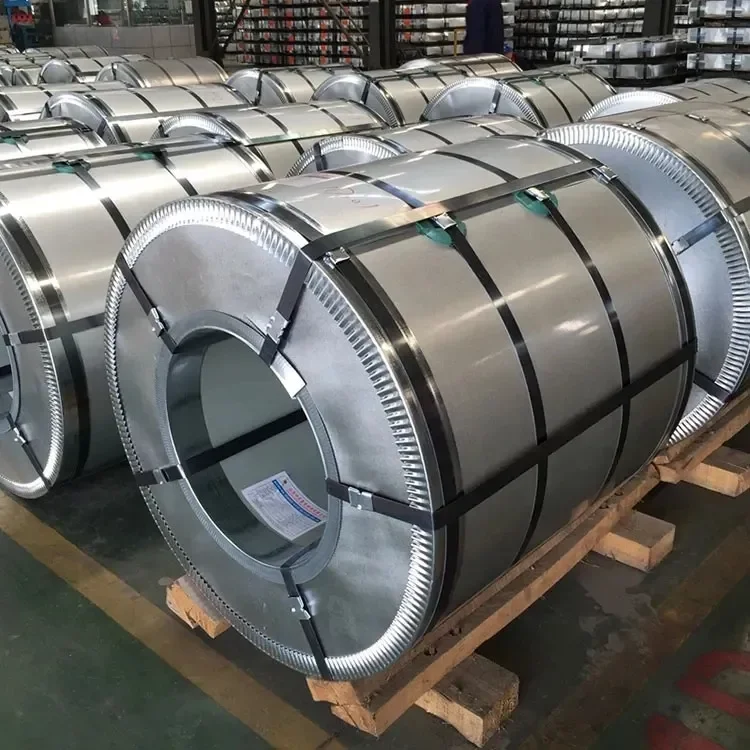
Buying grain-oriented acero al silicio requires careful attention to magnetic properties. These properties directly affect transformer efficiency and energy loss. Engineers and procurement teams must evaluate several key factors. This article explains what to check before making a purchase. It covers core loss, permeability, induction, and coating effects. Each point helps you avoid costly mistakes.
Core Loss Matters Most
Core loss represents energy wasted as heat. You should always request specific loss data at a given frequency and induction. Typically, manufacturers report loss in watts per kilogram. Lower values mean better efficiency. For power transformers, check loss at 50 Hz or 60 Hz. Also verify loss at 1.7 T or 1.5 T. A small difference in loss can add up over years of operation. Therefore, compare loss curves across suppliers.
Magnetic Permeability and Induction
High permeability allows easy magnetization. This property reduces exciting current. Ask for permeability values at low and high induction levels. Also check the saturation induction. Grain-oriented steel usually reaches 2.0 T or slightly higher. However, actual values depend on processing and thickness. A lower saturation point may limit design flexibility. Thus, always confirm these numbers with test certificates.
Coating and Stress Effects
Surface coating influences magnetic behavior. Insulative coatings reduce eddy currents. But they also add stress that can raise core loss. You should ask about coating type and thickness. Some coatings tolerate high temperatures better than others. Additionally, stress relief annealing may change properties. Verify whether the supplier provides annealed or unannealed material. This choice affects final performance after cutting and stacking.
Frequency and Temperature Dependence
Magnetic properties change with frequency. At higher frequencies, core loss increases quickly. So, specify your operating frequency range. Temperature also plays a role. Loss typically rises as temperature increases. For outdoor transformers, check properties at expected ambient conditions. Request temperature-dependent loss data if available. This step ensures reliable performance in real-world use.
Test Standards and Certificates
Always demand test reports from recognized standards. ASTM A343 or IEC 60404-2 are common references. These tests measure loss and permeability under controlled conditions. A certificate of conformity adds confidence. Without proper testing, you cannot compare suppliers fairly. Also, ask about sampling methods. Magnetic properties vary slightly across a coil. Proper sampling reveals true quality.
Thickness and Mechanical Factors
Thickness affects core loss and stacking factor. Thinner steel reduces eddy currents but costs more. Common thicknesses range from 0.23 mm to 0.35 mm. You must balance cost against efficiency goals. Mechanical properties like hardness also matter. Hard steel may crack during cutting. Cracks increase loss and reduce performance. Therefore, review both magnetic and mechanical data.
Conclusión
Checking magnetic properties before buying grain-oriented acero al silicio saves money and energy. Focus on core loss, permeability, induction, and coating. Verify frequency and temperature behavior. Rely on certified test results. By following these steps, you select the right material for your transformer. This approach ensures long-term reliability and business value.





 English
  Japanese
  Korean
  French
  German
  Spanish
  Portuguese
  Russian
  Arabic
  Italian
  Turkish
  Dutch
Dutch  Polish
  Swedish
  Danish
  Norwegian
  Finnish
  Greek
Greek  Hungarian
  Czech
Czech  Romanian
  Bulgarian
  Slovenian
  Croatian
  Slovak
  Malay
Malay  Indonesian
  Thai
Thai  Vietnamese
  Myanmar
  Khmer
Khmer  Lao
Lao  Tagalog
  Hindi
Hindi  Bengali
  Urdu
Urdu  Nepali
  Sinhala
  Hebrew
  Ukrainian
  Serbian
  Icelandic
  Swahili