
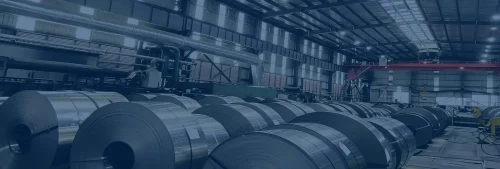
Effortless Burr-Free Machining: Revolutionizing Thin Silicon Steel Sheet Fabrication with Innovative Solutions
Burr-Free Machining for Thin Siliciumstål Sheets: Challenges & Modern Precision Solutions
Meta description: Learn the key challenges of machining thin siliciumstål sheets, plus CNC, EDM and cooling technologies to achieve burr-free cuts for transformers and electrical machines.
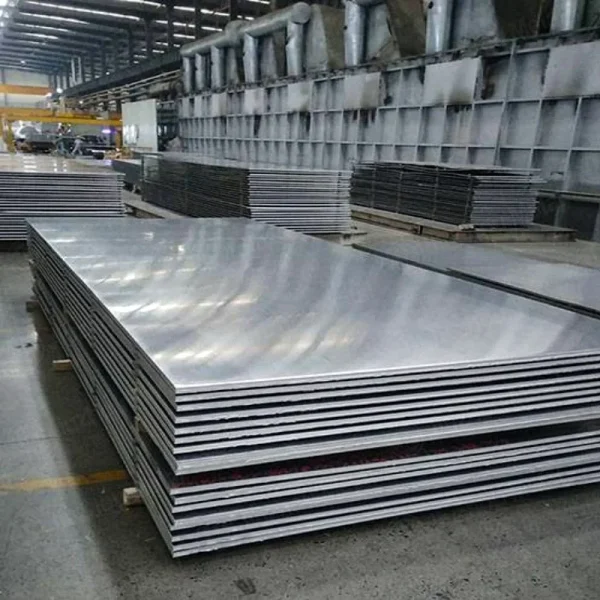
In industrial manufacturing, burr-free machining remains one of the most persistent technical challenges for engineers and fabricators, especially when processing ultra-thin siliciumstål sheets. Silicon steel (also known as electrical steel) is an essential core material for electrical motors, transformers and power components, where tight dimensional accuracy and clean cutting edges directly impact equipment performance and energy efficiency. Manufacturers have long sought reliable, cost-effective ways to eliminate burrs during silicon steel sheet processing, and today’s advanced machining innovations are reshaping production standards across the electrical industry.
Common Machining Difficulties for Thin Silicon Steel Sheets
Machining thin silicon steel laminations comes with two primary pain points: burr formation and material damage.
Burrs formed during cutting compromise part quality, magnetic performance and assembly fit, often requiring extra deburring work that adds lead time and manufacturing expense. Because silicon steel sheets are extremely thin and fragile, they easily bend, tear or deform under cutting forces. Material damage increases scrap rates and drives up overall production costs. Resolving these issues is critical to streamlining silicon steel machining workflows.
Advanced Cutting Tools & CNC Machining for Burr-Free Silicon Steel Processing
Custom-engineered cutting tools and optimized machining techniques are the foundation of high-quality thin silicon steel cutting. These specialty tools minimize burr generation while maintaining micron-level precision for thin electrical steel.
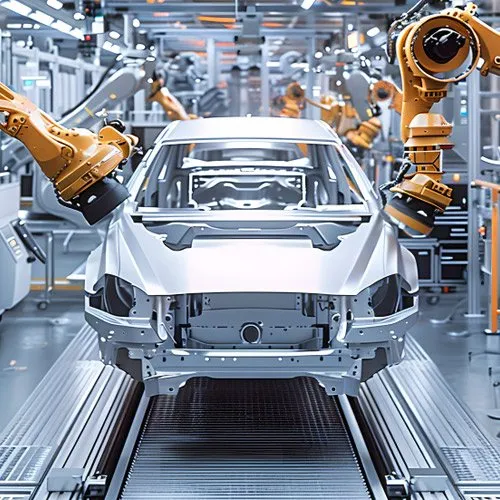
CNC machining has become widely adopted for silicon steel sheet fabrication to deliver repeatable, accurate results. CNC systems offer full digital control over cutting paths, feed rates and depth of cut, reducing human error and ensuring every silicon steel lamination matches required specifications. This level of control is indispensable for delicate thin silicon steel, where even minor deviations ruin finished parts.
Paired with CNC setups, modern cooling systems prevent sheet warping and thermal deformation during cutting. Mist cooling and high-pressure coolant jets quickly remove cutting heat generated at the tool-workpiece interface. Heat dissipation protects thin silicon steel from thermal distortion, extends cutting tool service life, and keeps the machining process stable, consistent and productive.
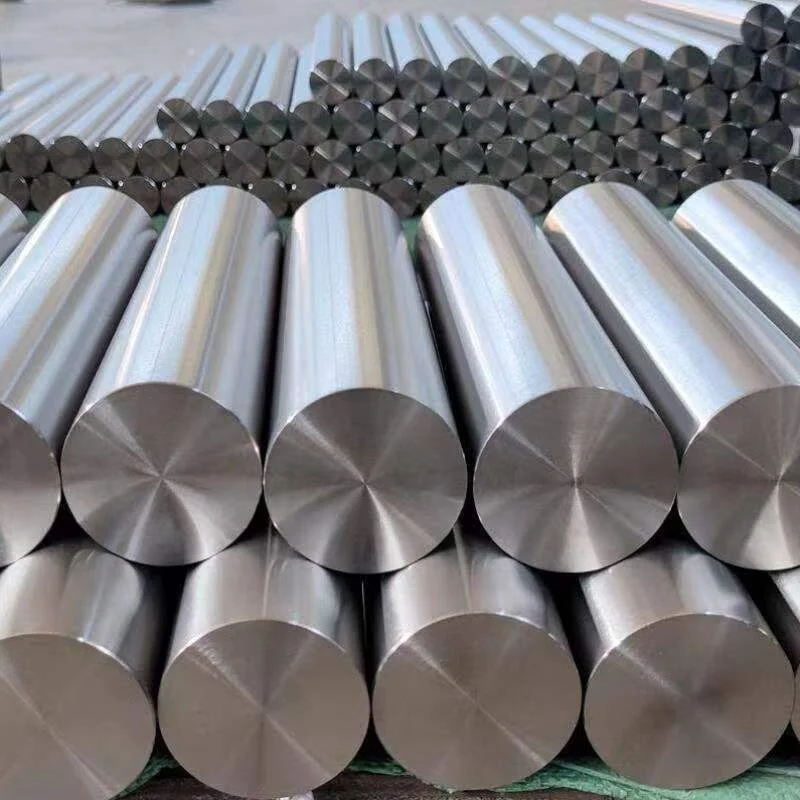
EDM Precision Cutting for Complex Silicon Steel Profiles
Electrical Discharge Machining (EDM) is another major advancement in burr-free precision machining. EDM excels for intricate geometries and complex lamination shapes that conventional mechanical cutting struggles to produce.
Since EDM works via electrical spark erosion with no physical contact between tool and workpiece, it drastically reduces the risk of scratching or tearing fragile thin silicon steel sheets. While EDM delivers exceptional edge quality and precision, it has practical limitations for mass production. EDM machining speeds are slower than CNC cutting, and operational costs tend to be higher. For this reason, manufacturers typically reserve EDM for low-volume, high-precision custom silicon steel components where tight tolerances justify higher investment. Ongoing EDM R&D continues to improve cutting speed and affordability, broadening its usable applications.
How Manufacturers Select the Best Silicon Steel Machining Technology
Choosing the optimal burr-free machining method depends on multiple production variables: silicon steel sheet thickness, part design complexity, required tolerance and total production volume.
A thorough evaluation of these factors helps production teams balance cost, speed and finished part quality. Consulting with precision machining specialists also helps avoid costly trial-and-error and match the process to your specific silicon steel lamination requirements.
R&D Drives Continuous Improvements in Burr-Free Machining
Research and development is the backbone of progress in silicon steel machining technology. R&D teams test new tool materials, refine existing cutting processes and invent new techniques to suppress burrs and reduce sheet deformation. Joint collaboration between manufacturers, universities and research institutes accelerates breakthroughs in precision electrical steel processing.
Stay Updated on Burr-Free Machining Innovations
Keeping up with new machining technology helps electrical component manufacturers stay competitive. Industry conferences, technical workshops and specialized engineering publications are reliable channels to follow the latest developments in silicon steel sheet machining. Networking with peers and technical experts also unlocks knowledge sharing and potential collaborative projects.
Konklusion
Burr-free machining of thin silicon steel sheets is now achievable thanks to modern CNC cutting, optimized cooling solutions and EDM precision processes. These technologies boost cutting precision, lower scrap and improve cost efficiency for transformer and motor lamination production. As machining innovation continues, manufacturers will access even more capable, scalable burr-free solutions for electrical steel applications in the future.







 English
  Japanese
  Korean
  French
  German
  Spanish
  Portuguese
  Russian
  Arabic
  Italian
  Turkish
  Dutch
Dutch  Polish
  Swedish
  Danish
  Norwegian
  Finnish
  Greek
Greek  Hungarian
  Czech
Czech  Romanian
  Bulgarian
  Slovenian
  Croatian
  Slovak
  Malay
Malay  Indonesian
  Thai
Thai  Vietnamese
  Myanmar
  Khmer
Khmer  Lao
Lao  Tagalog
  Hindi
Hindi  Bengali
  Urdu
Urdu  Nepali
  Sinhala
  Hebrew
  Ukrainian
  Serbian
  Icelandic
  Swahili