
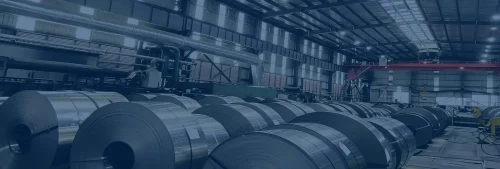
Can transformer steel be attracted by magnets
Can transformer steel be attracted by magnets? This question matters for engineers and buyers. Transformer steel plays a key role in electrical devices. Its magnetic behavior affects performance. However, the answer depends on several physical factors. This article explains those factors clearly. It also covers practical effects for industry use.
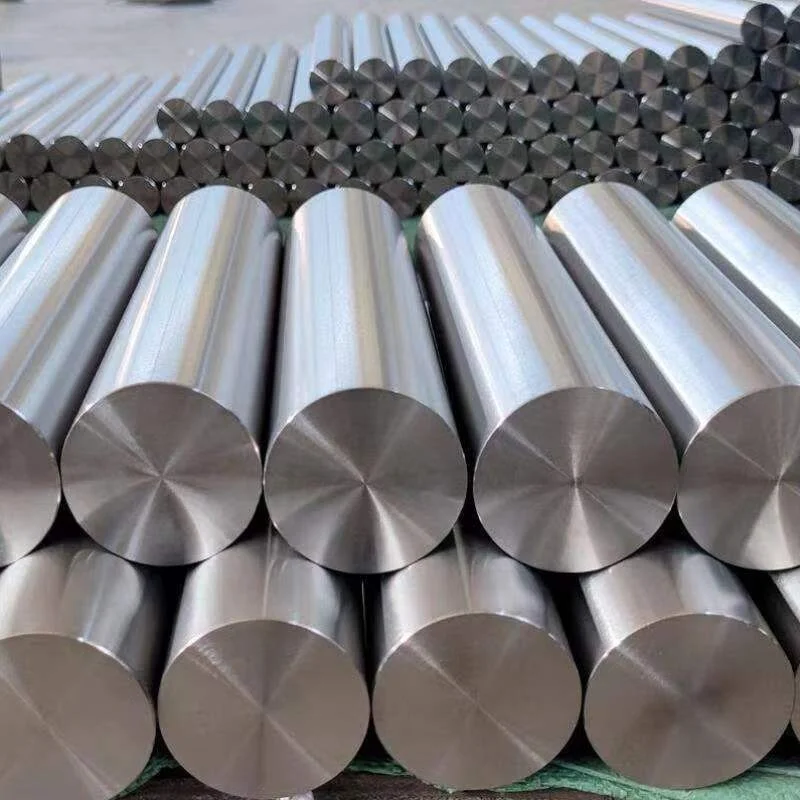
What Is Transformer Steel?
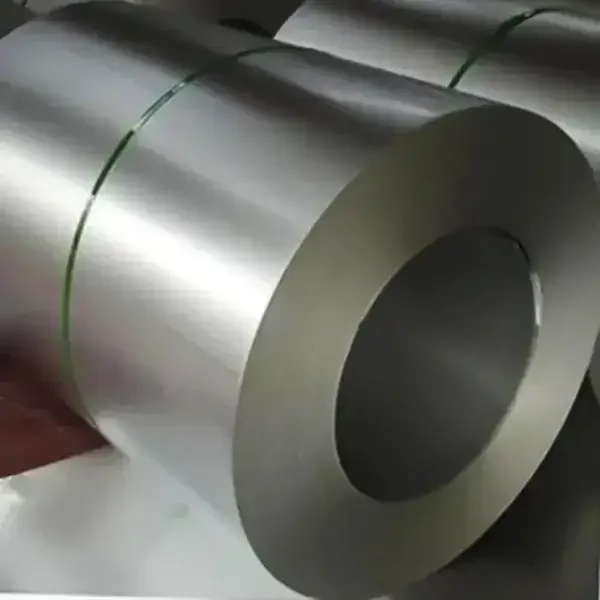
Transformer steel is also called electrical steel. It contains iron with added silicon. This silicon content usually ranges from one to four percent. The material comes in thin sheets. Those sheets stack into magnetic cores. Manufacturers use it in transformers and motors. The goal is to guide magnetic fields well. This steel has low core loss. That means it wastes less energy as heat. Yet its magnetic response is not simple. Pure iron attracts magnets strongly. Silicon changes that behavior in useful ways.
Magnetic Attraction Versus Magnetic Conduction
People often confuse two different properties. One is attraction to a permanent magnet. The other is the ability to carry magnetic flux. Transformer steel excels at the second property. It provides a low resistance path for magnetic lines. That path is called magnetic reluctance. Low reluctance means strong flux conduction. However, attraction to a nearby magnet is different. Attraction depends on how easily the material becomes magnetized. This property is called magnetic permeability. High permeability usually means stronger attraction. Transformer steel has high permeability in one direction. But its silicon content reduces overall saturation. So the steel still attracts magnets, but less than pure iron.
The Role of Silicon Content
Silicon adds electrical resistance to the steel. This resistance reduces unwanted current loops. Those loops are called eddy currents. Lower eddy currents mean less energy loss. At the same time, silicon lowers magnetic saturation. Saturation is the maximum magnetic strength. When saturated, the steel cannot carry more flux. As a result, a permanent magnet pulls on transformer steel with moderate force. That force is weaker than on soft iron. Yet it is still noticeable. For most practical purposes, a magnet will stick to transformer steel. The attraction is real but not extremely strong.
Grain Orientation and Magnetic Behavior
Transformer steel often has a grain oriented structure. Grains align in the rolling direction. This alignment improves magnetic properties along that axis. In that direction, permeability is very high. So a magnet attracts the steel more strongly. In the cross direction, permeability drops. Attraction becomes weaker there. This directional effect matters in real applications. Engineers design cores to use the best direction. They also know that external magnets can interfere. Such interference may cause slight vibrations. But it rarely damages the core. Overall, grain orientation shapes how the steel responds to magnets.
Practical Implications for Industry
In power transformers, magnetic attraction is not the main concern. The core handles alternating magnetic fields. Those fields reverse many times per second. Permanent magnets are not part of normal operation. However, during maintenance or testing, magnets may come near the core. Workers should know that transformer steel will attract them. This attraction can pull small tools or debris. That debris may harm insulation or windings. So cleanliness matters around exposed cores. Also, strong magnets can temporarily magnetize the steel. That leftover magnetism may add slight losses. Usually, the effect is small and reversible.
Comparing Transformer Steel to Other Materials
Soft iron attracts magnets more strongly than transformer steel. That is because soft iron has higher saturation. But soft iron also has higher eddy current losses. So it suits different uses. Stainless steel often shows weak attraction. Some stainless grades are almost nonmagnetic. Transformer steel sits in the middle. It attracts magnets clearly but not powerfully. This balance comes from its silicon alloy. Engineers choose it for efficiency, not for holding magnets. Therefore, the attraction question has a nuanced answer. Yes, magnets attract transformer steel, but the force is moderate and direction dependent.
Conclusion and Value Summary
Transformer steel can be attracted by magnets. The attraction is real but usually moderate. Silicon content and grain orientation both reduce or redirect that force. The steel’s main purpose is guiding magnetic flux, not sticking to magnets. For industry, this means a magnet may hold small parts during repair. It also means workers must avoid loose metal debris. Understanding this behavior helps prevent small efficiency losses. It also supports safer maintenance practices. In short, transformer steel responds to magnets in a controlled, predictable way. That response reflects its carefully designed internal structure. Buyers and engineers should consider it during specification and service. Doing so leads to better performance and longer equipment life.





 English
  Japanese
  Korean
  French
  German
  Spanish
  Portuguese
  Russian
  Arabic
  Italian
  Turkish
  Dutch
Dutch  Polish
  Swedish
  Danish
  Norwegian
  Finnish
  Greek
Greek  Hungarian
  Czech
Czech  Romanian
  Bulgarian
  Slovenian
  Croatian
  Slovak
  Malay
Malay  Indonesian
  Thai
Thai  Vietnamese
  Myanmar
  Khmer
Khmer  Lao
Lao  Tagalog
  Hindi
Hindi  Bengali
  Urdu
Urdu  Nepali
  Sinhala
  Hebrew
  Ukrainian
  Serbian
  Icelandic
  Swahili