
Which type of steel is adopted for distribution transformers, power transformers and rectifier transformers respectively
Introduction
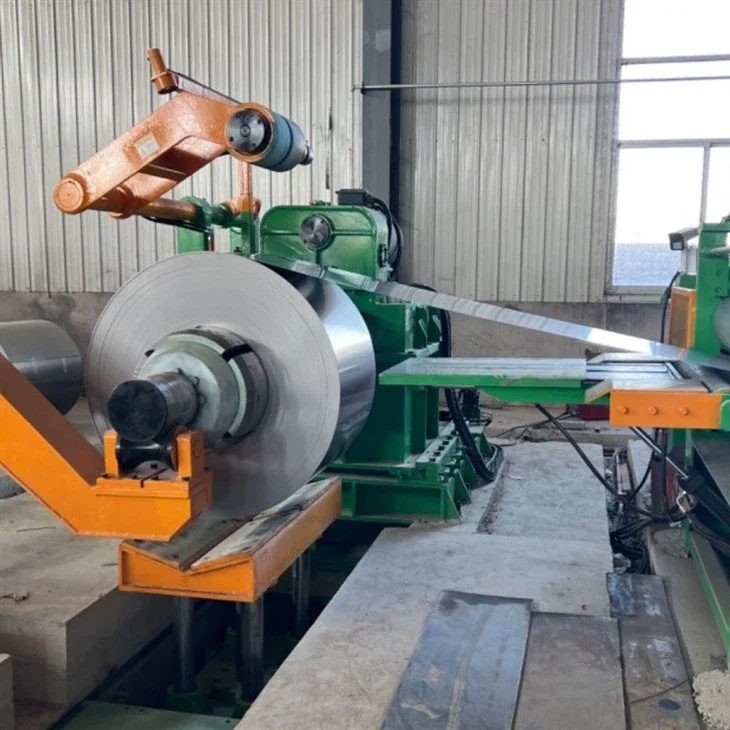
Steel selection plays a critical role in transformer design. Different transformer types demand specific steel grades. These choices affect efficiency, cost, and reliability. Distribution transformers, power transformers, and rectifier transformers each have unique needs. This article explains which steel type suits each application. It also highlights why those choices matter for performance and longevity.
Steel for Distribution Transformers
Distribution transformers typically use grain-oriented সিলিকন ইস্পাত. This material contains about 3% silicon. It offers low core loss under normal operating conditions. Manufacturers often choose cold-rolled grain-oriented steel. This steel has a preferred grain direction. It reduces hysteresis and eddy current losses. As a result, energy efficiency improves. These transformers run continuously at moderate flux levels. Thus, grain-oriented সিলিকন ইস্পাত remains the standard choice. It balances cost and performance well. For many utilities, this steel is the most practical option.
Steel for Power Transformers
Power transformers also rely on grain-oriented সিলিকন ইস্পাত. However, the grade is usually higher. These units operate at higher voltages and larger capacities. Core losses become more significant. So, premium grades with very low loss are common. Some designs use laser-scribed or domain-refined steel. These advanced types further reduce core loss. They also handle high flux densities without saturation. In addition, the steel must withstand mechanical stress. Winding and clamping forces are strong in large power transformers. Therefore, high-quality grain-oriented steel is essential. It ensures stable performance over decades of service.
Steel for Rectifier Transformers
Rectifier transformers face a different challenge. They carry harmonic currents and DC components. These conditions can cause core saturation. Standard grain-oriented steel may not perform well here. Instead, designers often use non-oriented silicon steel. This steel has isotropic magnetic properties. It handles multi-directional flux better. Some rectifier transformers use special grades with higher silicon content. Others adopt amorphous steel for very low loss. However, amorphous steel is more expensive and harder to cut. For many industrial rectifier applications, non-oriented silicon steel provides a good balance. It resists saturation and reduces overheating risks.
Why These Choices Matter
Each steel type affects transformer behavior. Grain-oriented steel minimizes loss in AC applications. Non-oriented steel suits irregular flux patterns. Rectifier transformers need this flexibility. Power transformers need extreme efficiency. Distribution transformers need cost-effective reliability. Choosing the wrong steel can lead to higher losses. It can also cause premature failure. Therefore, engineers match steel properties to operational demands. This practice extends equipment life. It also lowers total ownership cost.
উপসংহার
Steel selection for transformers is not one-size-fits-all. Distribution transformers commonly use grain-oriented silicon steel. Power transformers use premium grain-oriented grades. Rectifier transformers often adopt non-oriented silicon steel or specialty alloys. These choices reflect each transformer’s electrical and thermal environment. By understanding these differences, buyers and engineers can make better decisions. The right steel ensures efficient, durable, and cost-effective transformer operation.





 English
  Japanese
  Korean
  French
  German
  Spanish
  Portuguese
  Russian
  Arabic
  Italian
  Turkish
  Dutch
Dutch  Polish
  Swedish
  Danish
  Norwegian
  Finnish
  Greek
Greek  Hungarian
  Czech
Czech  Romanian
  Bulgarian
  Slovenian
  Croatian
  Slovak
  Malay
Malay  Indonesian
  Thai
Thai  Vietnamese
  Myanmar
  Khmer
Khmer  Lao
Lao  Tagalog
  Hindi
Hindi  Bengali
  Urdu
Urdu  Nepali
  Sinhala
  Hebrew
  Ukrainian
  Serbian
  Icelandic
  Swahili