

Hygienic Performance of Tinplate in Food Cans: An Explanation
Tinplate food safety comes from a layered barrier, not just the tin itself. The steel gives strength. The tin gives corrosion resistance. The internal lacquer gives chemical protection. Consequently, each layer serves a different hygienic purpose. Here is how the system works from outside to inside.
Layer 1: Steel Substrate—Structural Strength
The low-carbon steel body provides rigidity. It withstands retort temperatures (121°C) and internal pressure. Furthermore, it keeps the can shape during stacking and transport. However, steel alone rusts on contact with food. Therefore, it needs the tin layer.
Layer 2: Tin Coating—Corrosion Barrier
The tin layer (1.1–11.2 g/m² per side) is food-contact safe. Tin does not react with most foods. Furthermore, it forms a smooth, non-porous surface that cleans easily. Consequently, bacteria cannot harbor in surface pits. However, acidic foods dissolve tin slowly. Therefore, acidic products need internal lacquer.
Layer 3: Internal Lacquer—Chemical Barrier
For most food cans, the inside receives an epoxy phenolic or polyester lacquer. This is the real barrier against acidic and sulfurous foods. Furthermore, it prevents tin leaching into the food. Consequently, even tomato products stay safe for 2–5 years on the shelf.
Layer 4: Passivation—Surface Stability
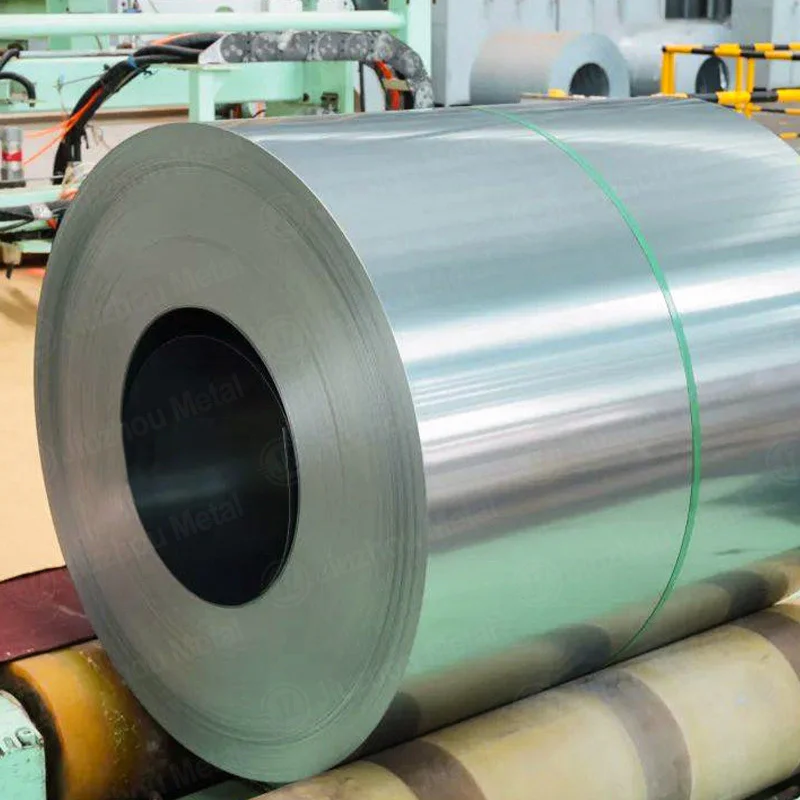
After tinning, the coil receives a chromate or chromate-free passivation. This nanometer film stabilizes the tin oxide. Consequently, the surface stays clean and non-reactive during storage. Without passivation, the tin oxidizes and discolors.
Layer 5: External Lacquer and Ink
The outside receives printed ink and a clear overvarnish. This protects the can from moisture and handling. Furthermore, it provides the retail appearance. Consequently, the can survives warehouse humidity without rusting from the outside.
Why Tinplate Supports Long Shelf Life
The combination of layers creates an oxygen-tight, light-blocking, corrosion-resistant package. Consequently, food stays safe without refrigeration for 2–5 years. Furthermore, the retort process (121°C steam sterilization) kills pathogens. The sealed can prevents recontamination.
Hygienic Metals We Supply Beyond Tinplate
For food and beverage equipment, we supply other food-contact materials:
- C11000 / T2 Copper Plate for brewing and heat exchanger equipment where copper is a traditional food-contact metal.
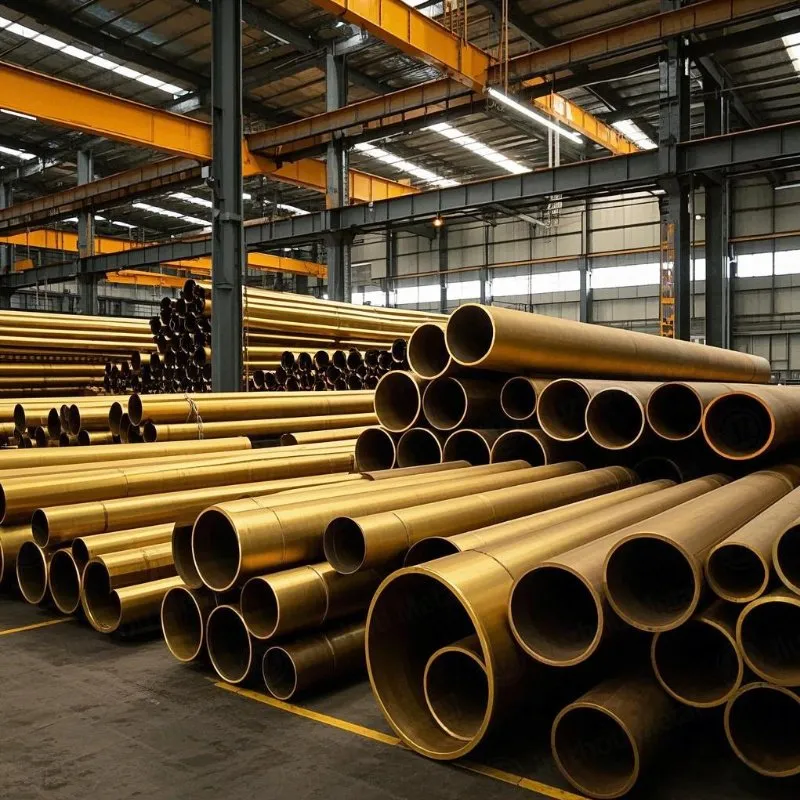
- C12200 / TP2 Copper Tube for refrigeration and dairy equipment.
Specify Food-Grade Tinplate
A complete order reads: “T3, 0.20 mm, 2.8/2.8 g/m², EU 1935/2004 compliant, BPA-NI internal lacquer, lead-free.” Leave out the food-contact standard and the mill ships general-purpose stock.
Get Food-Grade Material
Tell us your destination market and food type. We will confirm compliant stock and quote with test documentation.
- Email: vera.liang@ztwysteel.com
- Location: Xishan District, Wuxi, Jiangsu, China
- Supply range: tinplate substrates, copper food-contact plate/tube, nickel alloys
- Documentation: MTC + migration test report + heavy metal screening
- Compliance: EU 1935/2004, FDA 21 CFR, GB 4806
We reply within one working day.






 English