
Advantages and Disadvantages Comparison Between Amorphous Electrical Steel and Traditional Grain-Oriented Electrical Steel Applied for Transformer Cores
Amorphous electrical steel and traditional grain-oriented electrical steel are two mainstream transformer core materials. They have obvious differences in loss performance, cost and application adaptability.
Amorphous electrical steel has ultra-low no-load loss advantage. Its internal atomic structure is disordered without grain boundaries. Hysteresis loss is extremely low. Its energy-saving effect far exceeds conventional oriented steel.
It has prominent energy-saving advantages for long-term standby transformers. Power distribution transformers keep power-on all year round. Amorphous steel reduces standby energy consumption greatly. It brings long-term economic benefits.
However, amorphous electrical steel has obvious disadvantages in processing performance. It has high brittleness and low mechanical toughness. It is easy to crack during shearing and stacking. Its processing difficulty is much higher than oriented steel.
Amorphous steel also has higher manufacturing and maintenance costs. Raw material price and processing fee are expensive. Damaged amorphous cores are hard to repair and replace. The overall application cost remains high.
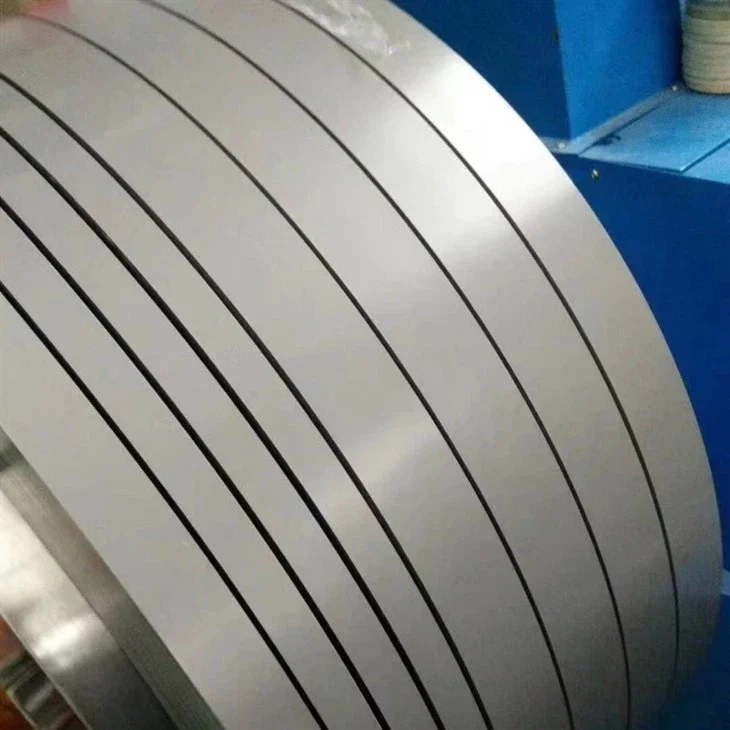
Traditional grain-oriented electrical steel has stable mechanical performance. It is easy to cut, stack and process. Its product consistency is high. Factory processing cost and failure rate are low.
Ordinary oriented steel has sufficient market maturity and supply stability. It suits mass production of ordinary transformers. Its cost performance is far better than amorphous steel in conventional scenarios.
But its low-loss limit is lower than amorphous steel. Oriented steel cannot reach the ultra-low loss level of amorphous materials. Its energy-saving upper limit is restricted.
In summary, amorphous steel suits ultra-high energy-saving scenarios with strict loss limits. Traditional oriented steel is more suitable for large-scale and cost-sensitive transformer projects.






 English