
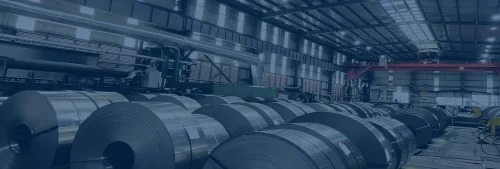
China’s Steel Self-Sufficiency Hits 100% with Optimized Product Structure
China crude steel production fell 4.4% to 961 million tons in 2025. Yet industry profit rose 1.4-fold to RMB 115.1 billion. Furthermore, manufacturing overtook construction as the largest steel consumer for the first time. Jiangsu Zhongtong Weiye Special Steel Co., Ltd. supplies special steel from Wuxi into that shifting mix. Here is what changed, and what it means at the order desk.
Dashboard: Six Numbers That Tell the Story
- Crude steel output: 961 Mt, −4.4% year on year.
- Total industry profit: RMB 115.1 bn, up 1.4 times.
- Main-business profit: RMB 44.5 bn, back from loss.
- Manufacturing share of demand: 51%, up from 42% in 2020.
- Construction share of demand: 49%, down from 58%.
- Top-10 concentration: CR10 at 43.1%, up 4.2 points since 2020.
Read together, these figures say one thing. Less steel, more value. Therefore, the old volume model is gone.
Self-Sufficiency at 100%, but the Mix Changed
The China Iron and Steel Association reports a self-sufficiency rate near 100%. That is a supply-side fact. The demand-side fact is more interesting.
In 2020, construction took 58% of Chinese steel. By 2025, it took 49%. Meanwhile, manufacturing climbed to 51%. Consequently, machinery, autos, shipbuilding, and appliances now carry the market.
Premium output grew alongside that shift. The industry launched nearly 20 globally new steel products in 2025 alone. Examples span high-speed rail wheelsets, gas turbine blade steel, and cruise ship plate. Of course, each of those needs certified, traceable material rather than commodity tonnage.
0.1 mm: The Ultra-Thin Race
One domestic producer released 0.1 mm electrical steel in August last year. Compared with mainstream 0.25 mm sheet, iron loss drops more than 30%. Subsequently, motor efficiency rises and driving range improves.
Adoption followed fast. Roughly one in three Chinese electric vehicles now runs a core built from domestic ultra-thin grades. Moreover, more than ten automakers requested samples at launch.
Thinner gauges change the supply chain. Punching tolerances tighten, annealing control matters more, and coating thickness becomes a design variable. In practice, buyers now specify loss at operating frequency, not just gauge.
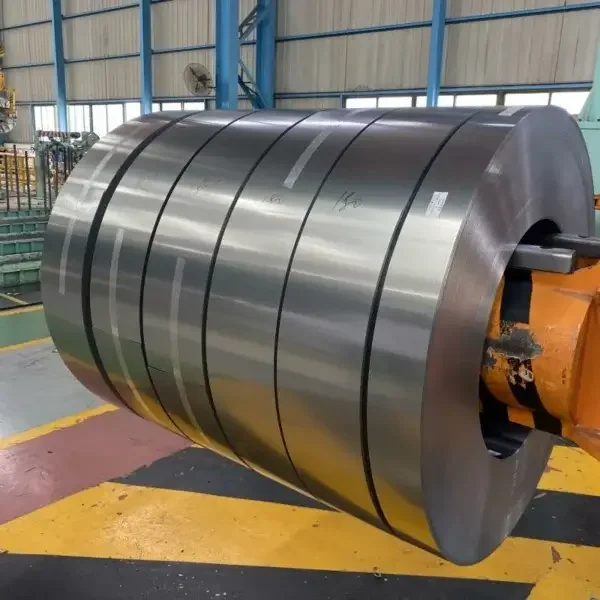
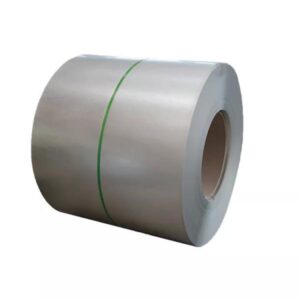
For motor programmes, M19 Non Oriented Electrical Steel covers standard traction and industrial stators. Transformer work usually takes M3 Grain Oriented Electrical Steel at 0.23 mm.
AI in the Melt Shop
Digital tools moved from pilots to process control. At one integrated mill, a steelmaking agent reads furnace sound and flue gas data. As a result, tapping decisions no longer rely on a operator’s eye alone.
Measured outcomes are concrete. Steelmaking efficiency gained 10.3%, and comprehensive energy consumption fell about 10%. In surface inspection, machine vision reached 96% defect recognition and cut missed defects by 35%.
Adoption is broad. Among key enterprises tracked by the association, 95% folded digital transformation into their development plans. Therefore, quality consistency should improve across the industry, not just at flagship plants.
That matters to importers. Better process control means tighter coil-to-coil variation. However, it does not replace incoming inspection, so keep your own loss testing.
100 Million Tons of Output Cut
Capacity discipline explains the profit recovery. Over the 14th Five-Year Plan, the industry removed more than 100 million tons of output. Meanwhile, plants stopped chasing scale.
Inventory stayed low. Subsequently, raw material demand softened and input prices drifted down. Steel prices held roughly stable, and margins returned to sustainable levels.
Consolidation advanced in parallel. CR10 reached 43.1%, up 4.2 points from 2020. Bigger groups mean fewer suppliers, so qualify at least two sources per grade.
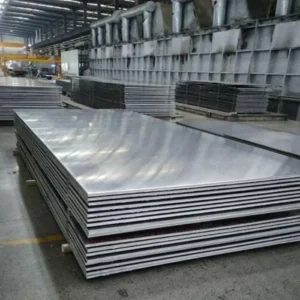
Machinery demand tracks this shift too. Wear parts and structural components pull 400 HB Wear Resistant Steel Plate into mining and handling equipment builds.
What It Means for Buyers
- Expect stable prices, not falling ones, as output discipline holds.
- Verify grade capability, because premium supply stays tight.
- Ask for process data alongside the MTC.
- Qualify a second mill before your tender closes.
- Watch emerging demand from robotics, low-altitude craft, and AI infrastructure.
Frequently Asked Questions
Yes at the volume level, near 100%. High-end specialty grades still rely on imports in some segments.
Costs fell and prices stabilised. Therefore, margin recovered without extra tonnage.
At high frequency, yes. Near 50 Hz, the gain narrows sharply.
Modest firmness looks likely. Output discipline caps supply growth.
MTC EN 10204 3.1, core loss data, and heat or lot traceability.
What We Do Not Do
- We do not mill or roll steel.
- We do not certify finished equipment.
- We do not supply commodity rebar or structural beams.
Consequently, we quote special steel coil and plate, with documentation attached.
Specify Your Order
- Name the grade and standard.
- Give thickness and width.
- Confirm tonnage and port.
- State the end application.
We reply with stock, price, and lead time within one working day.
- Email: vera.liang@ztwysteel.com
- Location: Xishan District, Wuxi, Jiangsu, China
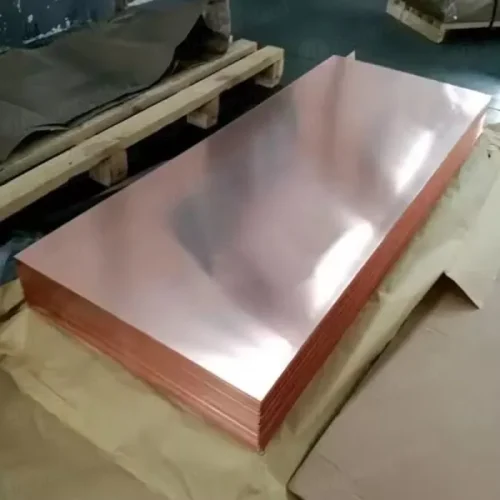
- Supply range: electrical steel M3–M19, wear-resistant plate 400–500 HB, mold steel
- Tolerance: thickness ±0.02 mm, slit width ±0.05 mm
- Documentation: MTC EN 10204 3.1, core loss per ASTM A343, lot traceability







 English