
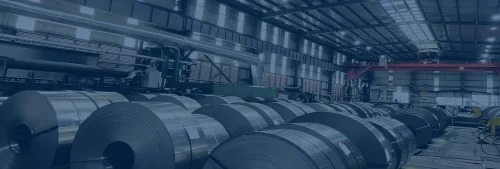
Evolution of silicon steel: from the “heart” of motors to an energy-efficient future
Silicon steel history spans 120 years. It started as a fix for overheating transformers. Furthermore, it evolved into the precision magnetic material that runs the modern grid. At Jiangsu Zhongtong Weiye Special Steel Co., Ltd., we ship the modern descendants of that early invention. Here is the roadmap.
1902: Silicon Is Discovered
Gumlich of Germany found that adding silicon to iron raised resistivity. Furthermore, it cut eddy current loss and magnetic aging. Consequently, hot-rolled silicon steel replaced plain carbon steel in transformer cores. Within a decade, it became the standard.
1933: Goss Texture Born
Norman Goss used two cold-roll and anneal cycles. Consequently, the grains aligned in the rolling direction. Furthermore, magnetic properties along that direction jumped. This was the birth of grain-oriented silicon steel (CRGO).
1964: Hi-B Grade Arrives
Japanese steelmakers added AlN + MnS inhibitors. Furthermore, they pushed grain alignment tighter. Consequently, they launched “Hi-B” high-permeability CRGO. B8 reached 1.90 T. Furthermore, core loss dropped further.
1970s–Today: China Catches Up
Chinese steelmakers started hot-rolled silicon in 1952. Furthermore, they licensed Hi-B technology in the 1970s. Today, Chinese mills produce half the world’s electrical steel. We supply that modern product: M3 Grain Oriented Electrical Steel, M4 Grain Oriented Electrical Steel, and M5 Grain Oriented Electrical Steel.
How Grades Are Categorized
| By silicon content | Si range | Use |
|---|---|---|
| Low silicon | <0.5% | Cheap small appliances |
| Medium silicon | 0.5–4.5% | Motors and transformers |
| High silicon | 4.5–6.5% | High-frequency, shielding |
Furthermore, by grain structure: CRGO for transformers, CRNGO for motors.
Two Key Metrics
- Core loss (P): wasted heat. Lower is better.
- Magnetic induction (B): flux capacity. Higher means smaller core.
We supply M19 Non Oriented Electrical Steel for premium motor applications.
The Future: Thinner, Lower Loss
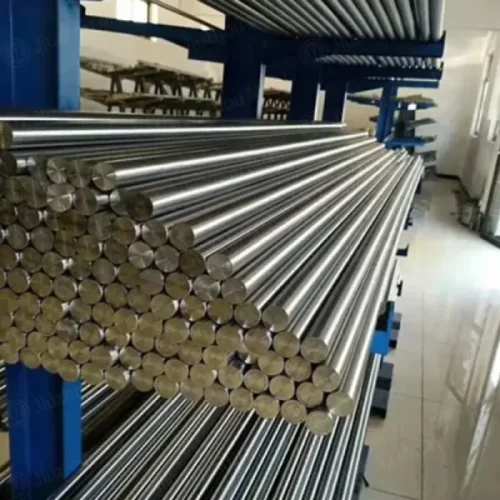
EV motors at 1,000 Hz need 0.15–0.20 mm strip. Furthermore, UHV grids demand ultra-low-loss Hi-B. Consequently, the industry pushes thinner gauges and cleaner steel.
What We Supply
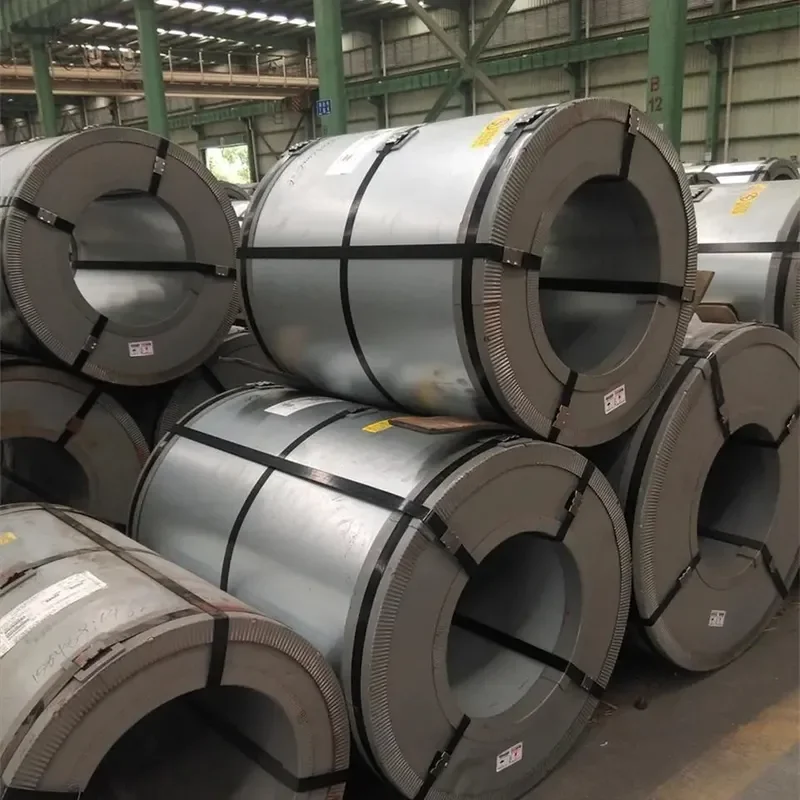
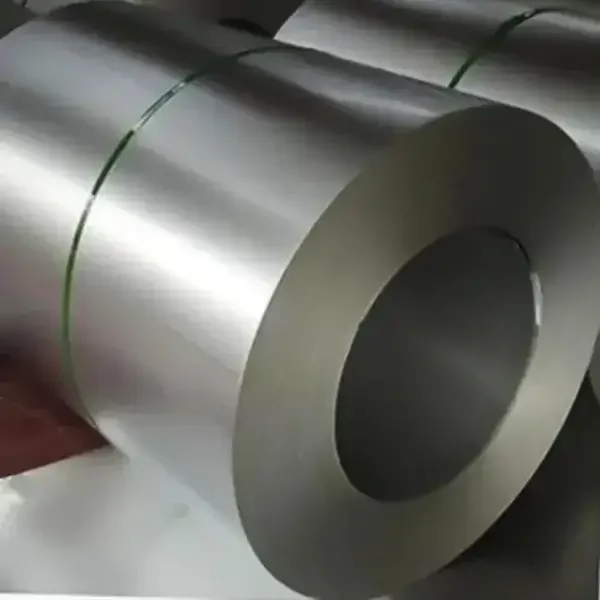
We ship modern electrical steel coil:
- CRGO: M3, M4, M5.
- CRNGO: M19, M27, M36, M43.
- Thickness: 0.18–0.50 mm.
- Slit to width: ±0.05 mm.
- Coil ID: 508 mm or 406 mm.
Furthermore, we pack for ocean freight with VCI paper.
What We Do Not Do
We do not:
- Produce 6.5% Si ultra-thin strip (mill order).
- Manufacture transformers or motors.
- Supply amorphous or nanocrystalline cores.
Consequently, we are your standard-grade modern CRGO/CRNGO supplier.
Specify Your Silicon Steel
Tell us:
- Equipment type (transformer or motor).
- Operating frequency (Hz).
- Required core loss (W/kg).
- Strip width and coil ID.
We will recommend the correct grade and quote.
- Email: vera.liang@ztwysteel.com
- Location: Xishan District, Wuxi, Jiangsu, China
- Supply range: CRGO grain-oriented steel, CRNGO non-oriented steel, slit strip
- Slitting tolerance: ±0.05 mm
- Documentation: MTC with core loss, magnetic induction, thickness, width, and coating
We reply within one working day.




 English