

Thông số kỹ thuật tùy chỉnh cho vật liệu tấm mạ thiếc: Hiểu rõ các thông số tùy chỉnh chính
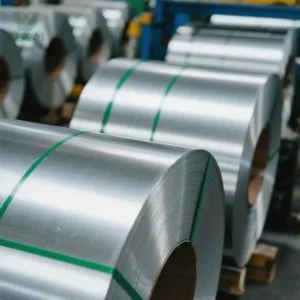
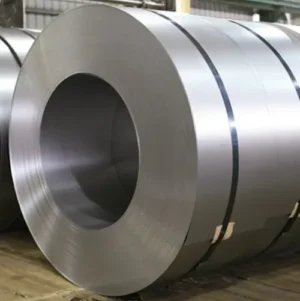
Understanding the Key Customization Parameters for Tinned Sheet Material is essential for industries that rely on this versatile material for their applications. Tinned sheet material, known for its protective coating of tin, offers a combination of corrosion resistance, ease of fabrication, and aesthetic appeal, making it suitable for a wide range of industrial and consumer products.
The customization of this material involves several critical parameters that must be carefully considered to ensure the final product meets the desired specifications and performance requirements. Among the primary customization parameters are thickness, surface finish, coating composition, and mechanical properties. Each of these parameters plays a significant role in determining the suitability of the tinned sheet material for specific applications. Thickness is one of the most fundamental customization parameters. The thickness of the tinned sheet material can vary widely, depending on the intended use.
Thicker sheets are generally used in applications where strength and durability are paramount, such as in automotive components and heavy machinery. On the other hand, thinner sheets are preferred for applications that require flexibility and ease of bending, such as in the production of electrical components and household goods. The surface finish of the tinned sheet material is another critical customization parameter.
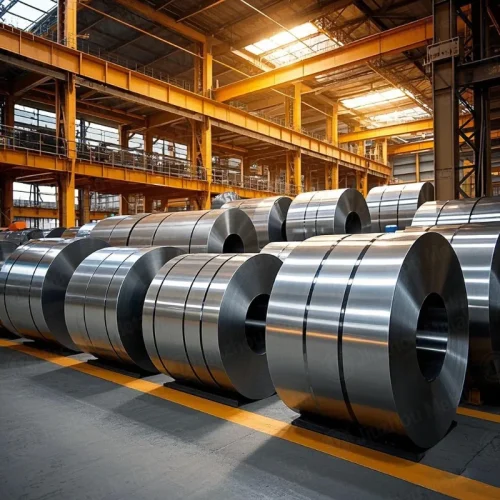
A smooth and uniform surface finish is essential for applications that require aesthetic appeal or precise fitting. The surface finish can be customized to meet specific requirements by controlling the plating process and the thickness of the tin coating. Coating composition is also a key parameter that influences the performance of the tinned sheet material. The composition of the tin coating can be customized to enhance specific properties such as corrosion resistance, solderability, and wear resistance. For instance, adding other metals like lead or nickel to the tin coating can improve its solderability, making it more suitable for electronic applications. Mechanical properties, including tensile strength, elongation, and hardness, are additional customization parameters that must be considered. These properties determine how the material will perform under various mechanical stresses and are critical for applications that require high levels of durability and reliability. In addition to these primary parameters, other factors such as edge finish, flatness, and dimensional tolerances must also be taken into account.
Edge finish, for example, can be customized to ensure clean and precise cuts, which is important for applications where the edges of the material will be visible or where precise fitting is required. Flatness is another parameter that affects the ease of fabrication and the overall quality of the final product. Dimensional tolerances must be strictly controlled to ensure that the material meets the exact specifications required for the intended application. Customizing tinned sheet material to meet specific requirements involves a detailed understanding of these parameters and the interplay between them.
Manufacturers must carefully balance these factors to produce a material that not only meets the technical specifications but also delivers optimal performance in the intended application. The process of customization requires advanced plating technologies, precise control over the manufacturing process, and rigorous quality control measures. By carefully managing these parameters, manufacturers can produce tinned sheet material that meets the diverse needs of various industries. In conclusion, the customization of tinned sheet material is a complex process that involves several key parameters. Thickness, surface finish, coating composition, and mechanical properties are among the most important factors that must be carefully considered.
By understanding and controlling these parameters, manufacturers can produce high-quality tinned sheet material that meets the specific requirements of different applications, ensuring optimal performance and reliability. The ability to customize tinned sheet material to meet these varying needs makes it a highly valuable material in numerous industries, from automotive and aerospace to electronics and consumer goods. The ongoing advancements in plating technologies and manufacturing processes continue to enhance the possibilities for customization, further expanding the applications and benefits of tinned sheet material. With the right approach, manufacturers can leverage the versatility of tinned sheet material to create innovative and high-performance products that meet the demands of today’s dynamic market.






 English
  Japanese
  Korean
  French
  German
  Spanish
  Portuguese
  Russian
  Arabic
  Italian
  Turkish
  Dutch
Dutch  Polish
  Swedish
  Danish
  Norwegian
  Finnish
  Greek
Greek  Hungarian
  Czech
Czech  Romanian
  Bulgarian
  Slovenian
  Croatian
  Slovak
  Malay
Malay  Indonesian
  Thai
Thai  Vietnamese
  Myanmar
  Khmer
Khmer  Lao
Lao  Tagalog
  Hindi
Hindi  Bengali
  Urdu
Urdu  Nepali
  Sinhala
  Hebrew
  Ukrainian
  Serbian
  Icelandic
  Swahili