

ٹِن پلیٹ کٹنگ میں نقصان کے کنٹرول کے اہم نکات
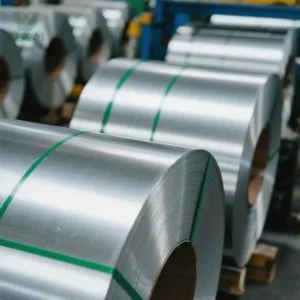
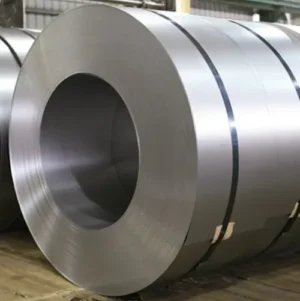
In the manufacturing industry, tinplate cutting loss control is a critical aspect that significantly impacts the overall efficiency and profitability of the production process. Tinplate, known for its thin steel sheet coated with tin, is widely used in the production of food cans, packaging, and other metal products. However, the process of cutting tinplate often results in a considerable amount of waste, which can be attributed to various factors such as inaccurate measurements, machine inaccuracies, and poor material handling.
Effective loss control strategies are essential to minimize these losses and optimize the production process. One of the primary methods to achieve this is through the implementation of precise measurement techniques. Accurate measurements ensure that the tinplate is cut to the required dimensions without any excess material, thereby reducing waste. Advanced measurement tools and software can be utilized to achieve high levels of precision. Another key aspect of tinplate cutting loss control is the regular maintenance and calibration of cutting machines. Over time, machines can become worn out or misaligned, leading to inaccuracies in the cutting process. Regular maintenance and calibration help to ensure that the machines are operating at their optimal performance, thereby minimizing errors and reducing waste. Material handling also plays a significant role in minimizing cutting losses. Proper handling techniques, such as using protective barriers and handling the material gently, can prevent damage and ensure that the tinplate remains in good condition throughout the cutting process. Additionally, implementing an efficient material management system can help to track and manage the inventory of tinplate, ensuring that there is no unnecessary waste due to overstocking or misplacement. Furthermore, the adoption of lean manufacturing principles can significantly contribute to tinplate cutting loss control. Lean manufacturing focuses on eliminating waste and improving efficiency in the production process.
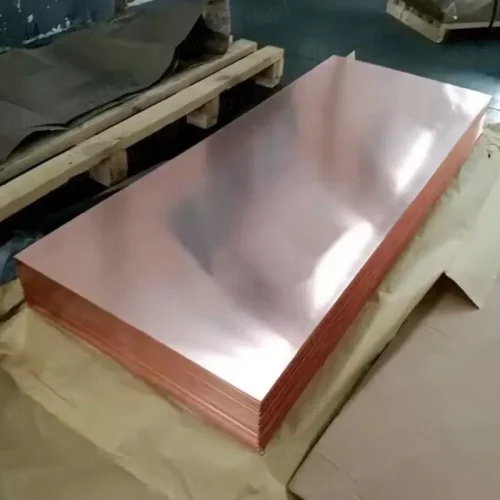
By identifying and eliminating non-value-added activities, manufacturers can optimize their operations and reduce cutting losses. This can be achieved through various methods such as value stream mapping, 5S, and Kaizen. Value stream mapping helps to visualize the entire production process, identifying areas where waste occurs and opportunities for improvement. 5S is a methodology that involves sorting, sorting, shining, standardizing, and sustaining, which helps to create a clean and organized work environment, thereby reducing errors and waste. Kaizen, on the other hand, is a continuous improvement approach that encourages employees to actively participate in identifying and implementing improvements. In conclusion, tinplate cutting loss control is a vital component of the manufacturing process that can significantly impact the efficiency and profitability of a company.
By implementing precise measurement techniques, maintaining and calibrating cutting machines, adopting proper material handling practices, and embracing lean manufacturing principles, manufacturers can minimize cutting losses and optimize their production processes. These strategies not only help to reduce waste but also contribute to a more sustainable and environmentally friendly manufacturing environment. By continuously striving for improvement and adopting best practices, manufacturers can achieve significant gains in terms of cost savings, quality enhancement, and overall operational efficiency.






 English
  Japanese
  Korean
  French
  German
  Spanish
  Portuguese
  Russian
  Arabic
  Italian
  Turkish
  Dutch
Dutch  Polish
  Swedish
  Danish
  Norwegian
  Finnish
  Greek
Greek  Hungarian
  Czech
Czech  Romanian
  Bulgarian
  Slovenian
  Croatian
  Slovak
  Malay
Malay  Indonesian
  Thai
Thai  Vietnamese
  Myanmar
  Khmer
Khmer  Lao
Lao  Tagalog
  Hindi
Hindi  Bengali
  Urdu
Urdu  Nepali
  Sinhala
  Hebrew
  Ukrainian
  Serbian
  Icelandic
  Swahili