
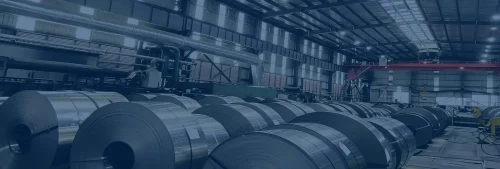
What advantages does high magnetic induction offer to transformers
Introduction
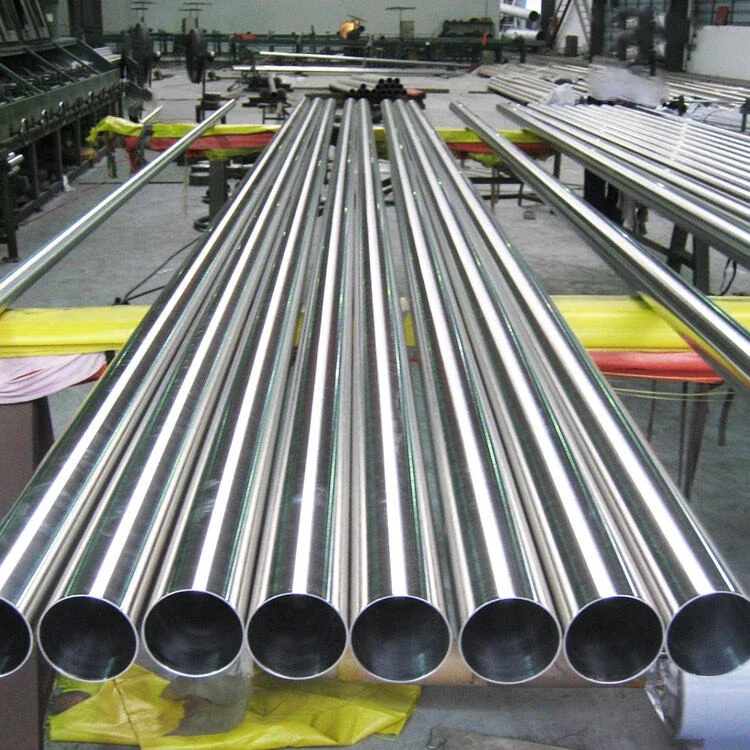
Transformers play a central role in modern power systems. Their efficiency depends on the magnetic core material. One key property is high magnetic induction. This feature allows the core to carry more magnetic flux. As a result, engineers can design smaller and lighter units. This article explains the advantages of high magnetic induction for transformers. It also covers practical benefits for cost, performance, and reliability.
What High Magnetic Induction Means
Magnetic induction measures how much magnetic flux a material can support. A high value means the core can handle strong magnetic fields. Therefore, the transformer needs fewer turns of wire. It also needs a smaller core cross-section. Consequently, the overall size and weight drop. This change directly affects material use and shipping costs. For many industrial buyers, these savings matter a lot.
Smaller and Lighter Transformer Designs
High magnetic induction enables compact core designs. A smaller core uses less steel and copper. Thus, the transformer becomes lighter and easier to install. In crowded electrical rooms, space is often limited. A compact unit fits better and saves floor area. Additionally, lighter units reduce structural support needs. This advantage lowers total installation expenses. For renewable energy projects, weight reduction is especially valuable.
Improved Energy Efficiency
Efficiency is a top concern for transformer users. High magnetic induction reduces core losses. It also lowers the current needed for a given power level. Therefore, less energy turns into waste heat. As a result, the transformer runs cooler and more efficiently. Over years of service, these savings add up. Utilities and factories benefit from lower electricity bills. In short, high magnetic induction supports greener operation.
Better Performance Under Load
Transformers often face changing loads. High magnetic induction helps maintain stable voltage. It also supports higher power density. So, the unit can handle more power without oversizing. This feature improves reliability during peak demand. Moreover, the core resists saturation better. That means fewer distortions and smoother output. For sensitive equipment, this stability is critical. Consequently, downtime and repair costs decrease.
Cost Savings in Materials and Production
Material costs drive transformer pricing. High magnetic induction allows less core material per unit. It also permits simpler winding structures. Both factors cut raw material expenses. In addition, smaller cores are easier to manufacture. Production lines can run faster with less waste. As a result, manufacturers offer more competitive prices. Buyers get better value without sacrificing quality. This economic advantage explains why many specs now require high magnetic induction.
Висновок
High magnetic induction brings clear advantages to transformers. It reduces size, weight, and material use. It also boosts efficiency and load performance. Moreover, it lowers production and operating costs. For engineers and procurement teams, this property is a smart choice. When selecting transformers, consider magnetic induction carefully. The right core material can improve both performance and profitability. In a competitive market, that edge matters.





 English
  Japanese
  Korean
  French
  German
  Spanish
  Portuguese
  Russian
  Arabic
  Italian
  Turkish
  Dutch
Dutch  Polish
  Swedish
  Danish
  Norwegian
  Finnish
  Greek
Greek  Hungarian
  Czech
Czech  Romanian
  Bulgarian
  Slovenian
  Croatian
  Slovak
  Malay
Malay  Indonesian
  Thai
Thai  Vietnamese
  Myanmar
  Khmer
Khmer  Lao
Lao  Tagalog
  Hindi
Hindi  Bengali
  Urdu
Urdu  Nepali
  Sinhala
  Hebrew
  Ukrainian
  Serbian
  Icelandic
  Swahili