

Applications of Alloy Steel Materials in XX Equipment: Compatibility and Performance
Alloy steel materials have become indispensable in the manufacturing of various equipment due to their exceptional mechanical properties and adaptability to harsh environments. The compatibility and performance of these materials are critical factors that determine the longevity and efficiency of the equipment they are used in. This article explores the diverse applications of alloy steel materials in various equipment, highlighting their benefits and the reasons behind their widespread use. The primary advantage of alloy steel is its enhanced strength and durability, which makes it suitable for high-stress applications.
In the automotive industry, alloy steel is used in the production of engine components, suspension systems, and transmission parts. These components are subjected to extreme temperatures, pressures, and vibrations, making the high tensile strength of alloy steel essential for ensuring reliability and safety. The alloy composition of these materials allows for improved resistance to wear and tear, reducing the need for frequent replacements and maintenance. Another critical application of alloy steel is in the construction of heavy machinery and industrial equipment.
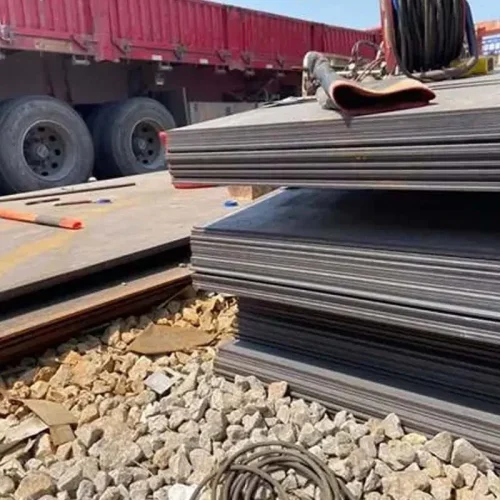
Equipment such as excavators, cranes, and presses require materials that can withstand heavy loads and continuous operation. Alloy steel’s ability to maintain its structural integrity under such conditions makes it the preferred choice for these applications. Additionally, the material’s resistance to corrosion and fatigue ensures that the equipment remains functional for extended periods, even in challenging environments. The petrochemical industry also benefits significantly from the use of alloy steel materials. Equipment used in refineries and chemical processing plants are exposed to corrosive substances and high temperatures, making the chemical resistance of alloy steel crucial. The alloying elements in these materials enhance their ability to withstand harsh chemical environments, preventing degradation and ensuring the safety and efficiency of the processes.
In the power generation sector, alloy steel is used in the construction of turbines, generators, and boilers. These components operate under high pressure and temperature conditions, requiring materials that can maintain their strength and performance. The thermal and mechanical properties of alloy steel make it ideal for such applications, contributing to the overall efficiency and reliability of power generation systems. The aerospace industry relies heavily on alloy steel for the manufacturing of aircraft components. From landing gear to engine parts, the strength, weight, and durability of alloy steel are essential for ensuring the safety and performance of aircraft.
The material’s ability to withstand extreme temperatures and stresses during flight makes it a critical component in aerospace engineering. Furthermore, the use of alloy steel in medical equipment, such as surgical instruments and diagnostic machines, underscores its versatility and reliability. The biocompatibility and precision engineering of these materials make them suitable for critical medical applications, where performance and safety are paramount. In summary, the applications of alloy steel materials in various equipment are vast and varied, driven by their exceptional compatibility and performance. Their enhanced strength, durability, and resistance to environmental factors make them indispensable in industries ranging from automotive and construction to petrochemicals and aerospace. As technology advances, the development of new alloy compositions continues to expand the possibilities for their use, further solidifying their role in modern engineering and manufacturing. The compatibility of alloy steel with different operating conditions and its ability to maintain performance over time make it a preferred choice for equipment manufacturers worldwide, ensuring the longevity and efficiency of their products.
The ongoing research and innovation in alloy steel technology promise even more applications and improvements in the future, reinforcing its importance in the global industrial landscape. The material’s versatility and reliability continue to drive its adoption across multiple sectors, making it a cornerstone of modern engineering and manufacturing practices.



 English
  Japanese
  Korean
  French
  German
  Spanish
  Portuguese
  Russian
  Arabic
  Italian
  Turkish
  Dutch
Dutch  Polish
  Swedish
  Danish
  Norwegian
  Finnish
  Greek
Greek  Hungarian
  Czech
Czech  Romanian
  Bulgarian
  Slovenian
  Croatian
  Slovak
  Malay
Malay  Indonesian
  Thai
Thai  Vietnamese
  Myanmar
  Khmer
Khmer  Lao
Lao  Tagalog
  Hindi
Hindi  Bengali
  Urdu
Urdu  Nepali
  Sinhala
  Hebrew
  Ukrainian
  Serbian
  Icelandic
  Swahili