

Performance Analysis of Tinplate with Various Surface Conditions
The performance analysis of tinplate with various surface conditions is a critical aspect in the manufacturing and application of tinplate products. Tinplate, a thin layer of tin coated on steel, is widely used in the food and beverage industry due to its excellent corrosion resistance and barrier properties. Understanding how different surface conditions affect the performance of tinplate is essential for optimizing its use in various applications.
This article explores the impact of surface conditions on the mechanical, chemical, and physical properties of tinplate, providing insights into the factors that influence its overall performance. The mechanical properties of tinplate, such as tensile strength, hardness, and flexibility, are significantly influenced by surface conditions. A well-defined and smooth surface enhances the material’s ability to withstand mechanical stress, making it suitable for applications that require bending and folding. Conversely, surface roughness or defects can weaken the material, leading to reduced tensile strength and increased susceptibility to deformation. The chemical properties of tinplate, including corrosion resistance and barrier effectiveness, are also affected by surface conditions.
A clean and uniform surface minimizes the presence of impurities and defects that can serve as sites for corrosion initiation. The presence of oxides, scale, or other contaminants on the surface can compromise the integrity of the tin layer, reducing its ability to protect the underlying steel from environmental degradation. Additionally, the surface condition influences the adhesion of coatings and linings, which are often applied to further enhance the functional properties of tinplate. The physical properties of tinplate, such as thermal conductivity and optical reflectivity, are another important consideration. A smooth and polished surface improves the thermal conductivity of the material, making it more efficient in applications that require heat transfer. On the other hand, a rough or uneven surface can hinder heat distribution, affecting the performance of the tinplate in such applications.
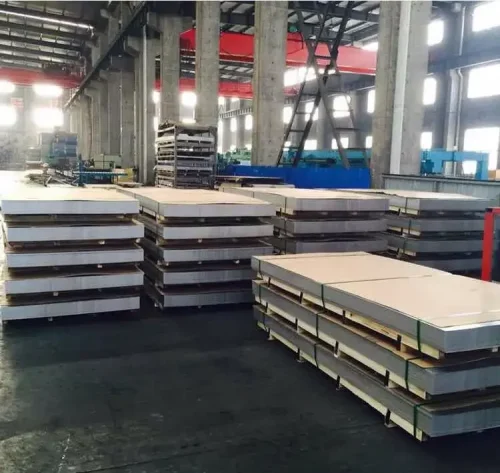
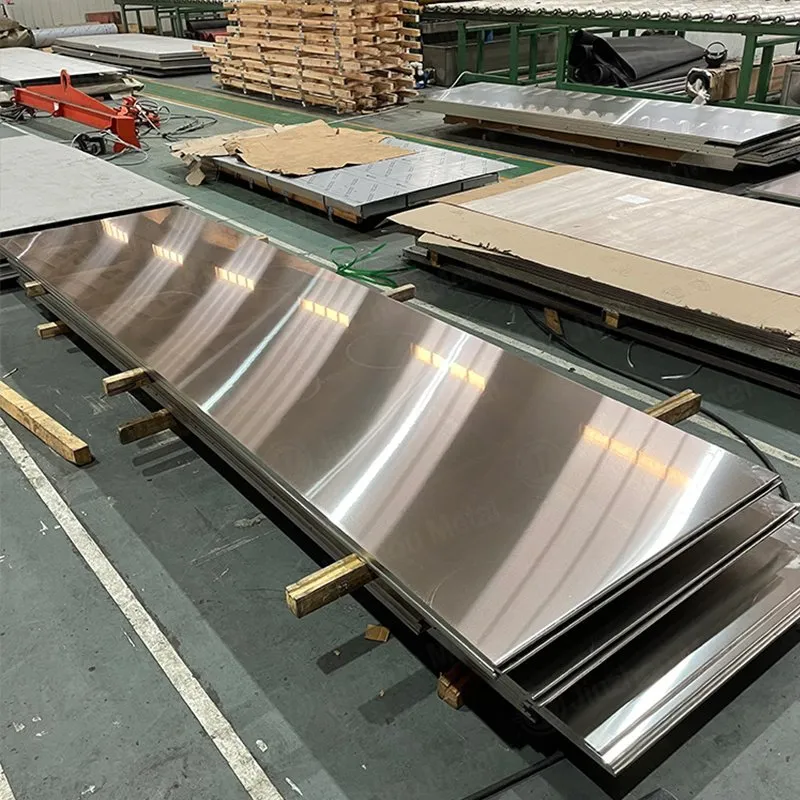
Optical reflectivity, which is relevant in applications where the appearance of the packaging is crucial, is also influenced by surface condition. A high-quality, mirror-like surface enhances the aesthetic appeal of the packaging, while a dull or scratched surface can detract from its visual appeal. In conclusion, the performance of tinplate is highly dependent on its surface condition. Factors such as mechanical strength, chemical resistance, and physical properties are all influenced by the quality and uniformity of the surface. Therefore, manufacturers and engineers must carefully control and optimize surface conditions during the production process to ensure that tinplate meets the required specifications for various applications.
This includes implementing advanced surface treatment techniques, such as polishing and cleaning, to achieve the desired surface quality. By understanding the relationship between surface conditions and performance, industries can enhance the durability and functionality of tinplate products, leading to improved product quality and customer satisfaction.






 English
  Japanese
  Korean
  French
  German
  Spanish
  Portuguese
  Russian
  Arabic
  Italian
  Turkish
  Dutch
Dutch  Polish
  Swedish
  Danish
  Norwegian
  Finnish
  Greek
Greek  Hungarian
  Czech
Czech  Romanian
  Bulgarian
  Slovenian
  Croatian
  Slovak
  Malay
Malay  Indonesian
  Thai
Thai  Vietnamese
  Myanmar
  Khmer
Khmer  Lao
Lao  Tagalog
  Hindi
Hindi  Bengali
  Urdu
Urdu  Nepali
  Sinhala
  Hebrew
  Ukrainian
  Serbian
  Icelandic
  Swahili