

Industry-Wide Inspection Items for Tin-Plated Sheet Materials
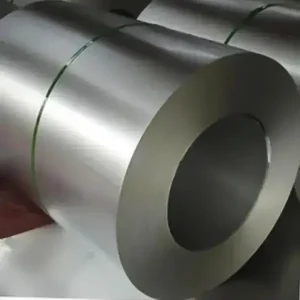
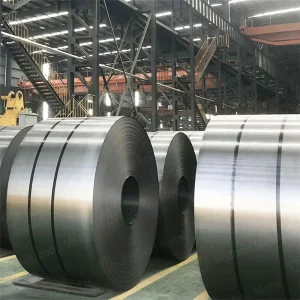
Industry-wide Inspection Items for Tin-Plated Sheet Materials are crucial for ensuring the quality and reliability of these materials in various applications. The inspection process involves a comprehensive evaluation of several key factors that determine the suitability of the tin-plated sheets for their intended use. One of the primary aspects inspected is the thickness of the tin layer.
The thickness must meet the specified requirements to ensure proper functionality and durability. This is typically measured using specialized equipment that provides precise readings, guaranteeing that the tin layer is consistent and uniform across the entire sheet. Variations in thickness can lead to issues such as corrosion or inadequate protection, which can compromise the integrity of the material. Another critical factor is the adhesion of the tin layer to the base material. Strong adhesion is essential to prevent the tin from peeling or flaking off, which can occur due to improper plating techniques or poor material compatibility. Adhesion tests are conducted using methods such as tape testing or scratch testing to assess the bond strength between the tin and the substrate. These tests help to identify any weaknesses in the plating process that need to be addressed.
The surface quality of the tin-plated sheets is also a significant consideration. Any imperfections such as pits, dents, or scratches can affect the performance of the material. Surface inspections are performed using visual examinations and optical magnification to detect any defects that might be present. A smooth and defect-free surface is essential for applications where the material will be subjected to wear or where aesthetic appearance is important. In addition to physical properties, the chemical composition of the tin layer is scrutinized to ensure it meets industry standards. This involves analyzing the purity of the tin and checking for the presence of any impurities that could affect its performance. Chemical tests such as spectroscopy are used to determine the exact composition of the tin layer, ensuring that it meets the required specifications. The base material’s quality is another critical factor that is evaluated during the inspection process. The substrate must be free from defects and must have the necessary properties to support the tin layer effectively. Inspections of the base material include checks for thickness, flatness, and any signs of corrosion or damage.
Ensuring the base material is of high quality helps to guarantee that the tin-plated sheets will perform reliably in their intended applications. Environmental resistance is also a key aspect of the inspection process. Tin-plated sheets are often used in environments where they may be exposed to moisture, chemicals, or extreme temperatures. Therefore, the material’s ability to withstand these conditions without degradation is assessed. Tests such as salt spray testing and humidity testing are conducted to evaluate the material’s resistance to corrosion and other environmental factors.
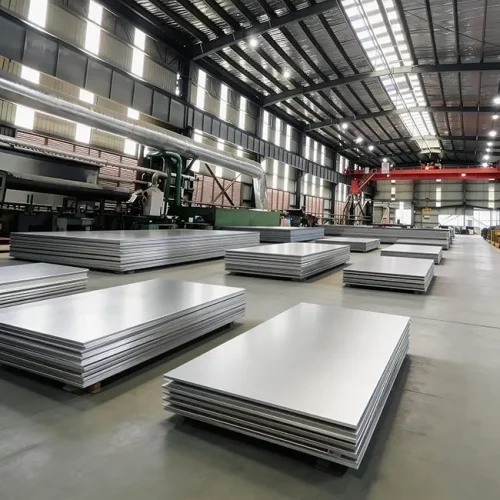
These tests help to ensure that the tin-plated sheets will maintain their integrity and functionality over time, even in challenging conditions. The overall consistency of the tin-plated sheets is another important consideration.
In conclusion, the industry-wide inspection items for tin-plated sheet materials encompass a wide range of factors that must be carefully evaluated to ensure the quality and reliability of these materials. From thickness and adhesion to surface quality and chemical composition, each aspect plays a crucial role in determining the overall performance of the tin-plated sheets. By adhering to strict inspection protocols and implementing robust quality control measures, manufacturers can produce high-quality tin-plated sheets that meet the needs of various industries and applications.




 English
  Japanese
  Korean
  French
  German
  Spanish
  Portuguese
  Russian
  Arabic
  Italian
  Turkish
  Dutch
Dutch  Polish
  Swedish
  Danish
  Norwegian
  Finnish
  Greek
Greek  Hungarian
  Czech
Czech  Romanian
  Bulgarian
  Slovenian
  Croatian
  Slovak
  Malay
Malay  Indonesian
  Thai
Thai  Vietnamese
  Myanmar
  Khmer
Khmer  Lao
Lao  Tagalog
  Hindi
Hindi  Bengali
  Urdu
Urdu  Nepali
  Sinhala
  Hebrew
  Ukrainian
  Serbian
  Icelandic
  Swahili