
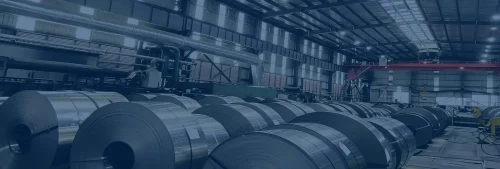
Green Transformation of Our Silicon Steel Factory: Minimizing Energy Waste in Production Processes
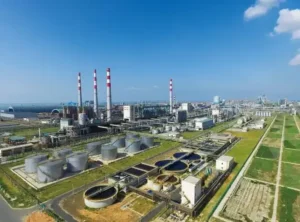
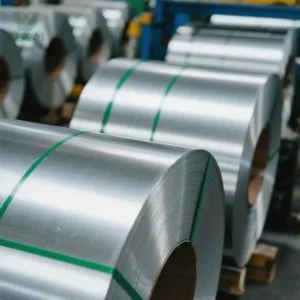
The green transformation of our silicon na bakal factory is a pivotal step towards sustainable manufacturing. With the increasing global emphasis on reducing carbon footprints and energy consumption, it’s imperative for industries to reevaluate their production processes. This article delves into the challenges and strategies involved in minimizing energy waste in the production processes of a silicon na bakal factory. One of the primary questions that arise is: How can we effectively reduce energy consumption without compromising the quality of the silicon na bakal produced? This question is crucial as it highlights the delicate balance between sustainability and productivity. The first step in addressing this issue is to conduct a thorough energy audit of the factory. This audit helps identify the major energy consumers and the areas where the most significant savings can be made. For instance, outdated machinery often consumes more energy than necessary. Upgrading to energy-efficient equipment can lead to substantial reductions in energy usage. However, the question of cost arises here. Can the investment in new machinery be justified by the long-term savings in energy costs? Another critical aspect to consider is the optimization of the production process itself. By streamlining operations and eliminating bottlenecks, factories can reduce the amount of energy wasted. This might involve reengineering certain steps in the production process to make them more efficient. But how does one ensure that these changes do not negatively impact the quality of the silicon steel? This is a question that requires careful planning and execution. Implementing advanced monitoring systems can also play a vital role in energy management. These systems provide real-time data on energy consumption, allowing for immediate adjustments and improvements. The question then becomes: What kind of monitoring technology is most effective for a silicon steel factory? The answer often lies in investing in smart sensors and IoT-based solutions that can provide comprehensive insights into the energy usage patterns. In addition to technological upgrades, another area of focus should be on employee training and awareness. Workers who are well-informed about the importance of energy conservation are more likely to adopt practices that reduce waste. The question here is: How can we effectively train and motivate employees to participate in energy-saving initiatives? This can be achieved through regular workshops, incentives, and recognition programs. Furthermore, the adoption of renewable energy sources can significantly reduce the environmental impact of the factory. The question of feasibility arises here: Can a silicon steel factory realistically switch to renewable energy sources? The answer often depends on factors such as location, availability of resources, and initial investment costs. However, the long-term benefits in terms of reduced energy bills and environmental impact can make this transition worthwhile. In conclusion, the green transformation of a silicon steel factory involves a multifaceted approach that addresses various challenges. By conducting energy audits, upgrading machinery, optimizing production processes, implementing advanced monitoring systems, and fostering a culture of energy conservation, factories can significantly reduce their energy waste. The key lies in balancing sustainability with productivity, ensuring that the quality of the silicon steel remains uncompromised. This transformation not only benefits the environment but also enhances the factory’s competitiveness in an increasingly eco-conscious market.
Keyword: Green transformation, silicon steel factory, energy waste, production processes, energy audit, energy-efficient equipment, production optimization, monitoring systems, renewable energy, employee training, environmental impact
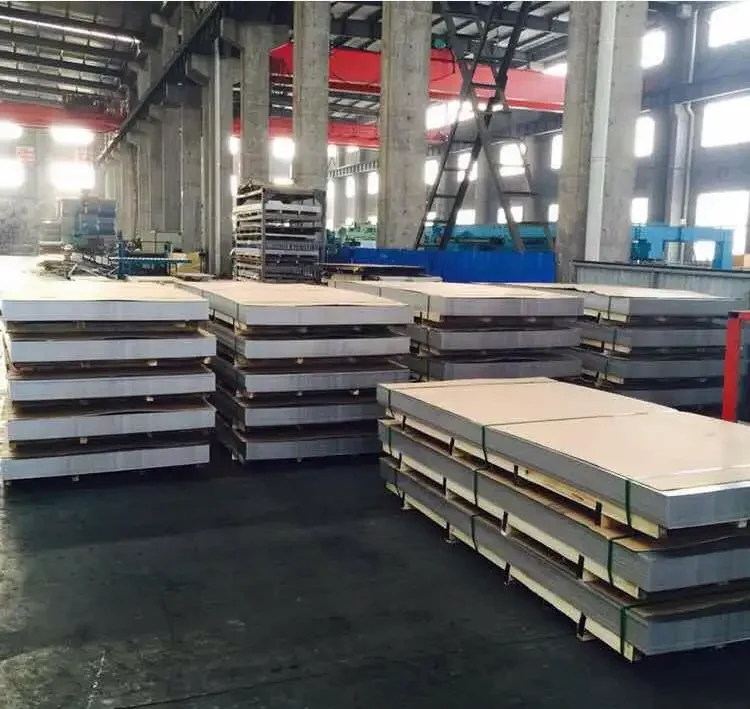
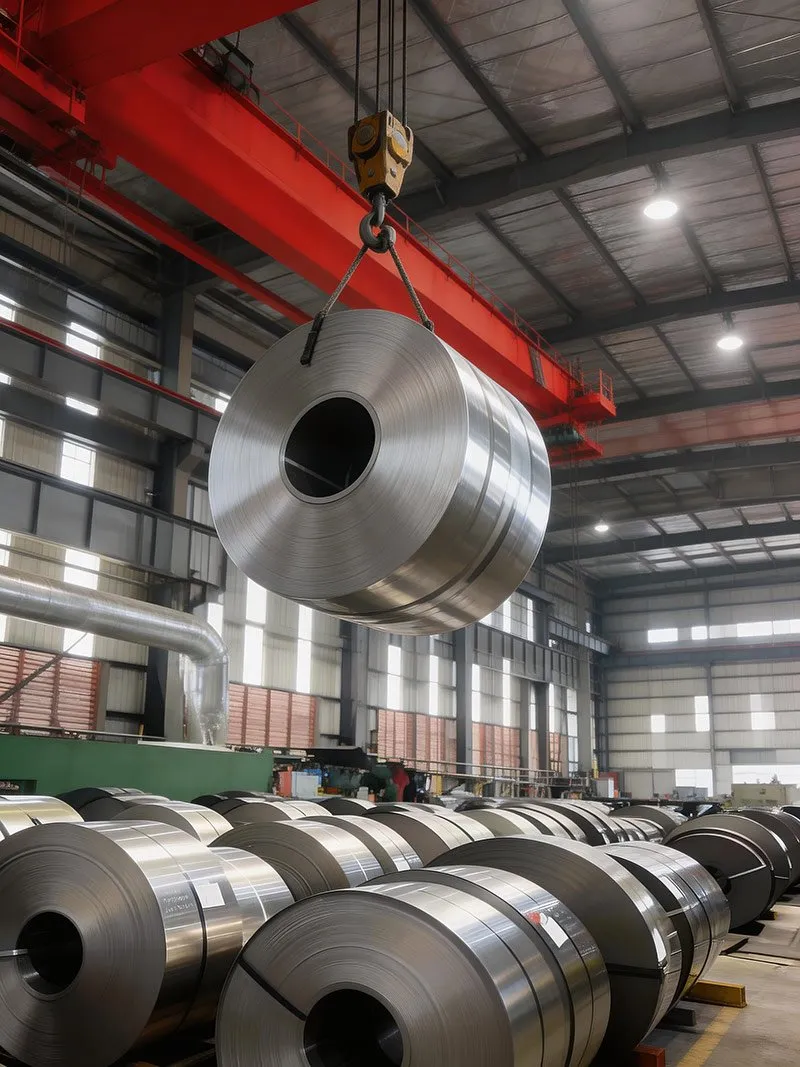





 English
  Japanese
  Korean
  French
  German
  Spanish
  Portuguese
  Russian
  Arabic
  Italian
  Turkish
  Dutch
Dutch  Polish
  Swedish
  Danish
  Norwegian
  Finnish
  Greek
Greek  Hungarian
  Czech
Czech  Romanian
  Bulgarian
  Slovenian
  Croatian
  Slovak
  Malay
Malay  Indonesian
  Thai
Thai  Vietnamese
  Myanmar
  Khmer
Khmer  Lao
Lao  Tagalog
  Hindi
Hindi  Bengali
  Urdu
Urdu  Nepali
  Sinhala
  Hebrew
  Ukrainian
  Serbian
  Icelandic
  Swahili