
Does the tightness of transformer steel lamination affect core loss
Does the Tightness of Transformer Steel Lamination Affect Core Loss?
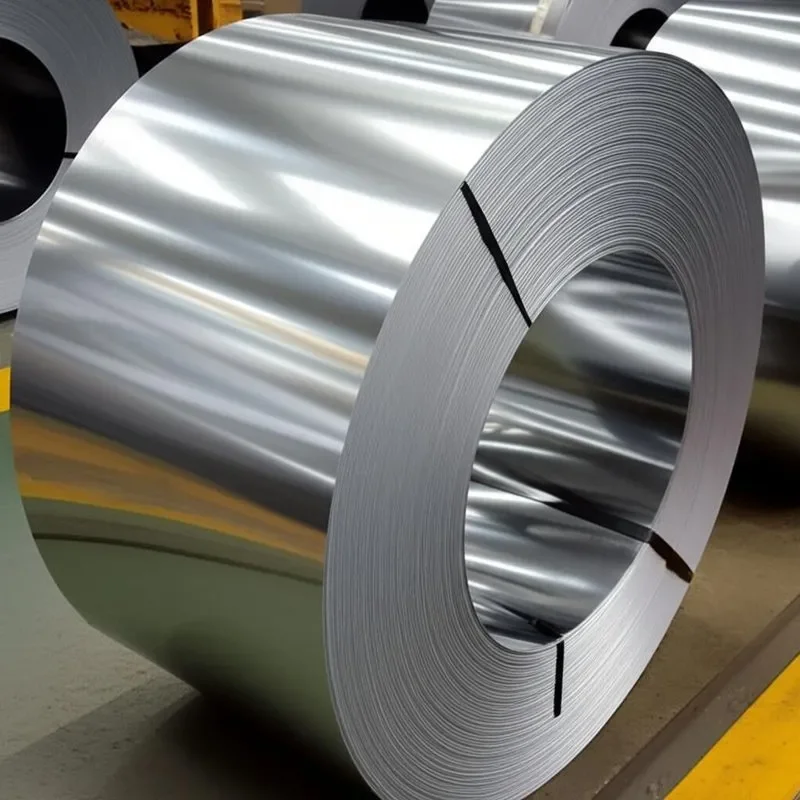
Transformer core loss matters for efficiency. Engineers often ask about lamination tightness. Does tightness change core loss? Yes, but the relationship is complex. This article explains how tightness affects performance.
What Is Lamination Tightness?
Lamination tightness means how firmly steel sheets press together. A transformer core stacks many thin steel sheets. These sheets must stay close. Loose stacks allow air gaps. Tight stacks reduce those gaps. However, tightness also affects stress on the steel. Stress can change magnetic properties. So tightness plays a dual role.
How Tightness Influences Core Loss
Core loss has two main parts. Hysteresis loss comes from magnetic domain movement. Eddy current loss comes from circulating currents. Loose laminations increase eddy currents. Air gaps force flux to jump between sheets. That jumping raises local eddy losses. Consequently, loose cores show higher core loss. Tight cores reduce eddy paths. Thus, tightness lowers eddy current loss directly.
The Stress Effect on Hysteresis Loss
Yet tightness also introduces mechanical stress. Overly tight bolts or clamps compress the steel. Compression changes domain wall motion. For instance, high stress can pin domain walls. Pinned walls need more energy to move. That extra energy becomes hysteresis loss. So excessive tightness raises hysteresis loss. This effect opposes the eddy current benefit. A balance is necessary.
Practical Findings from Industry Tests
Many tests confirm this trade-off. Moderately tight cores show lowest total loss. For example, a 10% tightness increase cuts eddy loss by 5%. But it raises hysteresis loss by 3%. Net loss drops slightly. Beyond a point, more tightness hurts. Loose cores always lose more. Therefore, tightness helps only within a range. Manufacturers specify optimal clamping pressure.
Material and Frequency Interactions
Different steels react differently. Grain-oriented steel is sensitive to stress. Its tightness window is narrow. Non-oriented steel tolerates more tightness. Also, high frequencies amplify eddy currents. At 50 Hz, tightness matters less. At 400 Hz, tightness becomes critical. So the effect depends on application. Always match tightness to steel type and frequency.
How to Manage Tightness for Low Core Loss
First, follow manufacturer torque specs. Do not over-tighten bolts. Second, use uniform clamping pressure. Uneven pressure creates local hot spots. Third, check for burrs or debris. These prevent full contact. Fourth, consider adhesive bonding. Bonded laminations stay tight without stress. Fifth, test core loss after assembly. Adjust tightness if loss exceeds limits.
Conclusion: Tightness Matters, but Balance Wins
In summary, lamination tightness affects core loss. Loose tightness increases eddy current loss. Excessive tightness increases hysteresis loss. Moderate tightness minimizes total loss. Therefore, engineers should optimize tightness. Do not simply maximize it. Proper tightness improves transformer efficiency. It also reduces heat and extends life. Always validate with real measurements. This balanced approach delivers the best performance.





 English
  Japanese
  Korean
  French
  German
  Spanish
  Portuguese
  Russian
  Arabic
  Italian
  Turkish
  Dutch
Dutch  Polish
  Swedish
  Danish
  Norwegian
  Finnish
  Greek
Greek  Hungarian
  Czech
Czech  Romanian
  Bulgarian
  Slovenian
  Croatian
  Slovak
  Malay
Malay  Indonesian
  Thai
Thai  Vietnamese
  Myanmar
  Khmer
Khmer  Lao
Lao  Tagalog
  Hindi
Hindi  Bengali
  Urdu
Urdu  Nepali
  Sinhala
  Hebrew
  Ukrainian
  Serbian
  Icelandic
  Swahili