

Will core clamping methods affect the magnetic performance of transformer steel
Introduction
Transformer steel plays a vital role in power distribution. Its magnetic performance directly affects energy efficiency. However, the way you clamp the core can change that performance. This article examines how will core clamping methods affect the magnetic performance of transformer steel. It offers clear, practical insights for engineers and buyers.
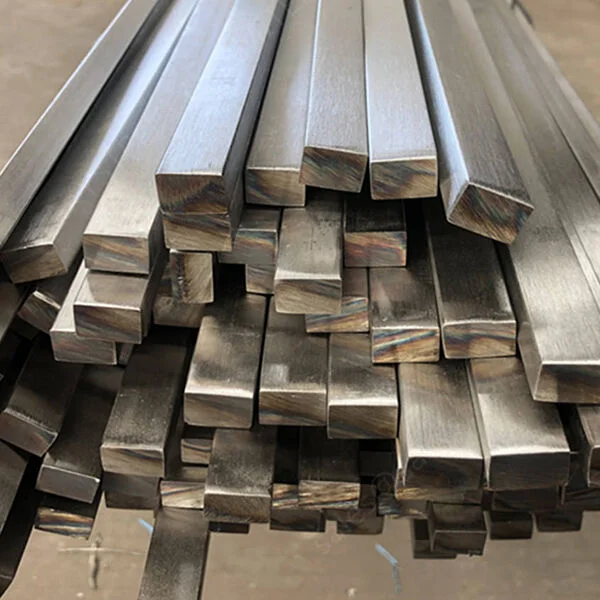
What Core Clamping Does to Magnetic Properties
Core clamping holds the steel laminations together. It prevents movement and reduces vibration. Yet, excessive pressure can harm magnetic domains. These domains align to carry magnetic flux. When pressure is too high, domains resist alignment. As a result, core losses increase. Permeability may also drop. Even small changes in clamping force matter.
Common Clamping Methods and Their Effects
Several clamping methods exist in transformer manufacturing. Each one influences magnetic performance differently. Bolt clamping is simple and strong. But uneven bolt torque creates local stress. That stress raises hysteresis loss. Stud and nut systems show similar risks. Weld clamping offers rigidity but can cause thermal damage. The heat alters steel grain structure. Consequently, magnetic permeability falls.
The Role of Pressure Distribution
Uniform pressure is ideal for magnetic cores. Uneven clamping leads to hot spots and flux leakage. Insulating pads or shims can spread force evenly. For example, a distributed clamp reduces localized stress. This approach keeps core loss low. In contrast, point clamping focuses force on small areas. That design harms magnetic flux paths. Therefore, pressure distribution matters more than total force.
Material and Design Interactions
Not all transformer steel reacts the same way. Grain-oriented เหล็กซิลิคอน is highly sensitive to stress. Even mild clamping can degrade its magnetic properties. Amorphous steel behaves differently. It resists stress better but cracks under sharp pressure. Clamping method must match the steel type. Also, core shape affects outcomes. A toroidal core needs gentle, uniform clamping. A laminated core may tolerate higher force.
Practical Guidelines for Better Performance
Manufacturers can take several steps. First, measure clamping pressure during assembly. Use load cells or pressure-sensitive film. Second, avoid over-tightening bolts. Follow torque specifications exactly. Third, add stress-relief layers between clamps and steel. Fourth, test magnetic properties after clamping. Compare core loss before and after. These steps help balance mechanical needs with magnetic quality.
สรุป
Core clamping methods clearly affect magnetic performance of transformer steel. Poor clamping raises losses and lowers efficiency. Good clamping preserves domain alignment and flux flow. Engineers should choose methods based on steel type and core design. They must also control pressure distribution and avoid excessive force. By doing so, they ensure reliable, efficient transformers. This knowledge supports better energy management and longer equipment life.





 English
  Japanese
  Korean
  French
  German
  Spanish
  Portuguese
  Russian
  Arabic
  Italian
  Turkish
  Dutch
Dutch  Polish
  Swedish
  Danish
  Norwegian
  Finnish
  Greek
Greek  Hungarian
  Czech
Czech  Romanian
  Bulgarian
  Slovenian
  Croatian
  Slovak
  Malay
Malay  Indonesian
  Thai
Thai  Vietnamese
  Myanmar
  Khmer
Khmer  Lao
Lao  Tagalog
  Hindi
Hindi  Bengali
  Urdu
Urdu  Nepali
  Sinhala
  Hebrew
  Ukrainian
  Serbian
  Icelandic
  Swahili