
What is magnetic aging, can magnetic aging occur on transformer steel
Understanding Magnetic Aging in Transformer Steel
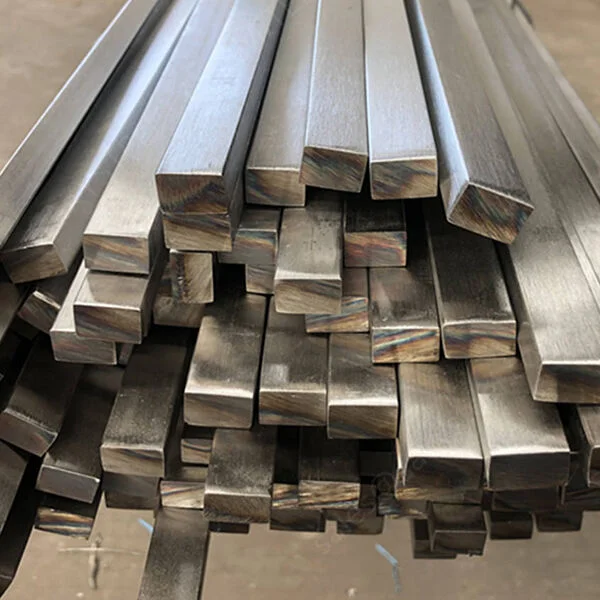
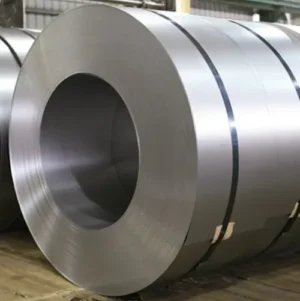
Magnetic aging refers to a gradual decline in magnetic properties over time. This process occurs in certain steels used for electrical equipment. Transformer steel often faces this issue during long-term operation. The phenomenon involves changes in the material’s internal structure. These changes affect how efficiently the steel handles magnetic fields. Consequently, engineers pay close attention to this problem.
What Causes Magnetic Aging to Happen?
Several factors drive magnetic aging in steel. First, impurities like carbon and nitrogen play a key role. These elements dissolve in the iron lattice at high temperatures. When the steel cools, they remain in a supersaturated state. Over time, these atoms migrate and form tiny particles. These particles pin magnetic domain walls. As a result, core loss increases and permeability drops.
Second, temperature accelerates the aging process. Higher temperatures speed up atomic diffusion. Thus, transformers running hot age faster. Third, mechanical stress can also contribute. Stress alters the magnetic domain structure. This change makes the steel more susceptible to aging.
Can Magnetic Aging Occur on Transformer Steel?
Yes, magnetic aging can absolutely occur on transformer steel. In fact, this steel is a common subject of such aging. Transformer cores operate under alternating magnetic fields. They also experience elevated temperatures. These conditions promote the diffusion of carbon and nitrogen. Consequently, the steel’s magnetic properties degrade over years. This degradation leads to higher energy losses. Utilities then face increased operational costs.
However, not all transformer steels age equally. Modern grain-oriented silicon steels resist aging better. Manufacturers add silicon to reduce carbon content. They also use special annealing processes. These steps minimize impurities and stabilize the magnetic domain structure. As a result, high-quality transformer steel ages much slower.
How Does Magnetic Aging Affect Transformer Performance?
The impact on transformer performance is significant. As core loss rises, the transformer consumes more electricity. This wasted energy turns into heat. The heat further accelerates aging, creating a vicious cycle. Additionally, permeability loss means the core needs a stronger magnetic field. This requirement reduces the transformer’s efficiency. In severe cases, aging can cause voltage regulation problems. Thus, magnetic aging directly affects reliability and cost.
Strategies to Mitigate Magnetic Aging
Engineers use several methods to combat this issue. First, they select low-carbon steel. Reducing carbon content limits particle formation. Second, they apply silicon additions. Silicon increases resistivity and reduces eddy current losses. Third, controlled cooling after hot rolling helps. Slow cooling allows carbon to precipitate harmlessly. Fourth, modern production uses continuous casting and vacuum degassing. These techniques remove nitrogen and carbon effectively.
For existing transformers, operators manage temperature carefully. Keeping the core cool slows diffusion. Regular maintenance and load management also help. In summary, mitigation focuses on material purity and thermal control.
Conclusion: Value of Understanding Magnetic Aging
Magnetic aging is a real and measurable phenomenon. It can occur on transformer steel under normal operating conditions. The primary cause is impurity diffusion, especially carbon and nitrogen. This diffusion increases core loss and reduces efficiency. However, modern steelmaking has greatly reduced the problem. By choosing proper materials and controlling temperature, engineers extend transformer life. Understanding magnetic aging helps utilities save energy and money. It also guides future improvements in electrical steel design. Therefore, this topic remains vital for power system reliability.







 English
  Japanese
  Korean
  French
  German
  Spanish
  Portuguese
  Russian
  Arabic
  Italian
  Turkish
  Dutch
Dutch  Polish
  Swedish
  Danish
  Norwegian
  Finnish
  Greek
Greek  Hungarian
  Czech
Czech  Romanian
  Bulgarian
  Slovenian
  Croatian
  Slovak
  Malay
Malay  Indonesian
  Thai
Thai  Vietnamese
  Myanmar
  Khmer
Khmer  Lao
Lao  Tagalog
  Hindi
Hindi  Bengali
  Urdu
Urdu  Nepali
  Sinhala
  Hebrew
  Ukrainian
  Serbian
  Icelandic
  Swahili