
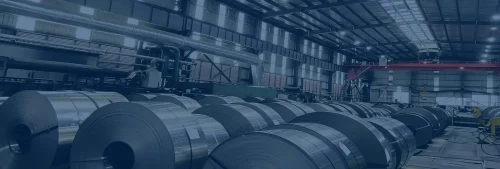
Warehousing requirements for transformer steel: moisture-proof, sun-proof and scratch-proof
Introduction

Transformer steel requires careful storage to maintain its quality. Moisture, sunlight, and scratches can all cause damage. Even minor defects may reduce magnetic performance. Therefore, warehouses must follow strict rules. These rules protect the steel from environmental harm. This article explains key warehousing requirements. It covers moisture-proof, sun-proof, and scratch-proof methods. Proper storage ensures reliable operation and long service life.
Moisture-Proof Storage
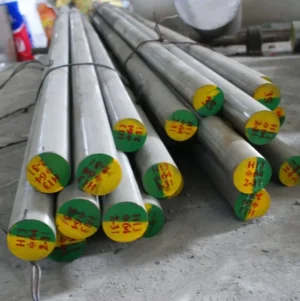
Moisture is a primary enemy of transformer steel. Water vapor can cause rust and corrosion. Even high humidity may degrade insulation coatings. Consequently, warehouses need dehumidifiers and sealed packaging. First, keep relative humidity below 40 percent. Second, use desiccant packets inside crates. Third, wrap steel coils in vapor-barrier film. Fourth, store materials on pallets off the floor. Fifth, inspect for leaks after heavy rain. These steps prevent condensation and oxidation. Additionally, ventilation must be controlled. Too much airflow can bring in damp air. Hence, use closed rooms with climate control. Regular monitoring is essential. For instance, log temperature and humidity daily. This practice helps catch problems early. As a result, transformer steel stays dry and ready for use.
Sun-Proof Protection
Direct sunlight damages transformer steel over time. Ultraviolet rays can break down protective coatings. Heat from the sun may also warp thin sheets. Therefore, warehouses should block all natural light. Use opaque curtains or blinds on windows. Install UV-filtering films on glass. Alternatively, store steel in interior rooms without windows. If skylights exist, cover them with shading panels. Artificial lighting should be LED and low-heat. Keep lights away from direct contact with steel. Furthermore, avoid storing near heating vents. Sun exposure often leads to uneven expansion. This condition stresses the material internally. Over months, cracks may appear. Thus, sun-proofing is not optional. It preserves both physical shape and magnetic properties. A simple shade can save thousands in rejects.
Scratch-Proof Handling
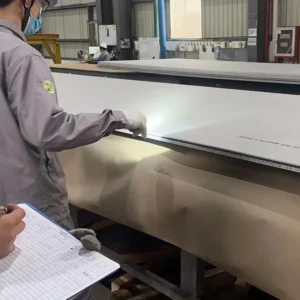
Scratches harm transformer steel in subtle ways. Deep marks disrupt magnetic domains. Even light abrasions can reduce efficiency. Hence, scratch prevention starts with careful handling. Workers should wear clean gloves. Never drag steel across rough surfaces. Use felt-lined racks and padded shelves. Separate each sheet with soft paper. Stack coils with edge protectors. Forklifts need rubber-coated forks. Also, keep storage areas free of debris. Remove metal shavings and grit daily. When moving materials, use overhead cranes. Avoid dropping or sliding items. Training is critical for all staff. They must understand scratch risks. Regular audits can catch bad practices. Consequently, surface quality remains intact. This care extends the steel’s working life.
Combined Best Practices
These three requirements work together. Moisture control prevents rust that weakens scratches. Sun protection stops heat that makes surfaces soft. Scratch prevention avoids damage that lets moisture enter. Therefore, an integrated plan is best. Start with a dry, dark, and clean room. Then add protective packaging and handling rules. Use inventory rotation to limit storage time. First-in, first-out reduces long exposure. Keep records for every batch. If damage occurs, trace it quickly. Also, train new hires on day one. Review procedures each quarter. Update methods based on new research. For example, some coatings now resist moisture better. But physical protection remains vital. No single measure is enough. A layered defense gives the best results.
สรุป
Transformer steel demands strict warehousing care. Moisture-proof, sun-proof, and scratch-proof steps are non-negotiable. They protect magnetic performance and prevent costly waste. By controlling humidity, blocking light, and handling gently, warehouses preserve material quality. These practices also improve safety and reduce rework. Ultimately, good storage saves money and builds trust. Every facility should adopt these requirements today. Then transformer steel will perform as designed for years.





 English
  Japanese
  Korean
  French
  German
  Spanish
  Portuguese
  Russian
  Arabic
  Italian
  Turkish
  Dutch
Dutch  Polish
  Swedish
  Danish
  Norwegian
  Finnish
  Greek
Greek  Hungarian
  Czech
Czech  Romanian
  Bulgarian
  Slovenian
  Croatian
  Slovak
  Malay
Malay  Indonesian
  Thai
Thai  Vietnamese
  Myanmar
  Khmer
Khmer  Lao
Lao  Tagalog
  Hindi
Hindi  Bengali
  Urdu
Urdu  Nepali
  Sinhala
  Hebrew
  Ukrainian
  Serbian
  Icelandic
  Swahili