
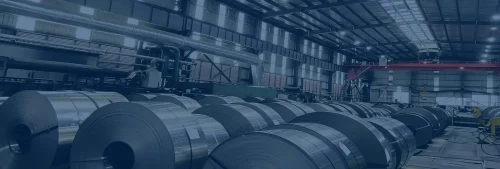
Applications of Silicon Steel
I. The Invisible Backbone of Power Systems
Kiselstål can be regarded as the “neural system” of power grids. These alloy steel sheets containing 1%–4.5% silicon serve as the core raw material for manufacturing transformers and motors. When electric current passes through stacked kiselstål laminations, their distinctive grain orientation structure cuts eddy current loss by 60%, acting like an energy-saving regulator for power transmission. Typical applications include:
- Power transformers: Each ton of kiselstål reduces power loss by approximately 800 kWh per year.
- New energy vehicle drive motors: Silicon steel sheets thinner than 0.2 mm, slimmer than A4 paper, have been put into mass use.
- Household appliance motors: The silicon steel core inside refrigerator compressors weighs merely 200 grams yet withstands vibrations of 30,000 cycles per minute.
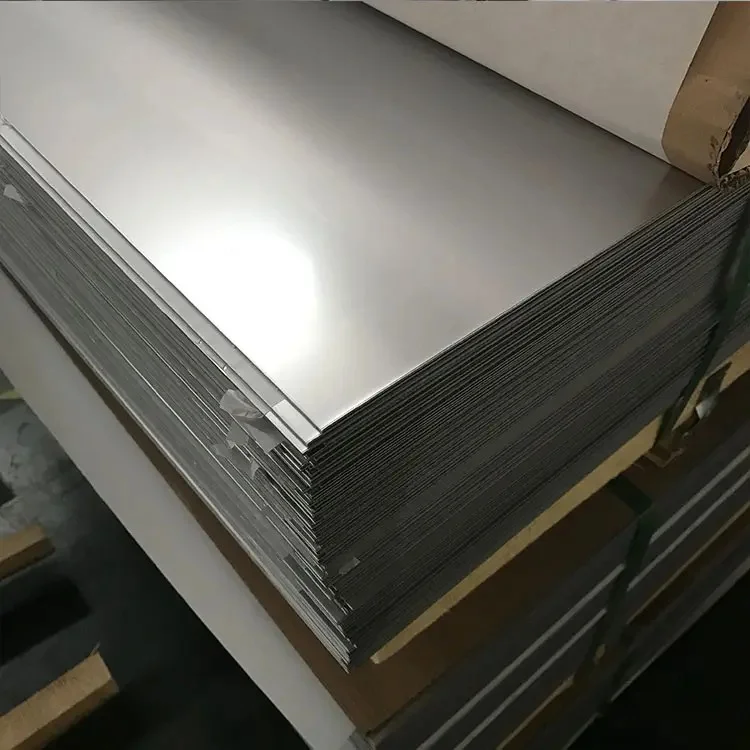
II. Silicon Content: The Tuner for Magnetic Properties
Silicon content works like an adjustment knob for magnetic performance:
- Low-silicon steel (1%–2%): Ideal for relay iron cores subject to frequent magnetization cycles.
- Medium-silicon steel (2.5%–3.5%): Balances magnetic permeability and mechanical strength, adopted for generator stators.
- High-silicon steel (>3.5%): Near-zero magnetostriction coefficient, making it the optimal material for precision instruments.
Notably, every 0.5% rise in silicon content reduces core loss by around 15%, while stamping performance deteriorates correspondingly.
III. Evolving Frontier Applications
Novel nanocrystalline silicon steel is breaking traditional performance limits:
- Wireless charging equipment: Ultra-thin 0.1 mm silicon steel sheets lift energy transfer efficiency to 92%.
- Smart electricity meters: Amorphous silicon steel features hysteresis loss only one-third that of conventional materials.
- Magnetic levitation bearings: 6.5% high-silicon steel delivers nearly zero magnetostriction for more stable levitation.
Such innovations have brought silicon steel from behind-the-scenes industrial components to cutting-edge tech fields, and it may even be adopted as electromagnetic shielding material for quantum computers in the future.




 English
  Japanese
  Korean
  French
  German
  Spanish
  Portuguese
  Russian
  Arabic
  Italian
  Turkish
  Dutch
Dutch  Polish
  Swedish
  Danish
  Norwegian
  Finnish
  Greek
Greek  Hungarian
  Czech
Czech  Romanian
  Bulgarian
  Slovenian
  Croatian
  Slovak
  Malay
Malay  Indonesian
  Thai
Thai  Vietnamese
  Myanmar
  Khmer
Khmer  Lao
Lao  Tagalog
  Hindi
Hindi  Bengali
  Urdu
Urdu  Nepali
  Sinhala
  Hebrew
  Ukrainian
  Serbian
  Icelandic
  Swahili