

Will shear stress degrade the magnetic performance of transformer steel
Introduction
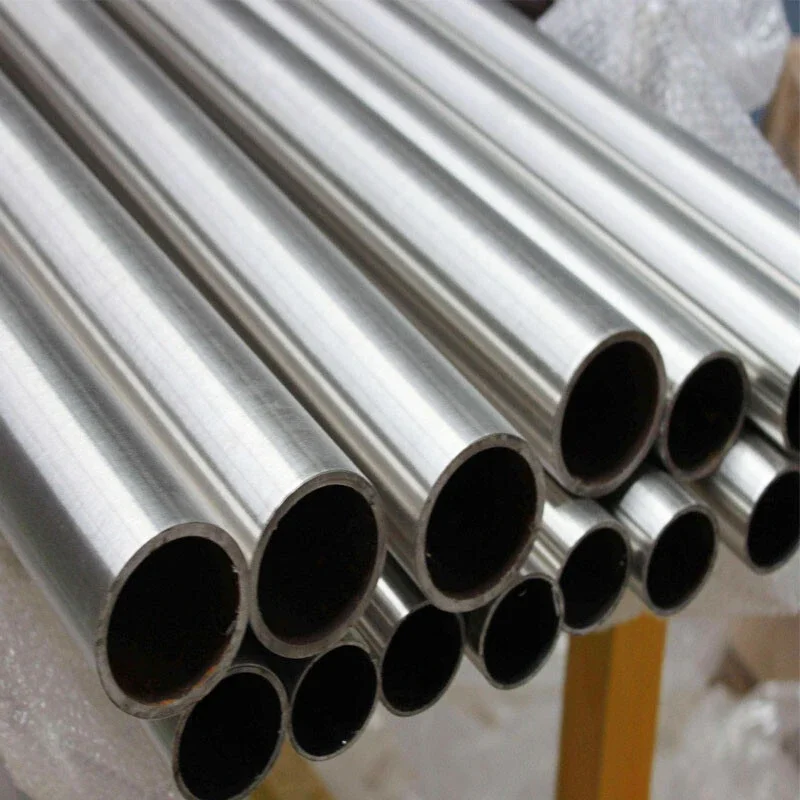
Will shear stress degrade the magnetic performance of transformer steel? This question matters for engineers and buyers alike. Transformer steel, often called electrical steel, carries magnetic flux in motors and transformers. Any mechanical stress can change its magnetic behavior. Shear stress is a common force during cutting, punching, and assembly. Therefore, understanding its effect helps prevent energy losses. This article explains how shear stress affects magnetic properties. It also offers practical ways to reduce damage. The goal is to support better material selection and design choices.
What Shear Stress Does to Magnetic Domains
Magnetic performance depends on domain wall movement. Domains are tiny regions with aligned magnetic moments. Under ideal conditions, these walls move easily. This allows high permeability and low hysteresis loss. Shear stress, however, distorts the crystal lattice. Such distortion pins domain walls in place. As a result, the material resists magnetization changes. Permeability drops, and core loss rises. Even small stress levels can cause noticeable harm. For instance, a 10 MPa shear stress may increase loss by 5 to 10 percent. This effect is not reversible in many cases.
Impact on Core Loss and Permeability
Core loss includes hysteresis and eddy current components. Shear stress mainly raises hysteresis loss. It does so by making domain wall motion harder. Permeability, or the ease of magnetization, falls at the same time. This means a transformer needs more current to reach the same flux. Consequently, efficiency drops and heat increases. In severe cases, the steel may saturate earlier than expected. This limits power handling capacity. For grain-oriented steel, the damage is often worse along the rolling direction. So, stress direction matters as much as stress magnitude.
Why Shear Stress Differs from Tensile Stress
Tensile stress often aligns domains in a helpful way. Shear stress, by contrast, creates a sliding force. This force disrupts the easy magnetization axis. As a result, the magnetic performance degrades more sharply. Researchers use a parameter called magnetostriction to measure this. Shear stress increases magnetostriction, which causes noise and vibration. In transformers, that noise indicates magnetic degradation. Unlike tensile stress, shear stress rarely improves any magnetic property. Thus, engineers should treat shear stress as a harmful factor.
Common Sources in Manufacturing and Use
Shear stress appears during many steps. Slitting and shearing of steel coils create local shear zones. Punching laminations introduces shear at the edges. Winding and clamping can also produce shear forces. Even shipping and handling may cause hidden stress. During operation, vibration and thermal cycling add more shear. Each source adds to the total stress state. Over time, the magnetic performance may drift downward. This drift is often called stress-induced degradation. It is a key reason for annealing after cutting.
How to Measure and Mitigate the Effect
Engineers can measure magnetic degradation with a Epstein frame or single sheet tester. They compare results before and after stress application. To reduce shear stress, several methods exist. First, use sharp dies and proper clearance during punching. Second, apply stress-relief annealing after mechanical shaping. Third, design clamps that distribute force evenly. Fourth, avoid excessive winding tension. Fifth, use coatings that reduce friction. Finally, select steel grades with higher stress tolerance. These steps help maintain magnetic performance.
Practical Implications for Transformer Design
Designers should not ignore shear stress. A small shear zone can lower efficiency by a few percent. That loss adds up over years of operation. It also raises operating temperature. Higher temperature accelerates insulation aging. Therefore, accounting for shear stress improves reliability. Buyers should ask for stress-tested steel data. Suppliers should provide magnetic properties after simulated shear. This transparency builds trust and reduces field failures. In short, shear stress is a real threat to transformer steel.
Закључак
Yes, shear stress degrades the magnetic performance of transformer steel. It pins domain walls, raises hysteresis loss, and lowers permeability. The effect is often worse than tensile stress. Sources include cutting, punching, winding, and vibration. Mitigation requires careful processing and annealing. Designers must include stress margins in their calculations. By doing so, they protect efficiency, reduce noise, and extend service life. For anyone working with electrical steel, ignoring shear stress is a costly mistake. Proper attention ensures better magnetic performance and long-term value.





 English
  Japanese
  Korean
  French
  German
  Spanish
  Portuguese
  Russian
  Arabic
  Italian
  Turkish
  Dutch
Dutch  Polish
  Swedish
  Danish
  Norwegian
  Finnish
  Greek
Greek  Hungarian
  Czech
Czech  Romanian
  Bulgarian
  Slovenian
  Croatian
  Slovak
  Malay
Malay  Indonesian
  Thai
Thai  Vietnamese
  Myanmar
  Khmer
Khmer  Lao
Lao  Tagalog
  Hindi
Hindi  Bengali
  Urdu
Urdu  Nepali
  Sinhala
  Hebrew
  Ukrainian
  Serbian
  Icelandic
  Swahili