
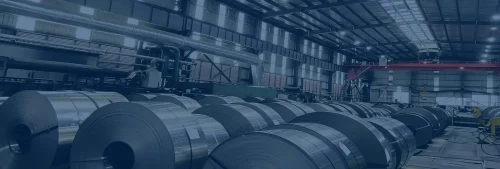
High-Silicon Steel: Core Material Analysis for Power Equipment and New Energy Industries
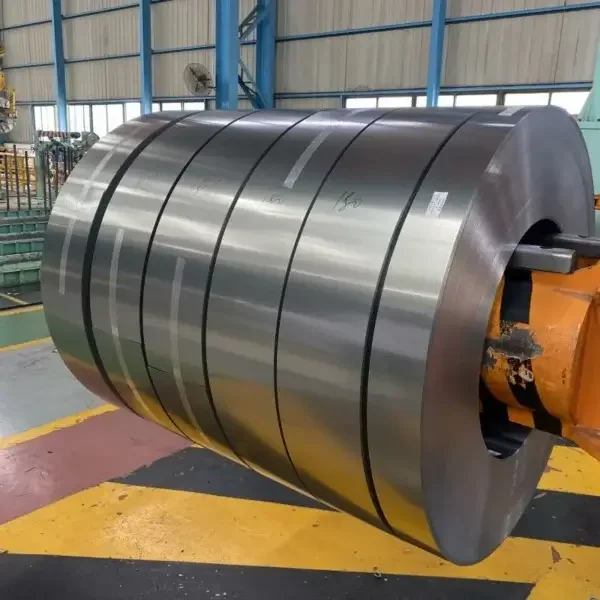
High-силицијумски челик is silicon-alloyed steel with a silicon content above 3%, featuring low core loss and high magnetic permeability. Composed mainly of iron and silicon, it is processed into steel sheets via cold rolling or hot rolling, and primarily deployed in power equipment requiring high-efficiency magnetic performance.
I. Core Application Scenarios and Merits
Thanks to its superior electromagnetic properties, high-силицијумски челик is an irreplaceable material for transformers and motors.
- Silicon steel for transformers drastically improves energy conversion efficiency by cutting eddy current loss.
- The high magnetic induction property of motor-grade silicon steel shrinks core volume and enables lightweight equipment design.
💡 Performance Advantage: Every 1% rise in silicon content reduces core loss by approximately 15%.
Demand for low-core-loss silicon steel keeps expanding across the new energy sector, especially for wind power converters and photovoltaic inverters. High-induction silicon steel effectively curtails equipment no-load loss and raises the overall efficiency of new energy power generation systems by 5%–8%.
🔍 Energy-Saving Highlight: Under identical operating conditions, premium silicon steel sheets deliver up to 30% lower core loss than standard alternatives.
II. Material Classification and Performance Differences
Based on grain orientation, high-silicon steel falls into two major categories: grain-oriented and non-oriented silicon steel.
- Grain-oriented silicon steel features directional magnetic permeability, ideal for transformer core fabrication.
- Non-oriented silicon steel boasts isotropic magnetic performance and is widely used for stators and rotors of rotating machinery.
✅ Selection Rule: Grain-oriented silicon steel takes priority for transformers, while non-oriented grades are required for motors.
Processing disparities between cold-rolled and hot-rolled silicon steel directly determine final performance:
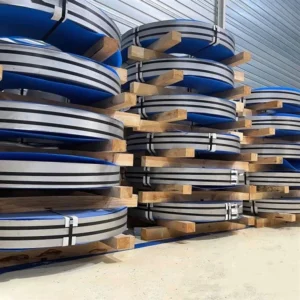
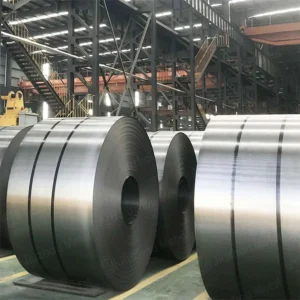
- Cold-rolled silicon steel strips feature uniform thickness and stable magnetic properties.
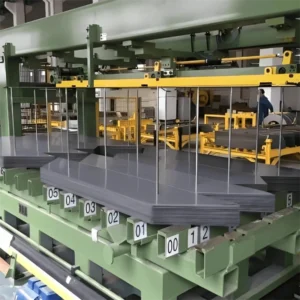
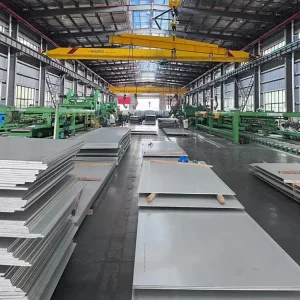
- Hot-rolled silicon steel plates carry lower costs and suit scenarios with loose precision requirements.
📌 Key Takeaway: Cold-rolled silicon steel laminations are specified for precision motors; hot-rolled silicon steel stacks are acceptable for conventional power distribution equipment.
III. Key Processing and Testing Technologies
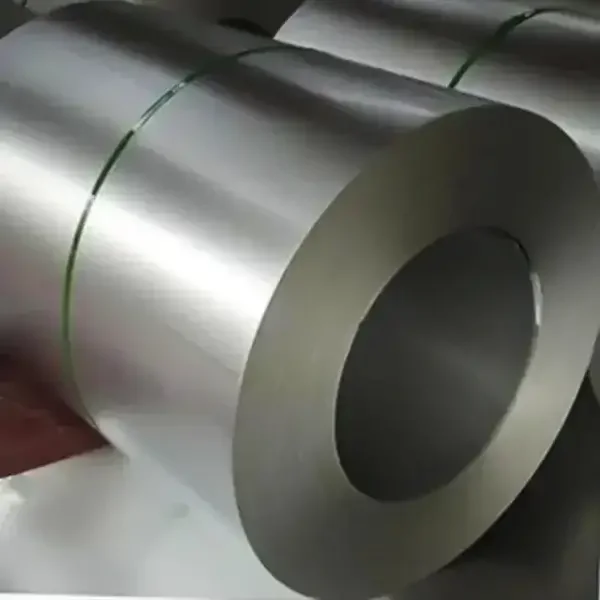
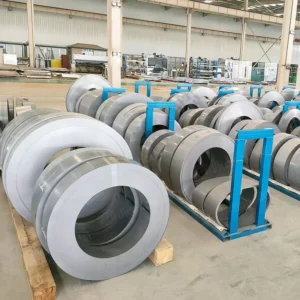
Silicon steel heat treatment equipment eliminates internal stress through annealing and regularizes magnetic domain structures. Properly annealed silicon steel coils achieve a 20%–40% reduction in hysteresis loss.
💡 Process Value: Heat treatment recovers lattices damaged during cold rolling and optimizes the final magnetic performance of silicon steel strips.
Professional silicon steel testing instruments are indispensable for product quality control:
- Magnetic property testers verify compliance of core loss and magnetic induction values.
- Coating thickness gauges monitor uniformity of insulating layers.
- Stress testing equipment prevents deformation during machining.
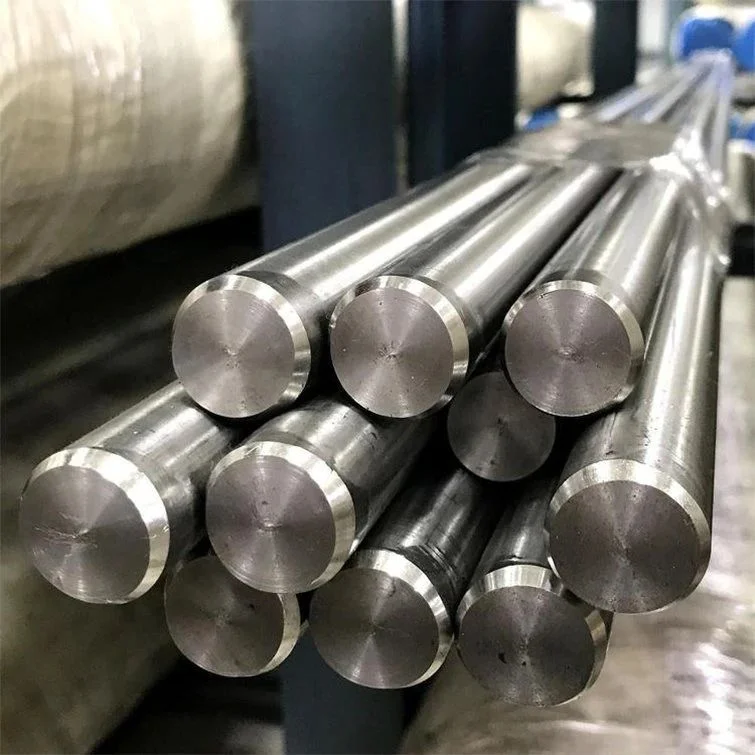
⚠️ Pitfall Reminder: Uninspected silicon steel bars may contain hidden grain orientation deviations.
IV. Optimization Scheme for Auxiliary Materials
Silicon steel coating materials directly govern insulation and corrosion resistance. High-quality insulating coatings lift the stacking factor of silicon steel sheets to 98% while suppressing high-frequency eddy current loss.
🔍 Coating Selection: Phosphate coatings adapt to high-temperature environments; chromate coatings provide superior rust protection.
V. Market Trends and Material Selection Strategies
Driven by stricter energy efficiency standards, annual demand growth for high-grade low-core-loss silicon steel exceeds 12%. New energy vehicle drive motors present particularly strong demand for ultra-thin silicon steel strips.
📌 Market Outlook: Silicon steel strips thinner than 0.2 mm will become the preferred material for next-generation high-efficiency motors.
A comprehensive evaluation is required when purchasing high-silicon steel:
- Operating frequency dictates silicon content selection (higher silicon for high-frequency applications).
- Required magnetic induction intensity determines rolling process selection.
- Insulation class requirements correspond to specific coating types.
✅ Reliable Practice: Request complete magnetic performance test reports from suppliers.
From conventional transformers to new energy power generation, high-silicon steel acts as the fundamental guarantee for electromagnetic conversion efficiency. With advances in material processing technology, the application of ultra-thin silicon steel in emerging fields such as wireless charging holds promising prospects.



 English
  Japanese
  Korean
  French
  German
  Spanish
  Portuguese
  Russian
  Arabic
  Italian
  Turkish
  Dutch
Dutch  Polish
  Swedish
  Danish
  Norwegian
  Finnish
  Greek
Greek  Hungarian
  Czech
Czech  Romanian
  Bulgarian
  Slovenian
  Croatian
  Slovak
  Malay
Malay  Indonesian
  Thai
Thai  Vietnamese
  Myanmar
  Khmer
Khmer  Lao
Lao  Tagalog
  Hindi
Hindi  Bengali
  Urdu
Urdu  Nepali
  Sinhala
  Hebrew
  Ukrainian
  Serbian
  Icelandic
  Swahili