

Analysis of Thermal Conductivity of Silicon Steel Sheets
I. Basic Concept of Thermal Conductivity of Silicon Steel Sheets
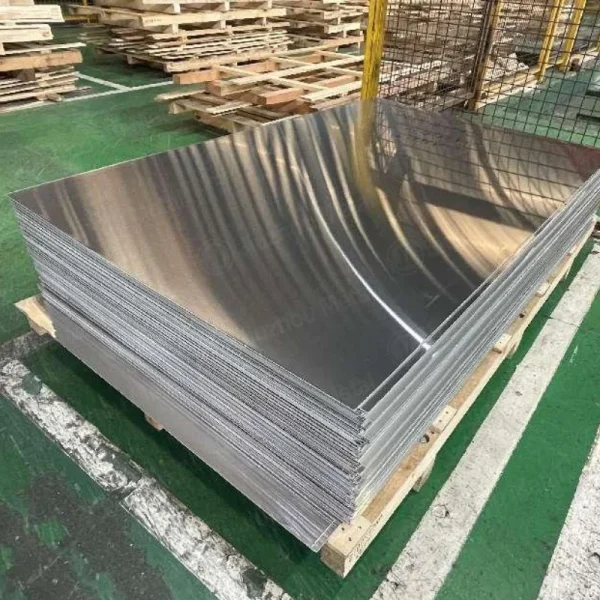
Thermal conductivity of силицијумски челик sheets refers to their capacity to transfer heat per unit time, normally measured in W/(m·K). As a type of electrical steel, its thermal conductivity is affected by silicon content, grain orientation, manufacturing processes and other factors. In general, the thermal conductivity of силицијумски челик sheets ranges from 15 to 40 W/(m·K), and the exact value depends on the specific chemical composition and treatment of the material.
II. Key Factors Influencing Thermal Conductivity
- Silicon content: Rising silicon content reduces thermal conductivity but optimizes electromagnetic properties.
- Grain orientation: Non-oriented силицијумски челик exhibits isotropic thermal conductivity, while grain-oriented silicon steel shows directional differences in heat conduction.
- Thickness: Thinner silicon steel sheets dissipate heat faster locally yet introduce higher overall thermal resistance.
- Surface treatment: Insulating coatings slightly degrade heat transfer efficiency.
III. Practical Considerations of Thermal Conductivity in Motor Design
During the design of motors and transformers, the thermal conductivity of silicon steel sheets directly governs equipment temperature rise and heat dissipation performance. Engineers must strike a balance between electromagnetic performance and heat conduction requirements when selecting appropriate silicon steel grades. Although high-silicon silicon steel delivers low electromagnetic loss, its relatively low thermal conductivity may necessitate additional heat dissipation structures.





 English
  Japanese
  Korean
  French
  German
  Spanish
  Portuguese
  Russian
  Arabic
  Italian
  Turkish
  Dutch
Dutch  Polish
  Swedish
  Danish
  Norwegian
  Finnish
  Greek
Greek  Hungarian
  Czech
Czech  Romanian
  Bulgarian
  Slovenian
  Croatian
  Slovak
  Malay
Malay  Indonesian
  Thai
Thai  Vietnamese
  Myanmar
  Khmer
Khmer  Lao
Lao  Tagalog
  Hindi
Hindi  Bengali
  Urdu
Urdu  Nepali
  Sinhala
  Hebrew
  Ukrainian
  Serbian
  Icelandic
  Swahili