
Will improper annealing burn off the coating of transformer steel
Will Improper Annealing Burn Off the Coating of Transformer Steel?
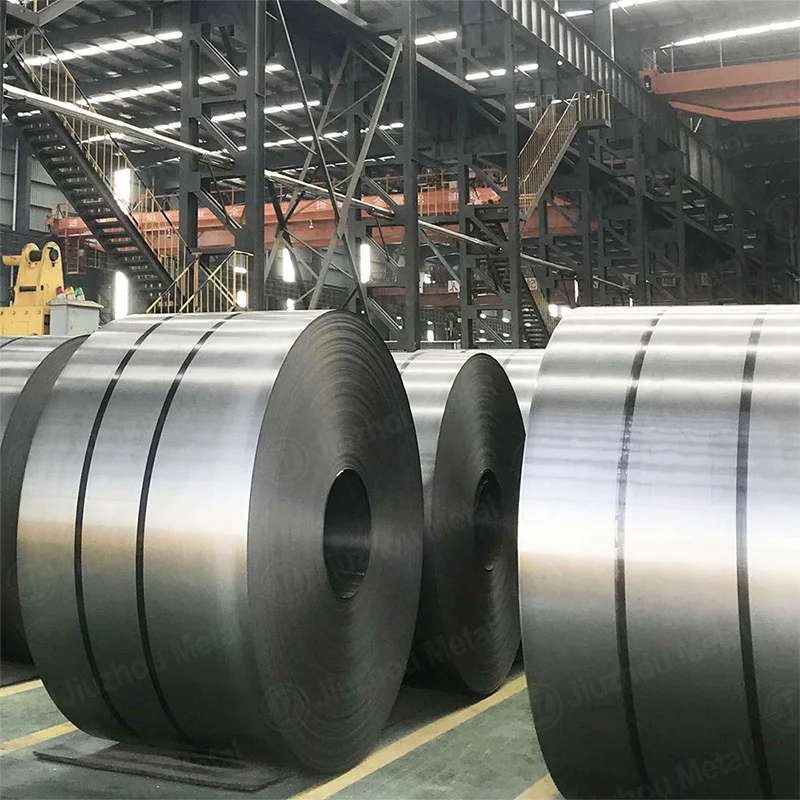
Transformer steel relies on a thin surface coating for performance. This coating, often called insulation or core plate, limits eddy currents. Improper annealing can indeed damage or burn off this layer. However, the outcome depends on temperature, atmosphere, and time. Understanding these factors helps prevent costly failures.
What the Coating Does and Why It Matters
The coating on transformer steel provides electrical resistance between laminations. Without it, eddy currents increase, causing heat and energy loss. Most coatings are inorganic, such as magnesium silicate or aluminum phosphate. These materials tolerate normal annealing cycles. Yet they have limits. Exceeding those limits leads to coating degradation. Therefore, proper process control is essential for core performance.
How Improper Annealing Causes Coating Loss
Improper annealing typically means wrong temperature or atmosphere. For instance, too high a temperature oxidizes or decomposes the coating. A reducing atmosphere can also react with certain coating compounds. In some cases, the coating simply burns away. Other times, it becomes porous or non-adherent. Both results harm insulation resistance. Consequently, the steel may short between layers. This condition reduces efficiency and raises operating temperature.
Key Variables That Determine Coating Survival
Temperature stands as the most critical variable. Most coatings withstand annealing up to about 800°C. Beyond that point, chemical breakdown accelerates. Atmosphere also plays a major role. Air or moisture-rich environments promote oxidation. Conversely, dry hydrogen or nitrogen can be safe for some coatings. Time matters too. Even a safe temperature becomes harmful if held too long. Finally, steel grade and coating type interact. So no single rule fits every case.
Signs That the Coating Has Burned Off
Visual inspection often reveals coating damage. Burned areas may appear dark, blistered, or metallic. A change in surface color indicates oxidation or removal. Electrical tests show lower interlayer resistance. In severe cases, laminations stick together after annealing. That sticking signals coating failure. If you observe these signs, the annealing cycle needs review. Early detection prevents scrapping entire batches.
Practical Steps to Avoid Coating Burn-Off
First, follow the steel supplier’s annealing recommendations. These guidelines specify maximum temperature and atmosphere. Second, use accurate thermocouples and controllers. Third, avoid unnecessary soaking times. Fourth, test a small sample before full production. Fifth, monitor dew point if using hydrogen atmospheres. By taking these steps, you protect the coating and core loss properties. Proper annealing actually improves magnetic performance. Improper annealing destroys the very surface that makes transformer steel useful.
Conclusion: Prevention Protects Performance
Improper annealing can burn off the coating of transformer steel. The risk rises with excessive heat, reactive atmospheres, and long cycles. Yet the damage is preventable. By controlling temperature, atmosphere, and time, you preserve the insulation layer. This preservation maintains low core loss and reliable transformer operation. Always treat annealing as a precision process. The coating is thin, but its role is vital. Protect it, and the steel will perform as designed.





 English
  Japanese
  Korean
  French
  German
  Spanish
  Portuguese
  Russian
  Arabic
  Italian
  Turkish
  Dutch
Dutch  Polish
  Swedish
  Danish
  Norwegian
  Finnish
  Greek
Greek  Hungarian
  Czech
Czech  Romanian
  Bulgarian
  Slovenian
  Croatian
  Slovak
  Malay
Malay  Indonesian
  Thai
Thai  Vietnamese
  Myanmar
  Khmer
Khmer  Lao
Lao  Tagalog
  Hindi
Hindi  Bengali
  Urdu
Urdu  Nepali
  Sinhala
  Hebrew
  Ukrainian
  Serbian
  Icelandic
  Swahili