
What problems will excessively high or low stacking pressure of transformer steel bring
Transformer steel sits at the heart of every power grid. Its performance depends on many factors. One often overlooked factor is stacking pressure. This pressure refers to the force applied to the laminated core. Engineers must control it within a narrow range. Excessively high or low stacking pressure creates serious problems. These issues affect efficiency, noise, and lifespan. This article explains those problems in clear terms. It also offers practical guidance for industrial buyers and maintenance teams.
Why Stacking Pressure Matters for Transformer Steel
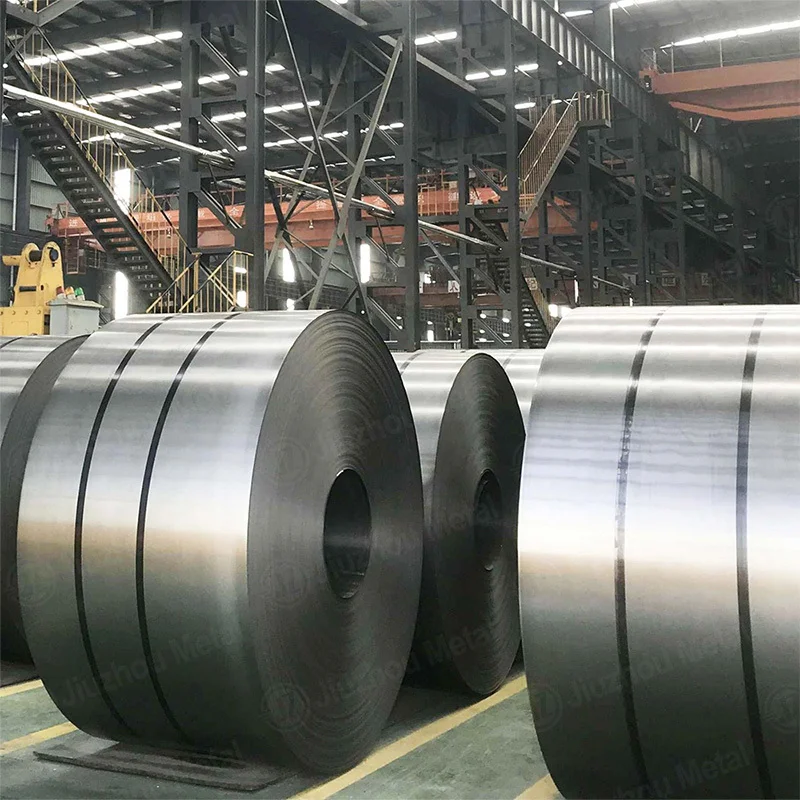
Transformer steel comes in thin sheets called laminations. These sheets stack together to form the magnetic core. The core guides magnetic flux with minimal energy loss. Stacking pressure holds the laminations tightly together. Proper pressure reduces air gaps between sheets. It also prevents movement during operation. However, pressure that strays too far from the ideal range causes harm. The ideal range depends on core size, steel grade, and clamping method. Therefore, precise control is essential for reliable performance.
Problems from Excessively High Stacking Pressure
High pressure crushes the insulation coating on transformer steel. This coating separates each lamination electrically. When it breaks down, eddy currents increase sharply. As a result, core losses rise and heat builds up. Excessive heat accelerates aging of the insulation. It also reduces the steel’s magnetic permeability. In addition, high pressure creates mechanical stress inside the laminations. This stress causes magnetostriction to worsen. Magnetostriction makes the core vibrate and produce noise. Over time, vibration can crack the steel or loosen clamps. Furthermore, high pressure makes assembly difficult and raises labor costs. It may also deform the core shape and harm winding alignment.
Problems from Excessively Low Stacking Pressure
Low pressure leaves gaps between transformer steel laminations. These gaps increase magnetic reluctance in the core. Higher reluctance means more current is needed to create flux. Consequently, no-load losses and excitation current go up. The transformer runs hotter and less efficiently. Low pressure also allows laminations to shift and rub. Friction wears away the insulation coating over time. This wear leads to short circuits between sheets. In addition, loose laminations vibrate more freely. The resulting noise can exceed environmental limits. For utility companies, that noise often triggers complaints. Low pressure may also cause the core to buckle during short circuits. Such buckling permanently damages the transformer steel.
Finding the Right Stacking Pressure for Transformer Steel
Manufacturers specify a target pressure range for each core design. This range balances magnetic performance with mechanical stability. Technicians should use calibrated hydraulic presses or torque wrenches. They must measure pressure at multiple points across the core. Uneven pressure creates local hot spots and noise. Regular inspection of clamps and bolts is also necessary. During maintenance, workers should check for loose laminations. They should also look for signs of coating damage. If pressure drifts, adjustment should follow the original equipment manual. Never guess the correct value. Always rely on engineering data and quality control records.
Conclusion: The Business Value of Controlled Pressure
Stacking pressure directly affects transformer reliability and operating cost. Too high or too low pressure brings distinct problems. High pressure destroys insulation and increases noise. Low pressure raises losses and allows vibration. Both extremes shorten service life and raise energy bills. For asset managers, controlling this pressure is a simple yet powerful action. It improves efficiency, reduces maintenance, and meets noise regulations. It also protects a critical investment in the power infrastructure. Therefore, treat stacking pressure as a key quality parameter. Monitor it, document it, and correct it whenever needed. This practice delivers long-term value for any organization that relies on transformer steel.




 English
  Japanese
  Korean
  French
  German
  Spanish
  Portuguese
  Russian
  Arabic
  Italian
  Turkish
  Dutch
Dutch  Polish
  Swedish
  Danish
  Norwegian
  Finnish
  Greek
Greek  Hungarian
  Czech
Czech  Romanian
  Bulgarian
  Slovenian
  Croatian
  Slovak
  Malay
Malay  Indonesian
  Thai
Thai  Vietnamese
  Myanmar
  Khmer
Khmer  Lao
Lao  Tagalog
  Hindi
Hindi  Bengali
  Urdu
Urdu  Nepali
  Sinhala
  Hebrew
  Ukrainian
  Serbian
  Icelandic
  Swahili