
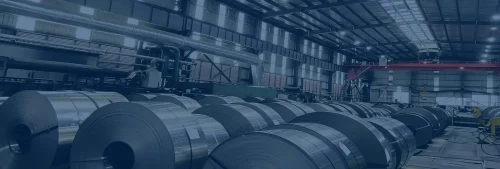
Industry Development Trend of Electrical Steel Under Energy Conservation Policies
Global energy conservation policies reshape the entire electrical steel industry in recent years. Governments worldwide launch strict carbon neutrality goals and power efficiency standards. These rules directly drive upgrades for electrical steel production and application scenarios. Electrical steel serves as the core magnetic material for power equipment and new energy devices. Its performance determines the energy consumption level of the whole power system.
First, policy tightening pushes low-loss electrical steel to replace traditional steel products. Many countries eliminate low-grade electrical steel for power transformers and motors. New energy efficiency standards raise the threshold for no-load loss and operating loss. Thus, ultra-low core loss electrical steel becomes the mainstream market demand. Manufacturers gradually phase out backward hot-rolled electrical steel production lines.
Second, industrial upgrading accelerates the localization of high-end electrical steel. Previously, high magnetic induction electrical steel relied heavily on imported materials. Current energy policies encourage domestic technological breakthroughs and industrial iteration. Local steel enterprises expand investment in grain-oriented electrical steel research. They also optimize production processes to stabilize product consistency.
Third, new energy expansion boosts diversified electrical steel application demands. Wind power, photovoltaic and energy storage industries need massive power transformers and reactors. New energy grids require high-stability electrical steel to adapt fluctuating power loads. This trend expands the market scale of high-performance electrical steel year by year.
Fourth, green production becomes a core assessment standard for electrical steel factories. Energy conservation policies restrict high-emission smelting and rolling processes. Steel manufacturers adopt low-carbon smelting and clean annealing technologies. These measures reduce carbon footprints during electrical steel production. Green production capacity now gains policy subsidies and market priority.
Fifth, product refinement and customization become new industry competitive points. General electrical steel products face oversupply and low profit margins. Meanwhile, customized electrical steel for special scenarios shows market shortages. Scenarios include high-frequency new energy motors and ultra-high voltage power equipment. Professional customized electrical steel creates new profit growth space.
In conclusion, the electrical steel industry enters a high-quality development era driven by energy policies. Low loss, high efficiency, green production and customized service define future industrial directions. Enterprises must focus on technological innovation and green transformation. Only such strategies can adapt to global energy conservation trends and capture long-term market dividends.





 English
  Japanese
  Korean
  French
  German
  Spanish
  Portuguese
  Russian
  Arabic
  Italian
  Turkish
  Dutch
Dutch  Polish
  Swedish
  Danish
  Norwegian
  Finnish
  Greek
Greek  Hungarian
  Czech
Czech  Romanian
  Bulgarian
  Slovenian
  Croatian
  Slovak
  Malay
Malay  Indonesian
  Thai
Thai  Vietnamese
  Myanmar
  Khmer
Khmer  Lao
Lao  Tagalog
  Hindi
Hindi  Bengali
  Urdu
Urdu  Nepali
  Sinhala
  Hebrew
  Ukrainian
  Serbian
  Icelandic
  Swahili