

Comprehensive Analysis of Rust Root Causes and Anti-Rust Solutions for Silicon Steel Sheets
Rust on silicijevo jeklo sheets directly impairs their electromagnetic performance and mechanical strength, primarily triggered by ambient humidity and improper storage conditions. This article systematically analyzes rust formation mechanisms and offers targeted recommendations for anti-rust products and solutions.
I. Analysis of Root Causes of Rust
Ambient humidity is the primary factor leading to silicijevo jeklo corrosion. When relative humidity exceeds 60%, a thin water film forms on the surface of cold-rolled silicijevo jeklo, initiating electrochemical corrosion.
💡 Key Distinction: Non-oriented silicon steel has rougher surfaces that trap moisture far more easily than grain-oriented silicon steel.
Improper storage accelerates corrosion, with typical problematic practices listed below:
- Outdoor storage or poorly ventilated warehouses
- Co-storage with corrosive substances such as acids and alkalis
- Direct stacking without anti-rust packaging materials
📌 Note: Hot-rolled silicon steel features a thicker native oxide layer, delivering superior short-term corrosion resistance compared to cold-rolled grades.
II. Anti-Rust Measures
Controlling storage environment forms the foundational anti-corrosion measure. Ideal storage parameters are as follows:
- Relative humidity maintained between 45% and 55%
- Ambient temperature kept within 10–30 °C
- Wrapping with anti-rust film prior to warehousing
✅ Reliable Practice: Nitrogen-filled packaging is recommended for high-end grades such as high-magnetic-induction silicon steel.
Periodic surface treatment creates an active protective barrier. Select treatments according to service duration:
- Short-term protection: Volatile corrosion inhibitors
- Medium-term protection: Anti-rust oil coating
- Long-term protection: Specialized anti-rust paint for silicon steel
⚠️ Critical Reminder: Low-core-loss silicon steel is pre-coated with insulating films; only chemically compatible anti-rust agents may be used.
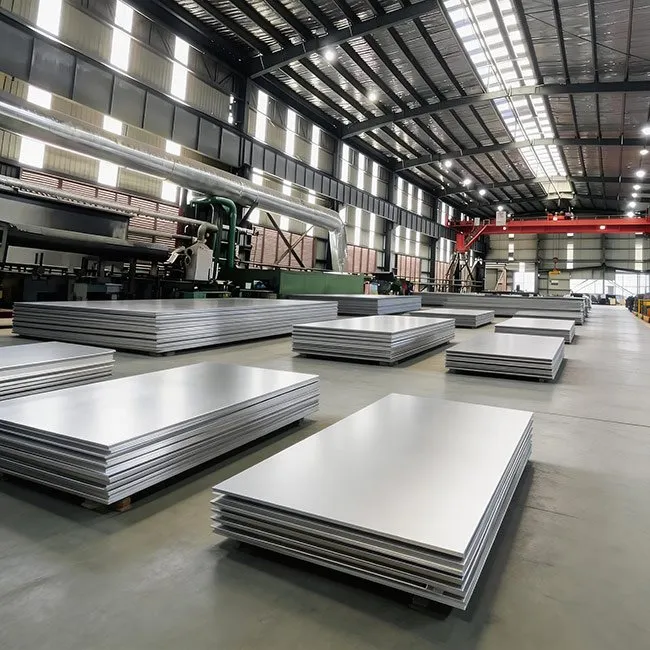
III. Selection of Anti-Rust Products
Three core dimensions shall be evaluated when choosing anti-rust agents:
- Silicon steel type (grain-oriented / non-oriented)
- Planned storage duration
- Requirements of subsequent machining processes
🔍 Core Difference: Water-based anti-rust agents suit workpieces requiring post-process spot welding, while oil-based anti-rust oils are better for long-term sealed preservation.
Transportation protection is equally critical:
- Moisture-proof anti-rust packaging mandatory for sea freight
- Shock-resistant vapor corrosion inhibitor film recommended for land transportation
- Export-grade products must pass salt spray testing
💡 Selection Criterion: The vapor-phase corrosion inhibitor content of anti-rust film directly determines its effective protection lifespan.
IV. Alternative Anti-Corrosion Solutions
For severely corrosive operating environments, the following alternatives are available:
- Corrosion-resistant silicon steel: Alloyed with copper, nickel and other elements
- Pre-coated silicon steel: Pre-finished with organic or inorganic protective coatings
📌 Note: Such materials carry higher upfront costs yet cut long-term maintenance expenses.
The optimal anti-rust solution balances three factors: protection efficiency, budget constraints and process compatibility. For short-term storage, environmental humidity control suffices; long-term sealed preservation requires combined use of anti-rust chemicals and corrosion-resistant base materials.





 English
  Japanese
  Korean
  French
  German
  Spanish
  Portuguese
  Russian
  Arabic
  Italian
  Turkish
  Dutch
Dutch  Polish
  Swedish
  Danish
  Norwegian
  Finnish
  Greek
Greek  Hungarian
  Czech
Czech  Romanian
  Bulgarian
  Slovenian
  Croatian
  Slovak
  Malay
Malay  Indonesian
  Thai
Thai  Vietnamese
  Myanmar
  Khmer
Khmer  Lao
Lao  Tagalog
  Hindi
Hindi  Bengali
  Urdu
Urdu  Nepali
  Sinhala
  Hebrew
  Ukrainian
  Serbian
  Icelandic
  Swahili