
Nerjaveče jeklo v primerjavi s silicijevim jeklom: ključne razlike, lastnosti, uporaba in stroški
10. avgust 2026
Novice
Nerjaveče jeklo v primerjavi s silicijevim jeklom: ključne razlike, lastnosti, uporaba in stroški
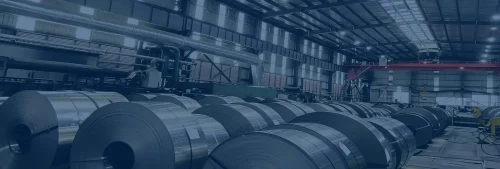
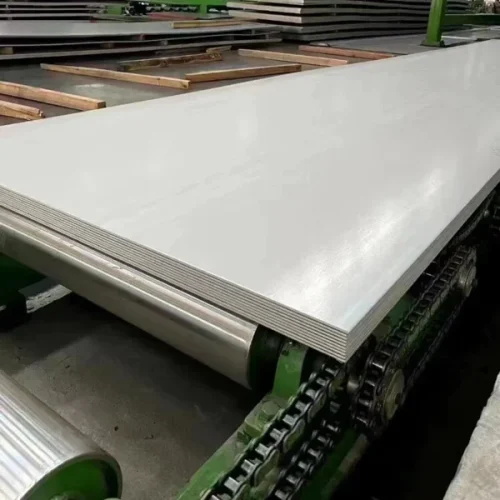
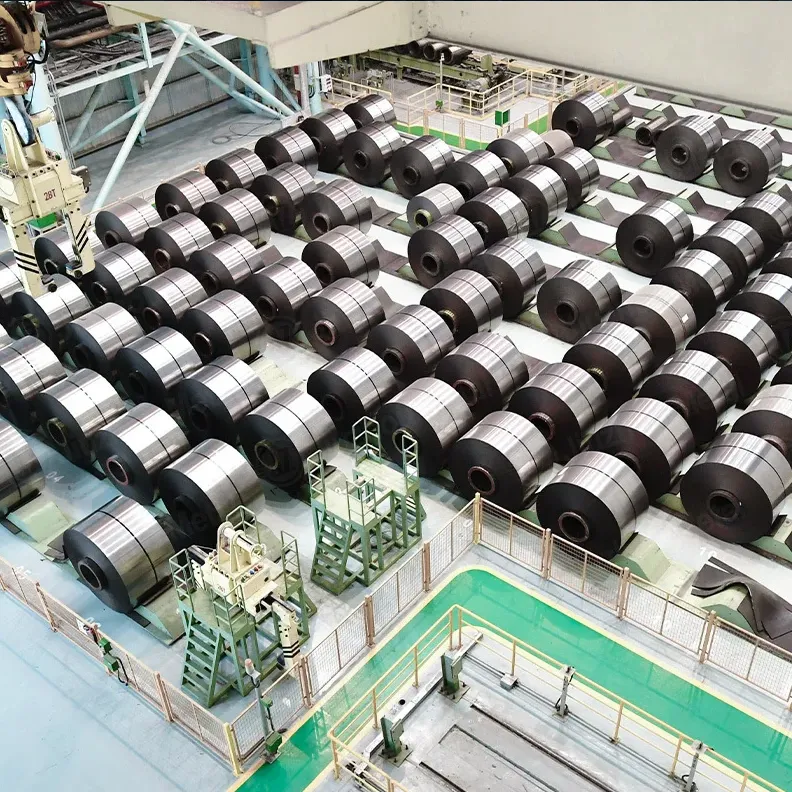
Stainless steel and silicon steel (electrical steel) are two widely used industrial steel alloys with completely distinct compositions, physical properties, and application scenarios. Many buyers, engineers, and manufacturers often confuse these two materials due to their metallic steel base. To help you select the right steel material for industrial, electrical, structural, and commercial projects, this guide comprehensively compares stainless steel and silicon steel in terms of composition, grades, thickness, core properties, applications, manufacturing, and cost.
1. Chemical Composition Differences
The fundamental difference between stainless steel and silicon steel lies in their chemical composition, which directly determines their unique performance characteristics and industrial uses.
What Is Stainless Steel?
Stainless steel is a corrosion-resistant iron-based alloy consisting of iron, carbon, and a minimum of 10.5% chromium by weight. Chromium is the core alloying element that forms a protective passive chromium oxide film on the steel surface, preventing rust and chemical corrosion.
To optimize mechanical and chemical performance, manufacturers add secondary elements including nickel, molybdenum, manganese, and nitrogen to different stainless steel grades. These additives enhance tensile strength, ductility, high-temperature oxidation resistance, and acid-alkali corrosion resistance for specialized industrial environments.
What Is Silicon Steel (Electrical Steel)?
Silicon steel, commonly known as električno jeklo, is a functional iron-silicon alloy designed exclusively for electromagnetic applications. Its main components are iron and 1%–6.5% silicon, with trace carbon and manganese elements.
The high silicon content significantly increases the steel’s electrical resistivity and magnetic permeability, while reducing eddy current loss and hysteresis loss. This unique composition makes silicon steel the core material for energy-efficient electrical equipment.

2. Common Grades & Classification
Stainless steel and silicon steel adopt entirely different classification standards based on microstructure and functional requirements, with mature grade systems for diverse application demands.
Stainless Steel Grades
Stainless steel is categorized into five mainstream series according to internal metallographic structure, covering most daily and industrial usage scenarios:
-
Austenitic Stainless Steel: The most widely used grade series, including 304, 316, and 321. Features excellent corrosion resistance, ductility, and weldability, suitable for general industrial and civil use.
-
Martensitic Stainless Steel: Representative grades 410, 420, and 440C. Boasts high hardness and wear resistance after heat treatment, ideal for mechanical parts and tool manufacturing.
-
Ferritic Stainless Steel: Typical grades 430 and 443. Offers good oxidation resistance and cost performance, commonly used for household appliances and decorative materials.
-
Duplex Stainless Steel: Classic grades 2205 and 2207. Combines the advantages of austenitic and ferritic steel, with high strength and superior chloride corrosion resistance for marine and chemical engineering fields.
-
Precipitation-Hardening Stainless Steel: High-strength special grades including 17-4PH (05Cr17Ni4Cu4Nb) and 630 aviation-grade stainless steel, widely applied in aerospace and high-precision mechanical equipment.
Silicon Steel Grades
Silicon steel is classified into two core types based on grain orientation, tailored for different electromagnetic working conditions:
-
Grain-Oriented Silicon Steel (GO Silicon Steel): Manufactured with aligned grain structures to maximize magnetic flux conductivity in a single direction. It features ultra-low magnetic loss and high magnetic conductivity, specially optimized for directional magnetic field equipment such as high-efficiency power transformers.
-
Non-Grain-Oriented Silicon Steel (NGO Silicon Steel): Has randomly distributed crystalline grains, providing consistent magnetic performance in all directions. It is the preferred material for motors, generators, and inductors with multidirectional magnetic field operation.
3. Thickness Specifications
There is a huge gap in the thickness range of stainless steel and silicon steel, determined by their core application scenarios.
Silicon Steel Thickness
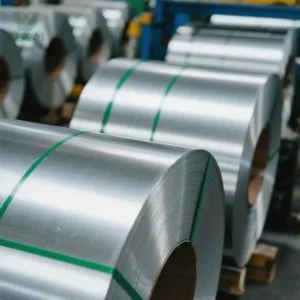
To minimize eddy current energy loss in electromagnetic operation, silicon steel is produced exclusively as ultra-thin sheets and laminations. Its conventional thickness does not exceed 1.0mm, with mainstream specifications of 0.23mm, 0.27mm, 0.35mm, and 0.5mm. The thin-sheet structure ensures efficient energy conversion for electrical equipment, which is irreplaceable in power system manufacturing.
Stainless Steel Thickness
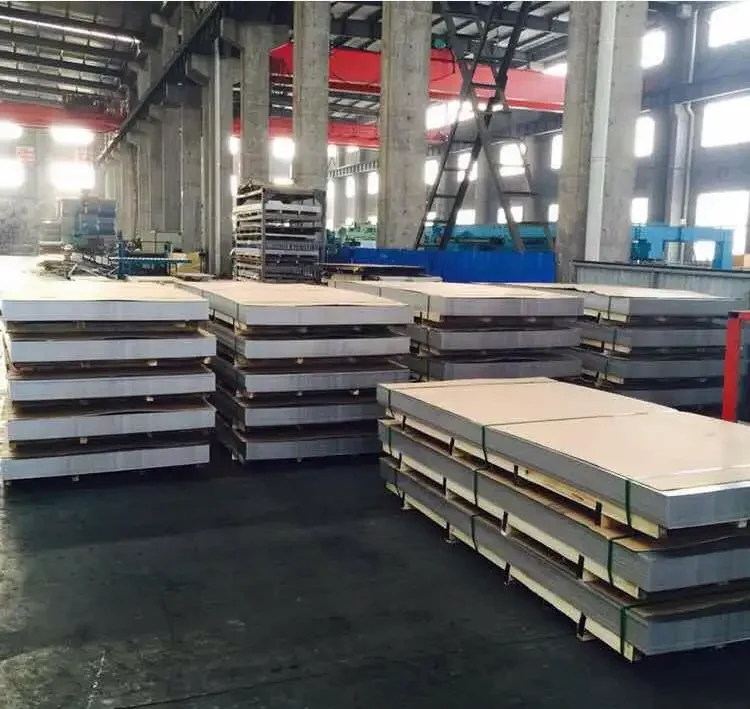
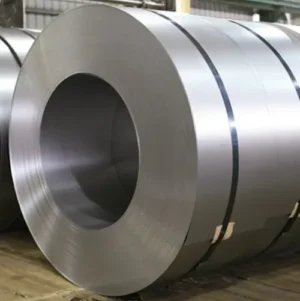
Stainless steel has an extremely wide thickness coverage, ranging from 0.02mm ultra-thin foil to 100mm thick plates. Ultra-thin stainless steel foil (0.02mm) is used for precision electronics and sealing materials, while medium-thick stainless steel plates (up to 50mm, such as 904L medium thick plates) are applied for structural support and anti-corrosion equipment. The diverse thickness options enable stainless steel to adapt to thousands of industrial and civil scenarios.
4. Core Performance Properties Comparison
The two steel materials show obvious differences in corrosion resistance, magnetic properties, and mechanical strength, forming their respective competitive advantages in the industry.
Corrosion Resistance
Stainless steel has far superior corrosion resistance compared with silicon steel. The high chromium content forms a dense, self-repairing chromium oxide passive layer on the surface, effectively isolating oxygen, moisture, and chemical corrosives. It can resist rust, oxidation, and acid-alkali corrosion in harsh marine, chemical, and high-humidity environments.
In contrast, silicon steel has almost no anti-corrosion performance. Its core design focuses on electromagnetic functions rather than chemical stability, and it is prone to oxidation and rust in humid environments without protective treatment.
Magnetic Properties
Silicon steel is a professional soft magnetic material with high magnetic permeability, low hysteresis loss, and low eddy current loss. Its optimized silicon content enables efficient magnetic flux conduction, greatly improving the energy conversion efficiency of transformers, motors, and generators, making it the most essential material in the power industry.
Most stainless steel grades (especially austenitic 304/316) are non-magnetic or weakly magnetic. Its alloy structure disrupts magnetic domain alignment, resulting in extremely poor electromagnetic conductivity. It cannot replace silicon steel in electrical equipment manufacturing.
Mechanical Strength & Durability
Stainless steel features high tensile strength, excellent wear resistance, and deformation resistance. It can withstand high mechanical stress and extreme working conditions, serving as a key structural material for construction, automotive, and aerospace industries with long service life and high stability.
Silicon steel has basic mechanical strength to support lamination processing and equipment assembly, but it is not designed for high-stress structural scenarios. Its mechanical performance is only sufficient for low-load electrical equipment operation, with no structural bearing capacity.
5. Industrial Applications
Due to their distinct performance advantages, stainless steel and silicon steel serve completely different industrial fields with no overlapping mainstream applications.
Stainless Steel Applications
Relying on excellent corrosion resistance and mechanical durability, stainless steel is widely used in civil and industrial fields requiring stability and safety:
-
Construction industry: Building facades, bridge structures, corrosion-resistant support components
-
Food & beverage industry: Food processing equipment, kitchen appliances, cutlery, cookware
-
Medical industry: Surgical tools, medical instruments, sterile equipment components
-
Chemical industry: Anti-corrosion reactors, storage tanks, chemical processing pipelines
-
Advanced manufacturing: Automotive parts, aerospace structural components
Silicon Steel Applications
As a dedicated electrical functional material, silicon steel is concentrated in the power and electronic manufacturing industry, mainly used to produce electromagnetic equipment cores:
-
Power equipment: Transformer cores, generator cores, large-scale power inductors
-
Electrical machinery: Industrial motors, household appliance motors, precision electromagnetic components
-
Energy-saving equipment: Low-loss electromagnetic devices supporting industrial energy conservation and efficiency improvement
Can Stainless Steel Replace Silicon Steel in Electrical Applications?
No, stainless steel cannot replace silicon steel for electrical equipment manufacturing. Although individual stainless steel grades have weak magnetic properties, their magnetic permeability and energy loss indicators are far inferior to professional silicon steel. Using stainless steel as transformer or motor core materials will lead to extremely low equipment efficiency, severe heat generation, and shortened service life, failing to meet industrial power operation standards.
6. Manufacturing Process & Cost Comparison
Manufacturing Characteristics
Stainless steel contains high-value alloy elements such as chromium and nickel, requiring precise smelting, rolling, and surface treatment processes to maintain stable corrosion resistance and mechanical properties. The complex manufacturing process and high raw material requirements increase its production difficulty.
Silicon steel needs professional post-processing such as annealing to optimize internal grain structure and reduce magnetic loss. Although the processing technology is specialized, its raw material composition is simple with no precious alloy elements.
Cost Level
Stainless steel has a higher overall cost due to expensive alloy raw materials and high-precision manufacturing costs. Silicon steel features lower raw material and production costs, with higher cost performance for large-scale power equipment manufacturing.
7. Key Differences Summary Table
The table below intuitively summarizes the core differences between stainless steel and silicon steel for quick reference and material selection:
|
Items/Characteristics
|
Stainless Steel
|
Silicijevo jeklo
|
|---|---|---|
|
Core Composition
|
Iron, carbon, minimum 10.5% chromium (plus nickel/molybdenum)
|
Iron + 1%–6.5% silicon
|
|
Thickness Range
|
0.02mm – 100mm (full thickness coverage)
|
Below 1.0mm (ultra-thin sheet only)
|
|
Corrosion Resistance
|
Excellent, rust & chemical corrosion resistant
|
Poor, prone to oxidation and rust
|
|
Magnetic Properties
|
Most grades non-magnetic, poor electromagnetic conductivity
|
High magnetic permeability, low loss, excellent magnetic performance
|
|
Mechanical Strength
|
High strength, wear-resistant, durable for high-stress scenarios
|
Basic adequate strength, not suitable for structural load-bearing
|
|
Primary Applications
|
Construction, aerospace, medical, food processing, chemical industry
|
Transformers, electric motors, generators, electromagnetic equipment
|
|
Overall Cost
|
Higher
|
Lower
|
Zaključek
Stainless steel and silicon steel are both indispensable functional materials in modern manufacturing, but they serve completely different industrial purposes. Stainless steel is a high-performance structural and anti-corrosion material valued for its excellent corrosion resistance and mechanical stability, adapting to complex and harsh structural and environmental scenarios. Silicon steel is a professional electromagnetic functional material designed specifically for high-efficiency power conversion, supporting the stable and energy-saving operation of global power systems.
Clarifying the differences between stainless steel and silicon steel helps engineers, purchasers, and manufacturers select the most suitable material for specific projects, ensuring optimal equipment performance, long service life, and reasonable cost control.





 English
  Japanese
  Korean
  French
  German
  Spanish
  Portuguese
  Russian
  Arabic
  Italian
  Turkish
  Dutch
Dutch  Polish
  Swedish
  Danish
  Norwegian
  Finnish
  Greek
Greek  Hungarian
  Czech
Czech  Romanian
  Bulgarian
  Slovenian
  Croatian
  Slovak
  Malay
Malay  Indonesian
  Thai
Thai  Vietnamese
  Myanmar
  Khmer
Khmer  Lao
Lao  Tagalog
  Hindi
Hindi  Bengali
  Urdu
Urdu  Nepali
  Sinhala
  Hebrew
  Ukrainian
  Serbian
  Icelandic
  Swahili