

Which CRGO grades are currently the most in demand?
Introduction
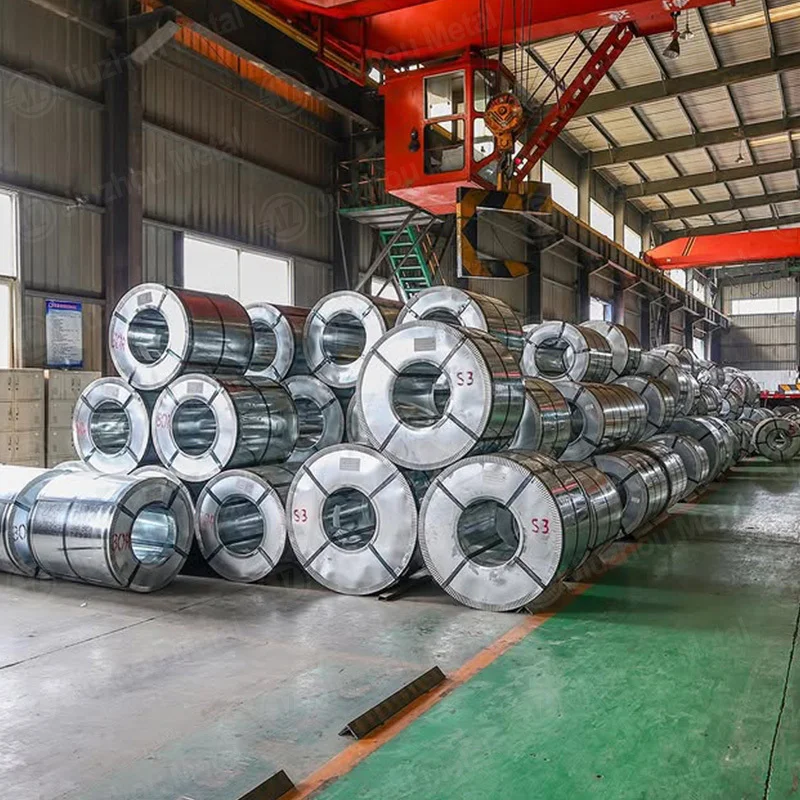
Demand for cold-rolled grain-oriented (CRGO) electrical steel keeps shifting. Power utilities and transformer makers watch these changes closely. Several grades now stand out in the global market. Their popularity ties directly to grid upgrades and energy rules. This article reviews which CRGO grades are currently the most in demand. It also explains the business reasons behind their strong pull.
High-Permeability Grades Lead the Market
High-permeability CRGO grades now rank as the most sought-after. These materials carry labels such as M0H, M1H, and M2H. They offer very low core loss under high magnetic fields. As a result, transformer makers prefer them for large power units. For instance, M0H grade delivers the lowest loss among common CRGO types. Consequently, utilities choose it for high-efficiency transformers. The push for green energy further lifts this demand. Renewable projects need transformers that waste less power. Therefore, high-permeability grades see steady order growth.
Laser-Scribed Grades Gain Ground
Laser-scribed CRGO grades also enjoy strong demand. These grades include M0L, M1L, and similar variants. A laser creates thin lines on the steel surface. This process reduces domain wall spacing and cuts core loss. As a result, laser-scribed grades improve efficiency by another step. Many Asian and European buyers now ask for them. They suit compact transformer designs with tight loss limits. In addition, new efficiency rules in the US and EU favor these grades. Hence, laser-scribed CRGO remains a top pick for premium projects.
Conventional Grades Stay Relevant
Conventional CRGO grades still hold a solid share. Common examples are M3, M4, M5, and M6. These grades cost less than high-permeability types. Therefore, they fit distribution transformers and small power units. Many developing markets rely on them for grid expansion. At the same time, some buyers use them in less critical applications. For example, M4 grade appears in standard distribution transformers. Even so, demand for conventional grades grows more slowly. The reason is simple: efficiency rules keep getting stricter. Thus, buyers slowly shift toward better grades.
Regional Demand Patterns Matter
Demand for CRGO grades varies by region. In Asia, high-permeability and laser-scribed grades lead. China, India, and Japan invest in ultra-high-voltage grids. These projects need the lowest possible core loss. In Europe, similar trends appear due to carbon targets. Germany and France favor M0H and M1H for grid upgrades. Meanwhile, North America shows mixed demand. The US buys both conventional and high-permeability grades. Old grid parts need standard grades for repairs. New projects, however, push toward premium grades. Consequently, suppliers must match local needs.
Supply and Price Pressures Shape Choices
Supply limits also affect which CRGO grades are most in demand. High-permeability and laser-scribed lines require complex production. Only a few mills can make them at scale. As a result, lead times for M0H and M0L stay long. Prices for these grades remain higher than conventional ones. Even so, buyers keep ordering them. The reason is that energy savings pay back the extra cost. In contrast, conventional grades face more competition. Many mills produce M4 and M5 with ease. Therefore, their prices stay lower and supply is more stable.
Záver
High-permeability CRGO grades currently top the demand list. Laser-scribed grades follow closely behind. Conventional grades still matter but face slower growth. Regional rules and grid projects drive these patterns. Buyers should track efficiency laws and supply lead times. By doing so, they can choose the right CRGO grade for each project. The market will keep rewarding those who plan ahead.







 English
  Japanese
  Korean
  French
  German
  Spanish
  Portuguese
  Russian
  Arabic
  Italian
  Turkish
  Dutch
Dutch  Polish
  Swedish
  Danish
  Norwegian
  Finnish
  Greek
Greek  Hungarian
  Czech
Czech  Romanian
  Bulgarian
  Slovenian
  Croatian
  Slovak
  Malay
Malay  Indonesian
  Thai
Thai  Vietnamese
  Myanmar
  Khmer
Khmer  Lao
Lao  Tagalog
  Hindi
Hindi  Bengali
  Urdu
Urdu  Nepali
  Sinhala
  Hebrew
  Ukrainian
  Serbian
  Icelandic
  Swahili