

Is load loss related to transformer steel
Introduction
Transformer steel plays a central role in power distribution. It forms the magnetic core of many transformers. However, engineers often ask a key question. Is load loss related to transformer steel? The answer is not a simple yes or no. Load loss depends on several factors. Yet transformer steel has a clear influence. This article examines that relationship carefully. It explains where steel matters and where it does not. The goal is to provide a balanced technical view.

What Load Loss Means in Practice
Load loss occurs when current flows through transformer windings. It is also called copper loss or winding loss. This loss changes with the square of the load current. So it rises when the transformer carries more power. Load loss appears mainly as heat in the conductors. It does not come from the magnetic core directly. Therefore, many people assume steel is irrelevant. That assumption is partly correct but incomplete.
The Primary Role of Transformer Steel
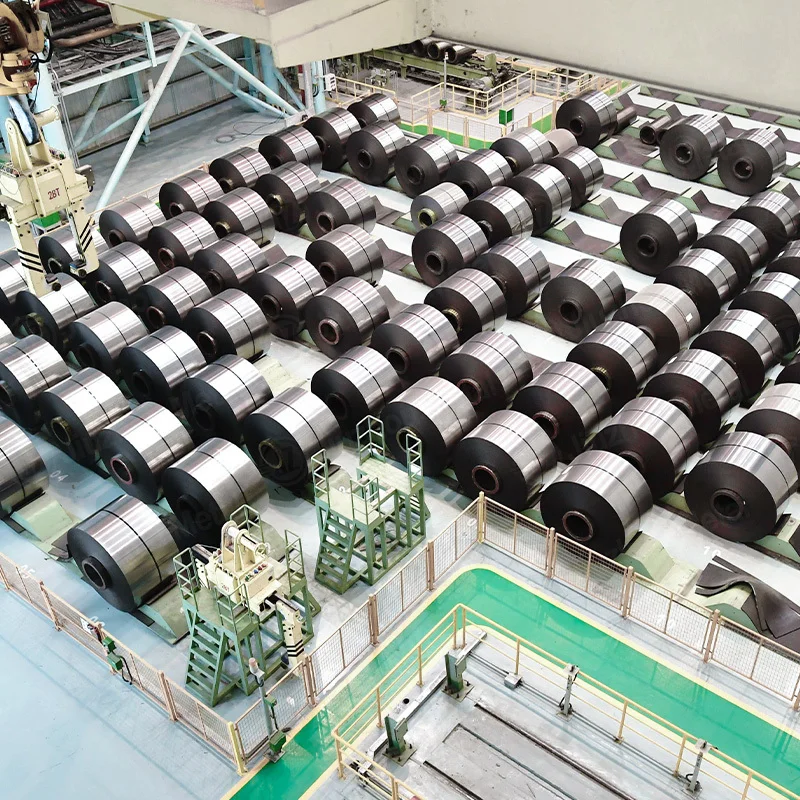
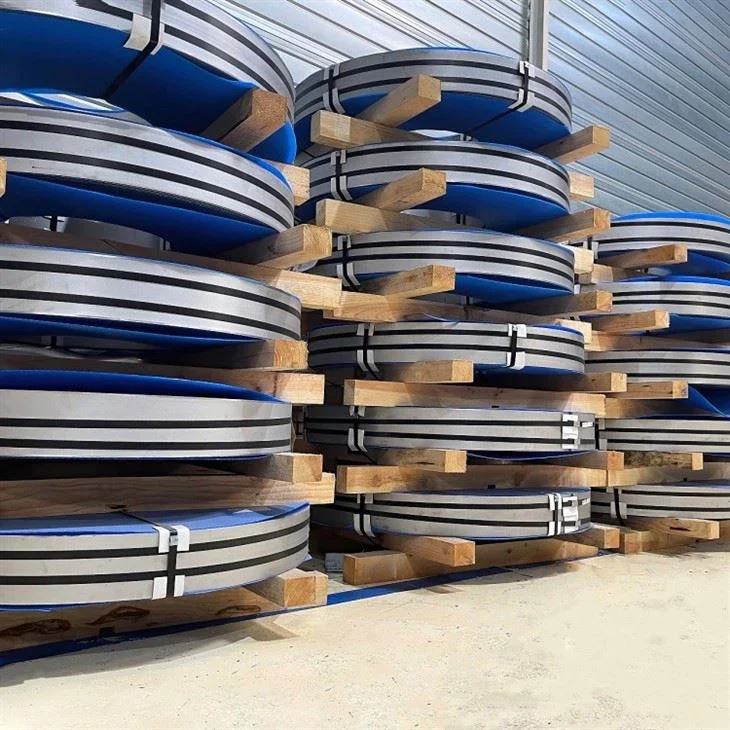
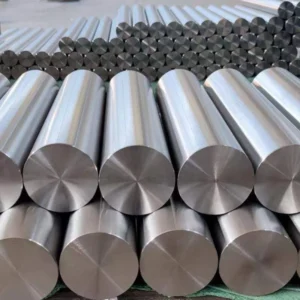
Transformer steel is a special magnetic material. It guides magnetic flux inside the core. This flux links the primary and secondary windings. Good steel reduces hysteresis and eddy current losses. These are called no-load losses or iron losses. They exist even when no load is connected. So transformer steel mainly affects no-load loss. Its direct effect on load loss is small by comparison. Yet the story does not end there.
Indirect Links Between Steel and Load Loss
Steel properties can influence load loss in indirect ways. For example, a core with low losses allows a more compact design. That design may change winding geometry. Shorter windings can reduce resistance. Lower resistance then lowers load loss. In addition, better steel can reduce stray flux. Stray flux can cause extra eddy currents in windings. Those currents add to load loss. So steel quality can have a secondary impact.
When Load Loss Is Mostly Independent
In most standard transformers, load loss is driven by winding design. Conductor size, material, and length matter most. The number of turns also plays a large role. Temperature affects resistance and therefore loss. These factors do not depend on transformer steel. As a result, two transformers with different steel grades can have similar load loss. Their no-load loss will differ greatly. This distinction is important for buyers and engineers.
Design Trade-offs and Practical Choices
Engineers balance many goals during design. They want low total loss and low cost. They also need acceptable size and weight. High-grade transformer steel reduces no-load loss. That allows a smaller core or fewer turns. Fewer turns can lower winding resistance. Lower resistance reduces load loss. However, high-grade steel costs more. So the final design reflects a trade-off. Steel selection indirectly shapes load loss through these choices.
Measurement and Testing Considerations
Standard tests separate load loss from no-load loss. The open-circuit test measures iron loss. The short-circuit test measures load loss. During the short-circuit test, the core flux is very low. So transformer steel has little effect on the result. This confirms that load loss is mainly a winding property. Any steel influence appears only through design changes. Test data usually support this conclusion.
Conclusion and Practical Value
Is load loss related to transformer steel? The direct link is weak. Load loss comes mainly from winding resistance and current. Transformer steel controls no-load loss instead. Yet steel can affect load loss indirectly. It does so by enabling different winding designs. Better steel may allow shorter or thicker windings. That can reduce load loss in real products. For buyers, the key is to evaluate total loss. For engineers, the key is to optimize the whole design. Understanding this relationship supports better decisions. It also prevents misplaced expectations about steel performance.



 English
  Japanese
  Korean
  French
  German
  Spanish
  Portuguese
  Russian
  Arabic
  Italian
  Turkish
  Dutch
Dutch  Polish
  Swedish
  Danish
  Norwegian
  Finnish
  Greek
Greek  Hungarian
  Czech
Czech  Romanian
  Bulgarian
  Slovenian
  Croatian
  Slovak
  Malay
Malay  Indonesian
  Thai
Thai  Vietnamese
  Myanmar
  Khmer
Khmer  Lao
Lao  Tagalog
  Hindi
Hindi  Bengali
  Urdu
Urdu  Nepali
  Sinhala
  Hebrew
  Ukrainian
  Serbian
  Icelandic
  Swahili