

How to quickly identify the rolling direction of transformer steel
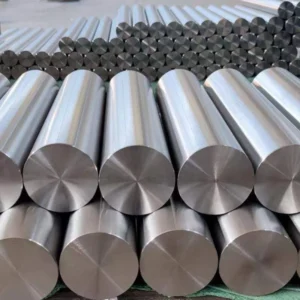
Transformer steel plays a vital role in electrical equipment. Its rolling direction affects magnetic performance. Therefore, identifying that direction quickly saves time and reduces errors. This article explains practical methods to find the rolling direction. It also covers simple tools and visual cues. By the end, you will know how to locate it efficiently.
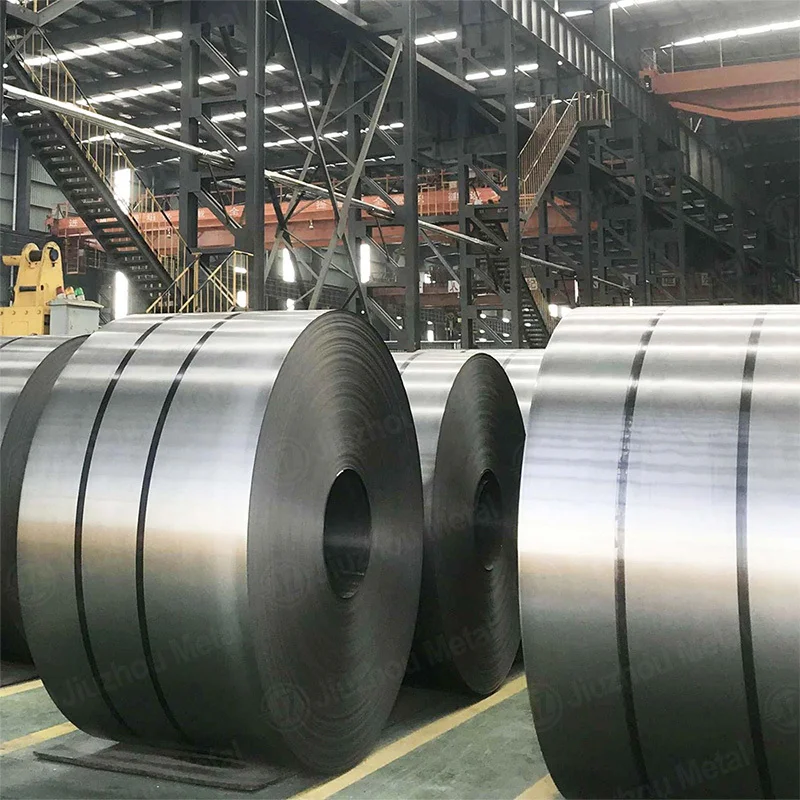
Why Rolling Direction Matters for Transformer Steel
Grain-oriented transformer steel has strong magnetic properties along one axis. This axis aligns with the rolling direction. When you install laminations correctly, core losses drop. Energy efficiency then improves. If the direction is wrong, performance suffers. Heat may increase, and noise can rise. Consequently, quick identification protects both quality and cost.
Visual Inspection of Surface Patterns
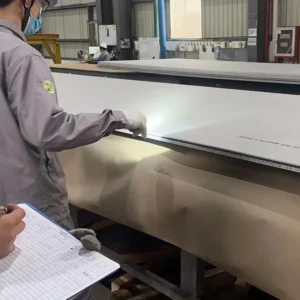
First, look closely at the steel surface. Rolled steel often shows faint lines or streaks. These lines run parallel to the rolling direction. Under good light, tilt the sheet slightly. A subtle sheen or texture may appear. That sheen usually follows the rolling axis. However, some coatings hide these marks. In that case, move to other methods.
Using a Magnet to Find the Rolling Direction
A simple magnet offers a reliable test. Place the magnet on a clean steel surface. Then rotate it slowly by hand. The magnet will resist rotation more in one direction. That direction often matches the rolling direction. Why? Because magnetic domains align easily along the rolling axis. For best results, use a small strong magnet. Repeat the test at several spots. Consistency confirms the finding.
The Bend Test for Quick Checks
Bending a small sample can also reveal the direction. Cut a narrow strip if allowed. Bend it gently along one axis. Then bend another strip across that axis. The rolling direction usually bends more smoothly. Cracks or rough edges appear sooner in the cross direction. This happens because grain boundaries differ. Always wear gloves and use safe tools. Dispose of samples properly.
Etching and Chemical Methods
For laboratory or shop verification, etching works well. A mild acid solution can reveal grain structure. After etching, parallel lines become visible. These lines indicate the rolling direction clearly. However, this method needs training and safety gear. It also destroys a small area. So reserve etching for critical checks. Use it when visual and magnetic tests disagree.
Manufacturer Marks and Documentation
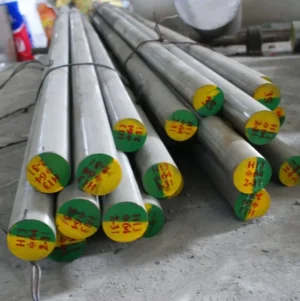
Many suppliers provide clear labels. They may print arrows or write codes on the edge. Always check the packaging first. Look for terms like rolling direction or grain orientation. If marks are missing, consult the mill certificate. That document often states the direction. When in doubt, contact the supplier. A quick email can prevent a costly mistake.
Practical Tips for Fast Identification
Combine two or three methods for best results. Start with visual inspection under bright light. Then confirm with a magnet test. If time allows, try a gentle bend test. Keep a small magnet and gloves at your workstation. Train new staff on these steps. Document what works for each steel grade. Over time, you will identify direction in seconds.
Common Mistakes to Avoid
Do not rely on a single clue. Surface scratches may mimic rolling lines. Do not assume every sheet has obvious marks. Coatings can hide important features. Also, avoid bending too sharply. That can damage the sample and mislead you. Finally, never skip safety gear during etching. A careful approach always beats a rushed guess.
Conclusion and Value Summary
Quickly identifying the rolling direction of transformer steel is a practical skill. It protects magnetic performance and reduces waste. Visual cues, magnets, bend tests, and supplier marks all help. For critical work, etching provides final confirmation. By using these methods, you save time and improve reliability. Remember to stay consistent and safe. With practice, the process becomes second nature. Your cores will perform better, and your projects will succeed.





 English
  Japanese
  Korean
  French
  German
  Spanish
  Portuguese
  Russian
  Arabic
  Italian
  Turkish
  Dutch
Dutch  Polish
  Swedish
  Danish
  Norwegian
  Finnish
  Greek
Greek  Hungarian
  Czech
Czech  Romanian
  Bulgarian
  Slovenian
  Croatian
  Slovak
  Malay
Malay  Indonesian
  Thai
Thai  Vietnamese
  Myanmar
  Khmer
Khmer  Lao
Lao  Tagalog
  Hindi
Hindi  Bengali
  Urdu
Urdu  Nepali
  Sinhala
  Hebrew
  Ukrainian
  Serbian
  Icelandic
  Swahili