
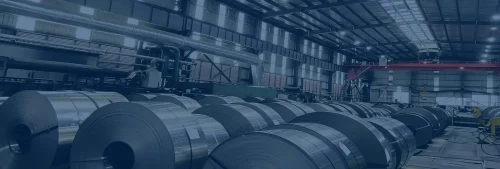
Hot Work Mold Steel: Basics, Properties, Grades & Applications
Mold steel is essential for manufacturing high-quality products. Different types of steel are used for various applications. Hot work mold steel is designed for high-temperature processes. It can withstand extreme heat and pressure. This makes it ideal for die casting and forging operations.
Properties of Hot Work Mold Steel
Hot work mold steel has unique properties. It offers excellent thermal conductivity. This helps in even heat distribution. The steel also has high strength at elevated temperatures. It resists warping and cracking. These features make it durable for repeated use. The material can maintain its shape under heavy loads. This ensures consistent product quality.
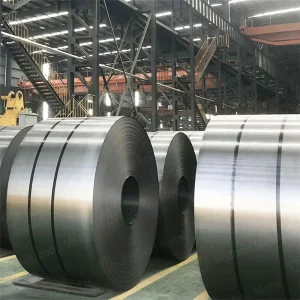
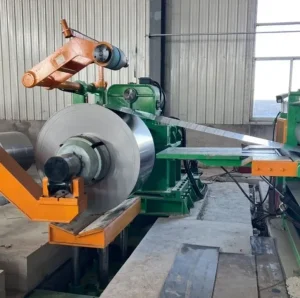
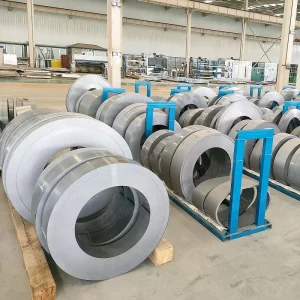
China Silicon Steel Manufacturer & Exporter | High-Quality Steel Products | Baowu
Choosing the Right Grade
Several grades of hot work mold steel are available. Each grade has specific characteristics. Selection depends on the application requirements. Factors like temperature and pressure must be considered. Common grades include H11, H13, and H21. These grades offer a balance of strength and toughness. They are widely used in industrial settings. Proper selection ensures optimal performance and longevity.
Heat Treatment Processes
Heat treatment is crucial for hot work mold steel. It enhances the material’s properties. Quenching and tempering are common processes. Quenching hardens the steel. Tempering reduces brittleness. These processes improve the steel’s resistance to wear. Proper heat treatment extends the mold’s lifespan. It ensures reliable performance over time.
Maintenance and Care
Regular maintenance is necessary for hot work mold steel. Cleaning removes contaminants and prevents corrosion. Inspections should be conducted regularly. Any damage must be addressed promptly. Proper care maintains the mold’s integrity. It prevents premature failure and extends its useful life. Following manufacturer guidelines is essential for optimal results.
Environmental Considerations
The environmental impact of hot work mold steel must be considered. Proper disposal methods should be used. Recycling helps reduce waste. Sustainable practices are becoming more important. Companies are adopting eco-friendly approaches. This ensures responsible use of resources. It benefits both the industry and the environment.
Future Trends in Hot Work Mold Steel
Advancements are continually being made in hot work mold steel. New grades and treatments are being developed. Technology is improving material performance. Innovations aim to enhance durability and efficiency. These developments benefit manufacturers. They help in producing higher-quality products. The industry is moving towards more sustainable solutions.



 English
  Japanese
  Korean
  French
  German
  Spanish
  Portuguese
  Russian
  Arabic
  Italian
  Turkish
  Dutch
Dutch  Polish
  Swedish
  Danish
  Norwegian
  Finnish
  Greek
Greek  Hungarian
  Czech
Czech  Romanian
  Bulgarian
  Slovenian
  Croatian
  Slovak
  Malay
Malay  Indonesian
  Thai
Thai  Vietnamese
  Myanmar
  Khmer
Khmer  Lao
Lao  Tagalog
  Hindi
Hindi  Bengali
  Urdu
Urdu  Nepali
  Sinhala
  Hebrew
  Ukrainian
  Serbian
  Icelandic
  Swahili