

Adapting to Diverse Material Needs and Observing the Growth Path of Enterprise Production Expansion
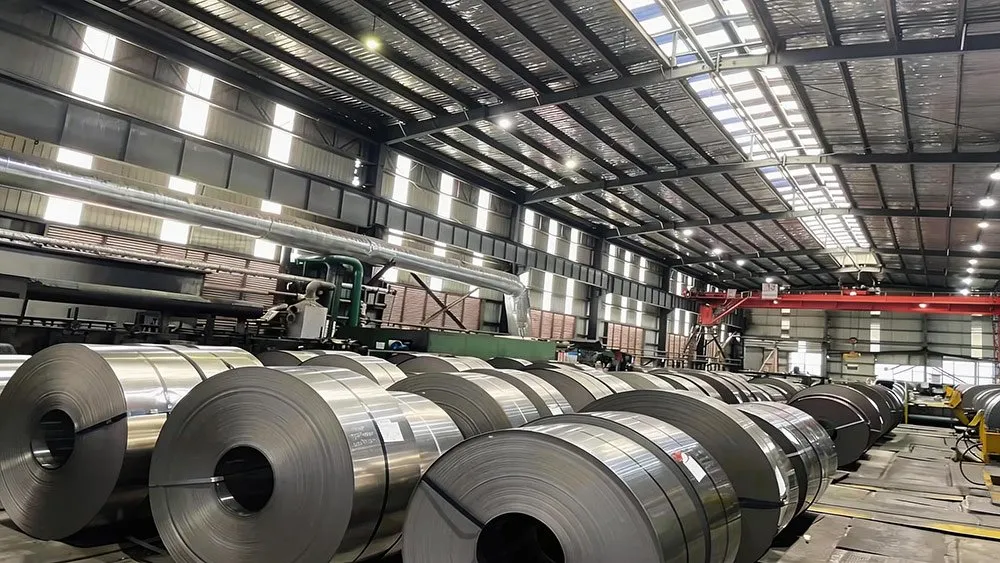
In the dynamic landscape of modern business, the ability to adapt to diverse material needs is a critical factor for success. Companies that can effectively navigate the complexities of material requirements and observe the growth path of their production expansion are positioned to thrive in competitive markets. The process begins with a thorough understanding of the material demands inherent in various business operations.
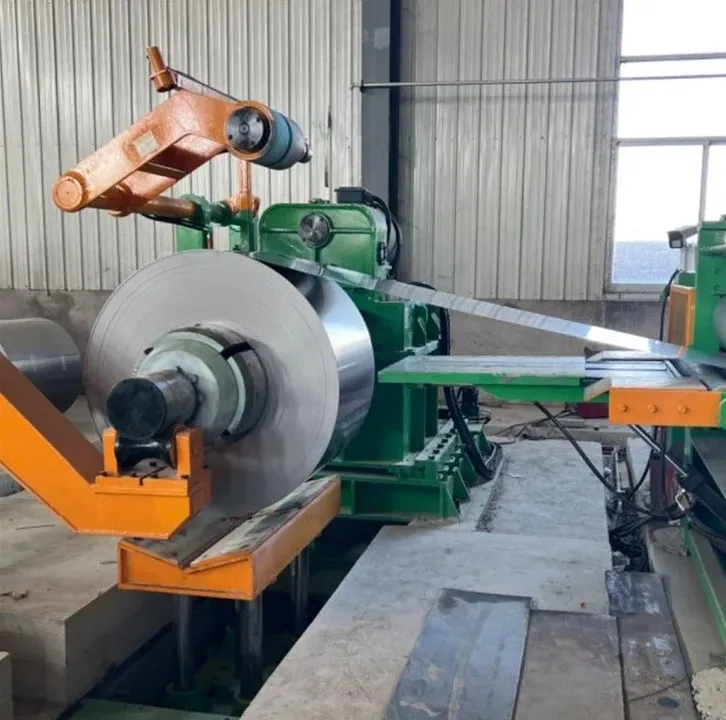
This involves analyzing the types of materials required, the quantities needed, and the quality standards that must be met. By conducting comprehensive assessments, businesses can identify potential gaps in their material supply chains and develop strategies to address these gaps. One key aspect of this process is the establishment of robust relationships with suppliers who can provide the necessary materials in a timely and reliable manner. These relationships are not merely transactional; they are built on trust and mutual benefit, ensuring that both parties are committed to meeting the evolving needs of the business. Observing the growth path of enterprise production expansion requires a strategic approach that aligns with the company’s long-term goals. This involves monitoring production levels, identifying trends, and making informed decisions about capacity expansion. As production scales up, the demand for materials often increases, necessitating a review of existing supply chains and the potential need for additional suppliers.
Effective management of material logistics is essential to avoid disruptions in the production process. This includes optimizing inventory levels, streamlining transportation, and implementing advanced tracking systems to ensure that materials are delivered efficiently. The integration of technology into material management has revolutionized the way businesses operate. Digital tools and platforms enable real-time monitoring of material stocks, automate reordering processes, and provide insights into usage patterns. These technological advancements help businesses to reduce waste, minimize costs, and improve overall operational efficiency. As companies expand their production capabilities, they must also consider the environmental impact of their material usage. Sustainable practices are increasingly becoming a priority for businesses seeking to reduce their ecological footprint.
This involves sourcing materials that are environmentally friendly, implementing recycling programs, and adopting energy-efficient production methods. By prioritizing sustainability, companies not only contribute to environmental conservation but also enhance their brand reputation among consumers who are becoming more conscious of corporate social responsibility. The ability to adapt to diverse material needs and observe the growth path of production expansion is a continuous process. It requires ongoing evaluation, strategic planning, and a willingness to embrace change. Businesses that can effectively manage their material requirements and scale their operations efficiently are well-equipped to seize opportunities in growing markets.
The journey towards operational excellence is not without challenges, but the rewards are substantial. Companies that successfully navigate this path are not only able to meet the demands of their customers but also position themselves as leaders in their industry. In conclusion, the adaptability to diverse material needs and the keen observation of the growth path of enterprise production expansion are vital for sustained success. By understanding material requirements, fostering strong supplier relationships, leveraging technology, and embracing sustainable practices, businesses can achieve operational efficiency and secure a competitive edge in the marketplace.




 English
  Japanese
  Korean
  French
  German
  Spanish
  Portuguese
  Russian
  Arabic
  Italian
  Turkish
  Dutch
Dutch  Polish
  Swedish
  Danish
  Norwegian
  Finnish
  Greek
Greek  Hungarian
  Czech
Czech  Romanian
  Bulgarian
  Slovenian
  Croatian
  Slovak
  Malay
Malay  Indonesian
  Thai
Thai  Vietnamese
  Myanmar
  Khmer
Khmer  Lao
Lao  Tagalog
  Hindi
Hindi  Bengali
  Urdu
Urdu  Nepali
  Sinhala
  Hebrew
  Ukrainian
  Serbian
  Icelandic
  Swahili