
The differences in transformer steel selection between stacked cores and wound cores
Understanding Transformer Steel Selection for Different Core Types
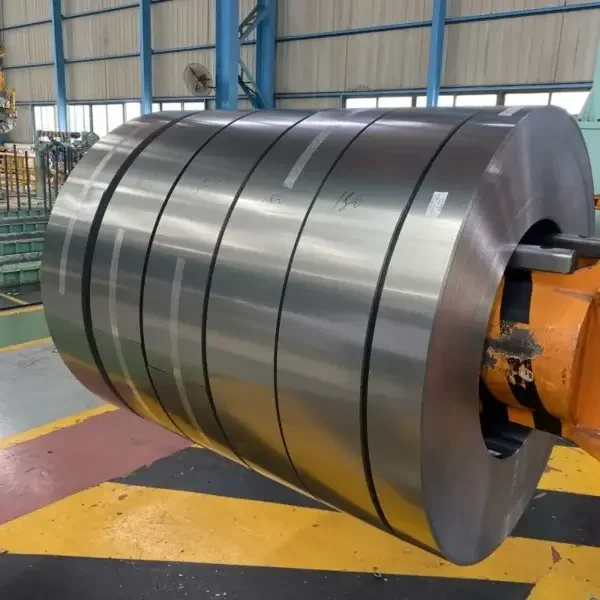
Transformer steel selection depends heavily on core design. Stacked cores and wound cores serve different purposes. Consequently, the choice of steel changes to match each design. This article explains those differences clearly. It focuses on practical selection factors. Engineers and buyers can use this guide for better decisions.
Core Geometry Drives Steel Requirements
Stacked cores use thin steel sheets. These sheets are cut and stacked together. The grain orientation must align with the magnetic flux path. For stacked cores, grain-oriented steel works well. It reduces energy losses along the rolling direction. Wound cores, however, use continuous steel strips. These strips wrap into a circular shape. The winding process creates a natural flux path. As a result, wound cores need steel with consistent thickness. Any variation can cause gaps or vibration.
Magnetic Properties and Loss Considerations
Stacked cores often face higher eddy current losses. Laminations must be insulated to limit these losses. Therefore, transformer steel selection favors coated grades. These coatings resist short circuits between sheets. Wound cores have fewer joints and lower losses. They benefit from high-permeability steel. This steel allows efficient flux transfer. For both types, silicon content matters. Higher silicon increases resistivity. That reduces eddy currents. However, too much silicon makes steel brittle. So, a balance is essential.
Mechanical Stress and Handling Differences
Stacked cores experience stress during assembly. Bolts and clamps hold the laminations tight. This pressure can degrade magnetic properties. Thus, steel with good mechanical strength is preferred. Wound cores undergo stress during winding. The steel must bend without cracking. Thin, ductile steel suits this process. Stress relief annealing often follows winding. This step restores magnetic performance. For stacked cores, annealing may occur before stacking. The sequence affects final steel behavior.
Cost and Manufacturing Efficiency
Stacked cores typically cost less for small batches. Die cutting and stacking are simple steps. Scrap rates can be high, though. Wound cores reduce scrap because strips are continuous. But winding equipment costs more. Transformer steel selection must weigh these factors. For high-volume production, wound cores save material. For low-volume or custom sizes, stacked cores offer flexibility. Buyers should compare total cost, not just steel price.
Performance in Real Applications
Distribution transformers often use stacked cores. They handle standard voltages and sizes. Power transformers may use wound cores for efficiency. Audio transformers sometimes prefer wound cores. They need low noise and stable performance. Each application sets unique demands. Therefore, steel selection cannot follow one rule. Engineers must test prototypes. They should measure core loss and temperature rise. These data guide the final steel choice.
Conclusion: Matching Steel to Core Design
Transformer steel selection is not a single answer. Stacked cores and wound cores need different steel traits. Grain orientation, coating, thickness, and silicon level all matter. Mechanical stress and cost also play roles. By understanding these differences, teams can optimize performance. They can reduce losses and extend transformer life. Always review the core design first. Then choose steel that fits the manufacturing method. This approach ensures reliable, efficient transformers.





 English
  Japanese
  Korean
  French
  German
  Spanish
  Portuguese
  Russian
  Arabic
  Italian
  Turkish
  Dutch
Dutch  Polish
  Swedish
  Danish
  Norwegian
  Finnish
  Greek
Greek  Hungarian
  Czech
Czech  Romanian
  Bulgarian
  Slovenian
  Croatian
  Slovak
  Malay
Malay  Indonesian
  Thai
Thai  Vietnamese
  Myanmar
  Khmer
Khmer  Lao
Lao  Tagalog
  Hindi
Hindi  Bengali
  Urdu
Urdu  Nepali
  Sinhala
  Hebrew
  Ukrainian
  Serbian
  Icelandic
  Swahili