
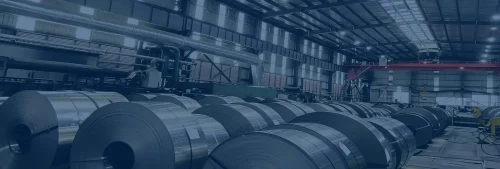
Research and Development Technical Difficulties of High Magnetic Induction and Ultra-Low Core Loss Electrical Steel
High magnetic induction and ultra-low core loss electrical steel represents the top level of magnetic material manufacturing. This advanced electrical steel serves high-end power equipment and new energy devices. Its research and development face multiple core technical difficulties in material and process fields.
First, precise grain orientation control is the primary technical bottleneck. Excellent magnetic performance depends on complete Goss texture inside electrical steel grains. R&D teams need to control grain growth direction strictly during rolling and annealing. Tiny grain deviation will increase core loss and reduce magnetic induction. Microscopic grain control requires ultra-precise process parameter matching.
Second, silicon content optimization brings balancing difficulties. Higher silicon content helps reduce electrical steel eddy current loss. However, excessive silicon content reduces material ductility and toughness. It causes cracking risks during cold rolling and stamping. R&D staff must find the best silicon content balance. The balance needs to meet low loss requirements and guarantee processing performance.

Third, ultra-thin rolling process stability is hard to control. Ultra-low loss electrical steel usually adopts thickness below 0.27mm. Thin gauge rolling easily produces thickness deviation and plate warping. Unstable rolling accuracy leads to uneven magnetic performance across steel plates. It reduces the qualified rate of finished high-performance electrical steel products.
Fourth, high-temperature annealing process precision is difficult to master. Annealing determines the final grain structure and magnetic properties of electrical steel. Improper temperature or holding time causes incomplete grain recrystallization. It also leads to excessive grain growth and performance deterioration. Precise annealing control needs stable equipment and mature process databases.
Fifth, laser scribing precision optimization restricts low-loss performance improvement. Laser scribing refines magnetic domains to reduce hysteresis loss. Excessively dense scribing damages steel substrate structure. Sparse scribing cannot achieve ideal loss reduction effect. R&D teams need to match scribing spacing and energy with steel grades accurately.
Sixth, anti-aging performance improvement faces material formula barriers. Long-term operation causes magnetic aging of electrical steel. Aging increases equipment energy consumption year by year. Developing anti-aging components requires precise material ratio adjustment. It also needs long-term performance verification under actual working conditions.
In short, high-performance electrical steel R&D integrates material science, rolling technology and heat treatment technology. Multiple technical bottlenecks restrict product performance upgrading. Continuous process optimization and experimental verification are essential to break through current technical limits.






 English
  Japanese
  Korean
  French
  German
  Spanish
  Portuguese
  Russian
  Arabic
  Italian
  Turkish
  Dutch
Dutch  Polish
  Swedish
  Danish
  Norwegian
  Finnish
  Greek
Greek  Hungarian
  Czech
Czech  Romanian
  Bulgarian
  Slovenian
  Croatian
  Slovak
  Malay
Malay  Indonesian
  Thai
Thai  Vietnamese
  Myanmar
  Khmer
Khmer  Lao
Lao  Tagalog
  Hindi
Hindi  Bengali
  Urdu
Urdu  Nepali
  Sinhala
  Hebrew
  Ukrainian
  Serbian
  Icelandic
  Swahili