
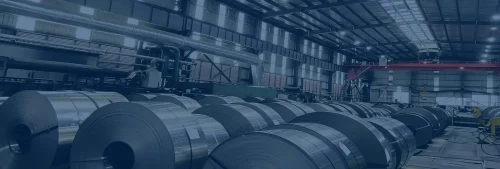
CRGO (Grain Oriented) Electrical Steel FAQs
Understanding CRGO Electrical Steel: Key Facts and Practical Insights

CRGO electrical steel plays a vital role in modern power systems. This material helps reduce energy losses in transformers and motors. Many engineers and buyers rely on it for efficient electrical designs. Yet, common questions often arise about its properties and uses. This article answers those questions based on established industry knowledge. It provides a clear guide for professionals seeking reliable information.
What Makes CRGO Electrical Steel Different?
CRGO stands for grain-oriented electrical steel. Its unique grain structure aligns in one direction. This alignment improves magnetic properties significantly. As a result, the material carries magnetic flux with less resistance. Compared to non-oriented steel, CRGO offers higher permeability. It also shows lower core loss under normal operating conditions. These features make it ideal for transformer cores. The steel undergoes a complex rolling and annealing process. That process creates the preferred grain orientation. Therefore, manufacturers can build smaller and lighter transformers. Efficiency gains then follow naturally across the power grid.
Why Is Core Loss So Important in CRGO Steel?
Core loss represents wasted energy as heat. In CRGO steel, core loss stays remarkably low. This low loss directly saves electricity over time. Utilities and industries value this saving greatly. Lower loss also reduces cooling needs. Consequently, transformer designs become more compact. The measurement of core loss uses standard tests. These tests happen at specific frequencies and flux densities. Buyers should always check loss values carefully. A low loss grade often costs more upfront. However, the long-term energy savings justify the price. Therefore, selecting the right grade matters for total cost.
How Does Coating Affect CRGO Electrical Steel Performance?
A thin insulating coating covers most CRGO steel surfaces. This coating serves several critical purposes. First, it prevents electrical short circuits between layers. Second, it reduces eddy current losses. Third, it protects the steel from rust and damage. Different coating types exist for various applications. Some coatings resist high temperatures. Others offer better punchability for stamping. The coating thickness also influences magnetic properties. A thicker coating may lower stacking factor. That factor affects how much steel fits in a core. Therefore, engineers must balance coating choice with design needs. Proper handling during storage also preserves coating quality.
What Should Buyers Consider When Sourcing CRGO Steel?
Sourcing CRGO electrical steel requires attention to several factors. Grade selection tops the list for most projects. Common grades include M-2, M-3, M-4, and M-6. Higher numbers generally mean lower core loss. Thickness options range from 0.18 mm to 0.35 mm. Thinner sheets reduce eddy currents but cost more. Width availability affects cutting and waste. Suppliers should provide mill test certificates. These certificates confirm magnetic and mechanical properties. Delivery time and minimum order quantity also matter. Additionally, buyers should verify the steel’s origin. Reputable mills follow strict quality standards. Finally, consider technical support from the supplier. Good support helps avoid costly design mistakes.
How to Store and Handle CRGO Electrical Steel Properly?
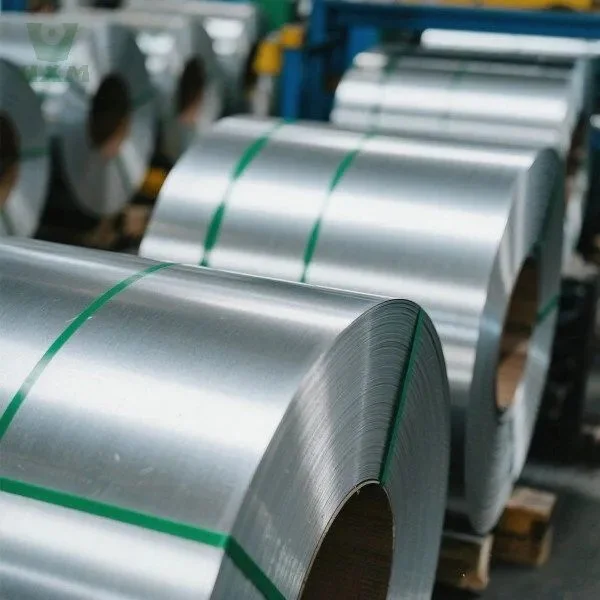
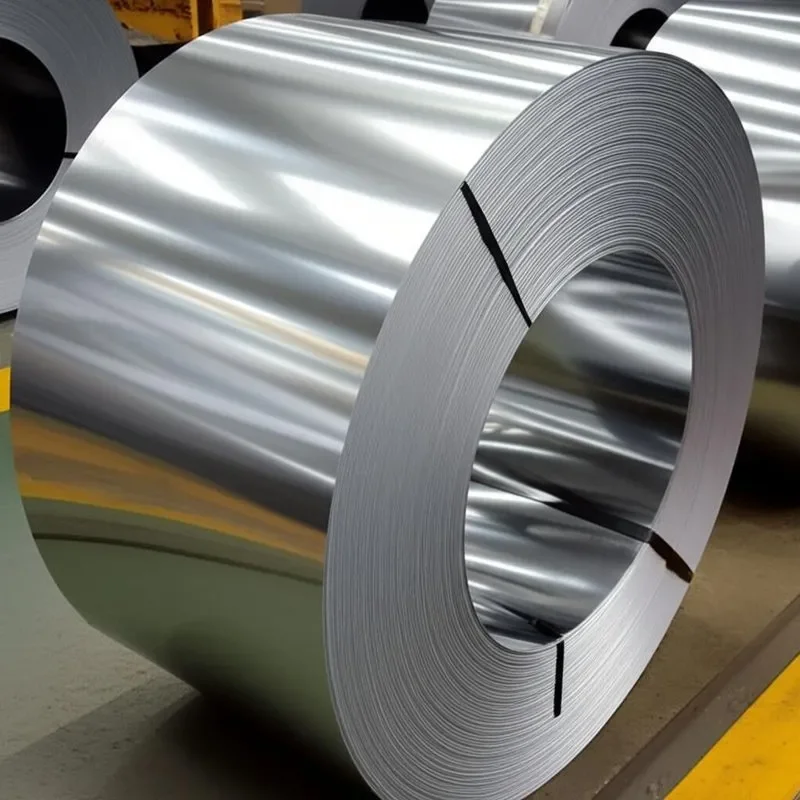
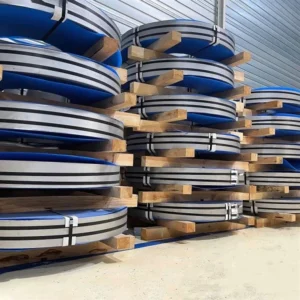
Storage conditions affect CRGO steel quality. Moisture causes rust and coating damage. Therefore, keep coils or sheets in dry areas. Use pallets or racks to avoid floor contact. Temperature changes can create condensation. So, maintain stable indoor conditions when possible. Handle the material with clean gloves. Oils and dirt can harm magnetic properties. Avoid dropping or bending the steel sharply. Such actions may damage the grain structure. When cutting, use sharp tools to prevent burrs. Burrs can create short circuits in finished cores. Finally, use the oldest stock first. This practice reduces the risk of long-term degradation.
Conclusion: Getting the Most from CRGO Electrical Steel
CRGO electrical steel remains essential for efficient power conversion. Its grain orientation lowers core loss and boosts performance. Buyers who understand grade, coating, and handling gain real advantages. They avoid common mistakes and reduce total project costs. Suppliers who provide clear documentation build lasting trust. As energy demands grow, this material will stay in high demand. By applying the insights above, professionals can make better decisions. Those decisions lead to reliable, efficient, and cost-effective electrical systems.






 English
  Japanese
  Korean
  French
  German
  Spanish
  Portuguese
  Russian
  Arabic
  Italian
  Turkish
  Dutch
Dutch  Polish
  Swedish
  Danish
  Norwegian
  Finnish
  Greek
Greek  Hungarian
  Czech
Czech  Romanian
  Bulgarian
  Slovenian
  Croatian
  Slovak
  Malay
Malay  Indonesian
  Thai
Thai  Vietnamese
  Myanmar
  Khmer
Khmer  Lao
Lao  Tagalog
  Hindi
Hindi  Bengali
  Urdu
Urdu  Nepali
  Sinhala
  Hebrew
  Ukrainian
  Serbian
  Icelandic
  Swahili