
Can non-oriented silicon steel be used to manufacture transformer cores
Introduction
Can non-oriented सिलिकन स्टील be used to manufacture transformer cores? This question often arises in electrical engineering. Transformers rely on core materials with specific magnetic properties. Non-oriented सिलिकन स्टील has unique characteristics. However, its suitability depends on the transformer type. This article examines the technical facts. It also explores practical applications and limitations.
What Is Non-Oriented सिलिकन स्टील
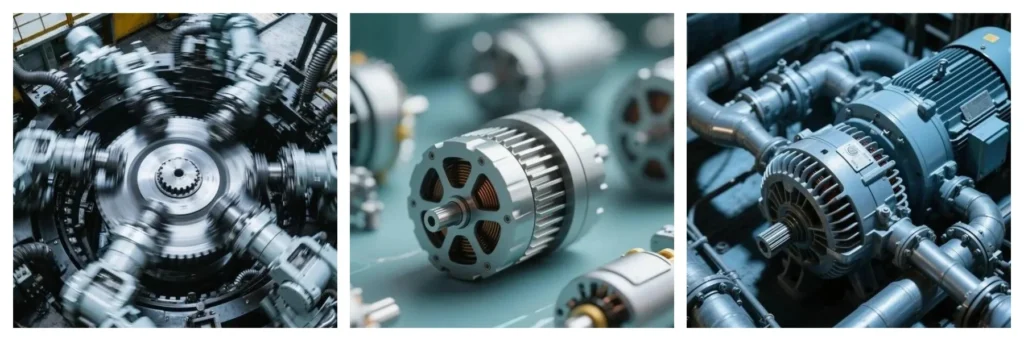
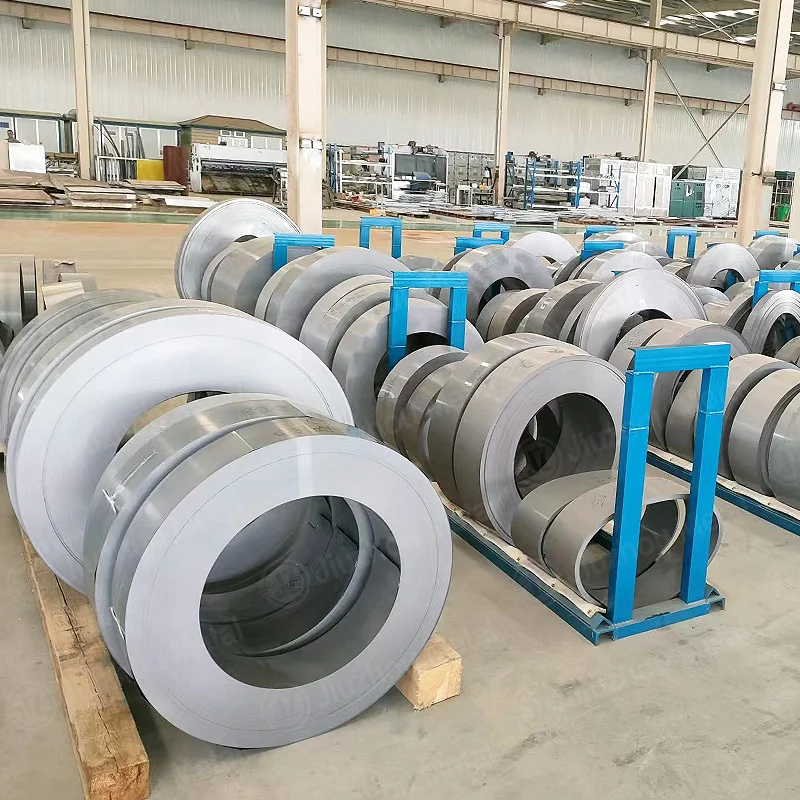
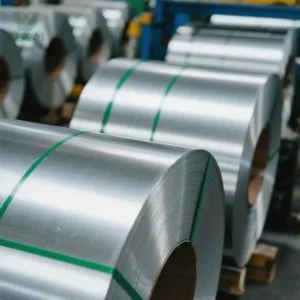
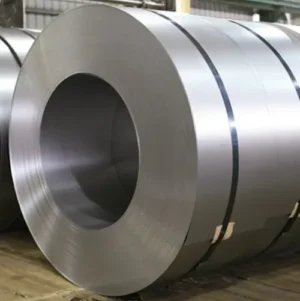
Non-oriented silicon steel contains silicon as a key alloying element. Its grains align randomly in all directions. This random orientation gives uniform magnetic properties. In contrast, grain-oriented steel has aligned grains. That alignment boosts permeability in one direction. Non-oriented steel, however, offers consistent performance across directions. Manufacturers produce it in large quantities. It costs less than grain-oriented alternatives. These traits make it common in motors and generators. Yet transformer cores have different demands.
Magnetic Requirements for Transformer Cores
Transformer cores need high magnetic permeability. They also require low core loss. Core loss includes hysteresis and eddy current losses. Hysteresis loss depends on material composition. Eddy current loss depends on thickness and resistivity. For efficient transformers, grain-oriented steel often works best. Its aligned grains reduce hysteresis loss along the rolling direction. Non-oriented steel has higher hysteresis loss. This fact raises a critical question. Can it still serve some transformer designs?
When Non-Oriented Steel Works in Transformers
Yes, non-oriented silicon steel can be used in certain transformer cores. Small distribution transformers sometimes use it. Low-frequency applications may also accept it. For example, some audio transformers use non-oriented cores. These transformers tolerate higher losses. They prioritize cost and availability. Additionally, non-oriented steel suits toroidal cores. Toroidal shapes need uniform magnetic properties. Random grain orientation provides that uniformity. So, the answer is not a simple no. It depends on the specific use case.
Performance Trade-Offs and Limitations
Using non-oriented steel in transformer cores brings clear trade-offs. Core loss increases compared to grain-oriented steel. That means more heat generation. Efficiency drops slightly. For large power transformers, this trade-off is unacceptable. Those transformers demand maximum efficiency. They also run continuously for decades. Non-oriented steel would waste too much energy. Furthermore, its lower permeability requires more turns of wire. That increases copper loss and material cost. Therefore, engineers rarely choose it for high-power grid transformers.
Economic and Practical Considerations
Cost often drives material selection. Non-oriented silicon steel costs less per kilogram. It is also more widely available. For low-volume or low-budget projects, this matters. A small transformer for a battery charger may use it. The efficiency loss is minor in such cases. Additionally, non-oriented steel is easier to stamp and shape. It handles complex core geometries well. Grain-oriented steel is brittle and direction-sensitive. So, for prototyping or custom shapes, non-oriented steel offers flexibility. These practical benefits sometimes outweigh magnetic drawbacks.
निष्कर्ष
Can non-oriented silicon steel be used to manufacture transformer cores? The answer is yes, but with conditions. It works for small, low-frequency, or cost-sensitive transformers. It also suits toroidal and custom designs. However, it fails for large power transformers. Those require grain-oriented steel for efficiency. Engineers must balance magnetic performance, cost, and application needs. Non-oriented steel remains a valid option in specific niches. Understanding these trade-offs ensures proper material selection. For any transformer project, evaluate core loss, permeability, and budget. Then choose the steel that fits best.






 English
  Japanese
  Korean
  French
  German
  Spanish
  Portuguese
  Russian
  Arabic
  Italian
  Turkish
  Dutch
Dutch  Polish
  Swedish
  Danish
  Norwegian
  Finnish
  Greek
Greek  Hungarian
  Czech
Czech  Romanian
  Bulgarian
  Slovenian
  Croatian
  Slovak
  Malay
Malay  Indonesian
  Thai
Thai  Vietnamese
  Myanmar
  Khmer
Khmer  Lao
Lao  Tagalog
  Hindi
Hindi  Bengali
  Urdu
Urdu  Nepali
  Sinhala
  Hebrew
  Ukrainian
  Serbian
  Icelandic
  Swahili