

What is the difference between silicon steel sheet and silicon steel plate?
What is the difference between pepejal silikon sheet and pepejal silikon plate? This question often arises among design engineers and procurement managers. The answer is not just about thickness. It involves manufacturing processes, magnetic properties, and application scenarios. Understanding this difference ensures optimal material selection for transformers, motors, and electromagnetic devices.
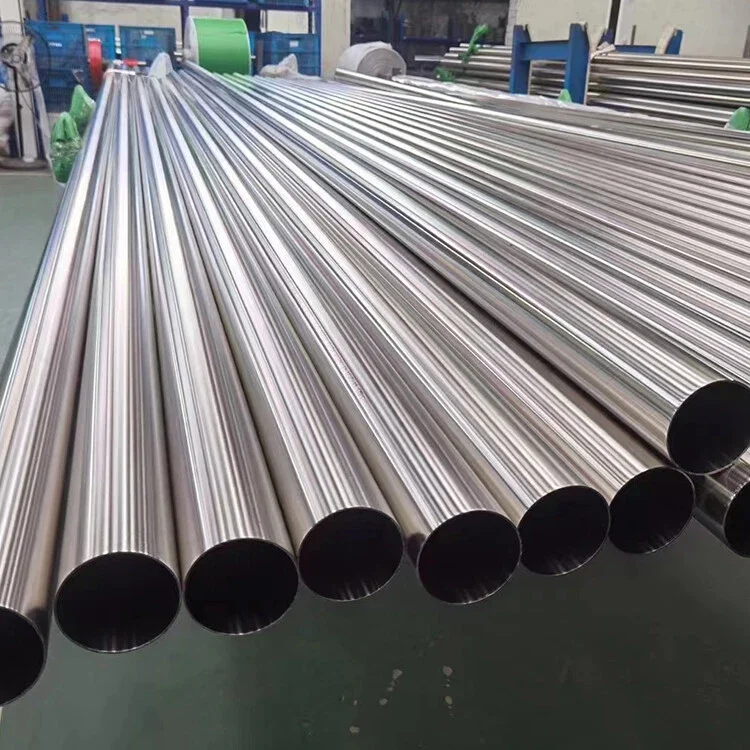
Defining Silikon Keluli Sheet
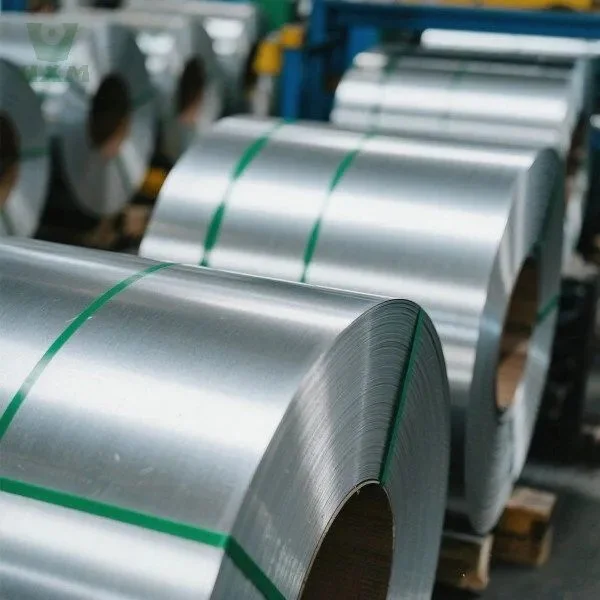
Silicon steel sheet refers to thin flat products. Their thickness typically ranges from 0.1 mm to 0.65 mm. These sheets are produced through cold rolling processes. They exhibit excellent magnetic permeability and low core loss. Engineers prefer sheets for high-frequency applications. They are also easier to punch and stack into laminated cores. Common grades include M-19, M-27, and M-36. These grades suit small to medium power transformers and servo motors.
Defining Silicon Steel Plate
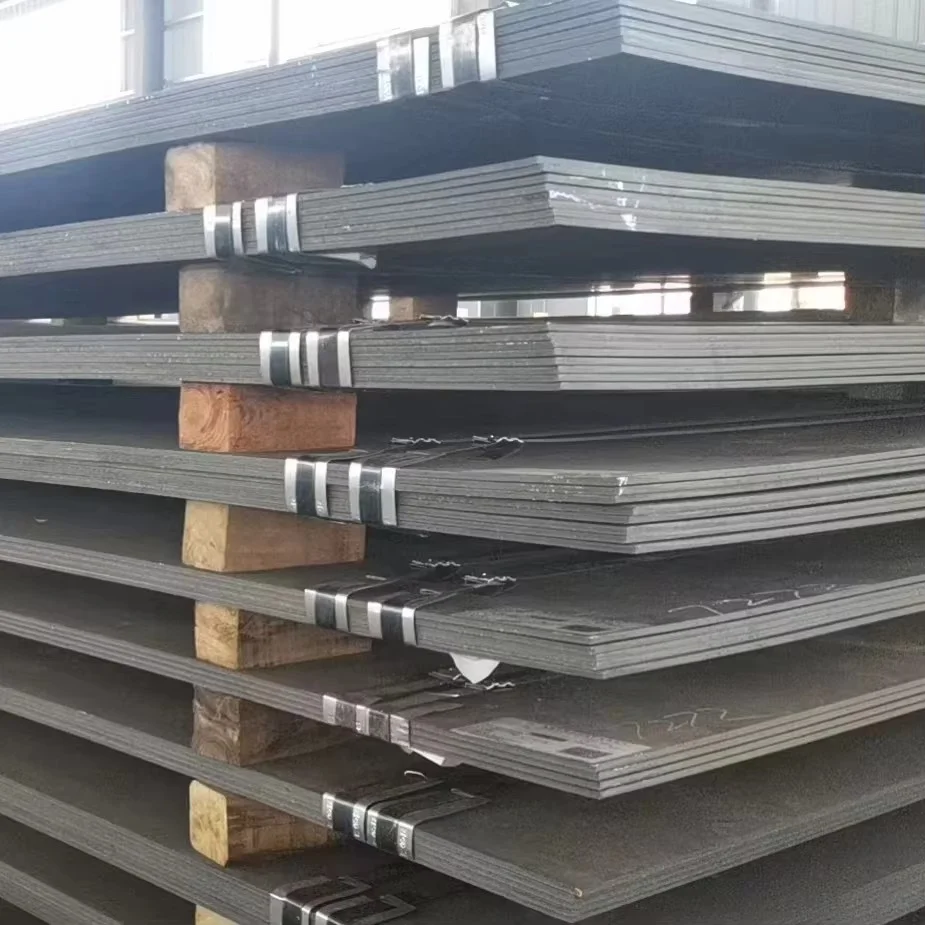
Silicon steel plate covers thicker flat products. Their thickness usually spans from 0.65 mm up to 2.5 mm. Manufacturers produce plates via hot rolling or heavy cold rolling. Plates offer higher mechanical strength and structural rigidity. They handle lower frequencies but higher magnetic flux densities. Power transformers and large industrial motors often use plates. They also appear in generator stators and heavy-duty electromagnetic systems. The grain-oriented grades are common for plates.
Primary Difference: Thickness and Rolling Method
Thickness remains the most visible distinction. Sheets are thinner and more flexible. Plates are thicker and stiffer. Rolling methods also differ significantly. Sheets undergo multiple cold rolling passes with intermediate annealing. This process refines grain structure and reduces hysteresis loss. Plates use hot rolling or single cold reduction. They have larger grain sizes, which affect magnetic domain behavior. Consequently, sheets suit high-efficiency designs, while plates prioritize mechanical durability.
Magnetic Properties and Core Loss
Silicon steel sheet exhibits lower core loss per unit weight. This advantage comes from thinner gauge and better insulation coatings. Eddy current losses decrease as thickness reduces. Therefore, sheets perform well in high-speed rotating equipment. Silicon steel plate shows higher core loss but superior saturation induction. It handles higher magnetic fields without saturation. For power frequency applications (50/60 Hz), plates offer cost-effective performance. Designers balance efficiency against mechanical demands when choosing between them.
Manufacturing Tolerances and Surface Finish
Sheets have tighter thickness tolerances, often within ±5%. They feature smooth surfaces with uniform insulation layers. These coatings prevent inter-lamination shorts. Plates have wider tolerances, sometimes ±10% or more. Their surfaces may have mill scale or oxide layers. Additional cleaning or coating is often required before assembly. For precision stacking, sheets are preferable. For rugged constructions, plates are acceptable. Surface quality directly impacts stacking factor and overall magnetic circuit efficiency.
Application Scenarios in Electrical Equipment
Transformers below 10 MVA typically use silicon steel sheet. Distribution transformers and dry-type units benefit from low-loss sheets. Large power transformers above 100 MVA often employ silicon steel plate. The plate provides structural support for heavy windings. Industrial motors under 500 kW use sheets for rotor and stator cores. Servo motors and linear actuators rely exclusively on thin sheets. Hydraulic generators and turbine-driven alternators use plates for their robust frames. Each application dictates a specific thickness grade.
Cost Implications for Procurement and Supply Chain
Silicon steel sheet costs more per kilogram due to complex rolling and annealing. Its higher production yield loss also raises the price. Silicon steel plate is cheaper per unit weight. However, the total cost must consider assembly labor and core losses. A thinner sheet may reduce energy losses over 20 years. That saving often justifies the higher upfront cost. Procurement managers evaluate lifecycle costs, not just material price. Supply chain lead times also vary, with sheets requiring longer delivery schedules.
Handling and Fabrication Differences
Sheets are cut and punched using high-speed stamping presses. They allow tight radius bends without cracking. Plates require shearing or plasma cutting. They are less formable and may need pre-heating before bending. Welding is possible on plates but rarely on sheets due to coating damage. Stacking sheets into laminations demands careful alignment. Plates are often assembled as single solid pieces. Maintenance and repair strategies differ accordingly. Field technicians must know these handling traits.
Standards and Grading Systems
ASTM A677 and A876 cover silicon steel sheet specifications. IEC 60404-8-7 defines grades for thin materials. For plates, ASTM A726 and A345 are relevant. Japanese JIS C2552 also distinguishes thickness classes. Each standard specifies core loss, permeability, and mechanical properties. Engineers must reference the correct standard for their design. Misidentifying sheet versus plate can lead to non-compliance. Always verify the grade certificate before ordering. International projects demand clear material designation.
Selecting the Right Material for Your Project
Start by defining operating frequency and flux density. For frequencies above 400 Hz, choose silicon steel sheet. For 50/60 Hz with high torque, consider silicon steel plate. Evaluate core weight and available space. Thinner materials reduce weight but increase manufacturing complexity. Consult with your laminations supplier early. They can recommend cost-effective gauges. Test samples under actual load conditions. Prototype testing reveals real-world performance gaps. Then finalize the specification for production.
Conclusion: Value-Driven Decision Making
The difference between silicon steel sheet and plate is not merely numerical. It shapes core efficiency, mechanical reliability, and total ownership cost. Design engineers must align material choice with electrical and mechanical constraints. Procurement teams should factor energy savings into purchase decisions. For modern electromagnetic systems, both materials have irreplaceable roles. Understanding their distinct properties empowers smarter specifications. Ultimately, the right choice boosts equipment performance and customer satisfaction. Always base your selection on validated engineering data and application-specific needs.







 English
  Japanese
  Korean
  French
  German
  Spanish
  Portuguese
  Russian
  Arabic
  Italian
  Turkish
  Dutch
Dutch  Polish
  Swedish
  Danish
  Norwegian
  Finnish
  Greek
Greek  Hungarian
  Czech
Czech  Romanian
  Bulgarian
  Slovenian
  Croatian
  Slovak
  Malay
Malay  Indonesian
  Thai
Thai  Vietnamese
  Myanmar
  Khmer
Khmer  Lao
Lao  Tagalog
  Hindi
Hindi  Bengali
  Urdu
Urdu  Nepali
  Sinhala
  Hebrew
  Ukrainian
  Serbian
  Icelandic
  Swahili