
Can transformer steel be used after removing its coating
Introduction
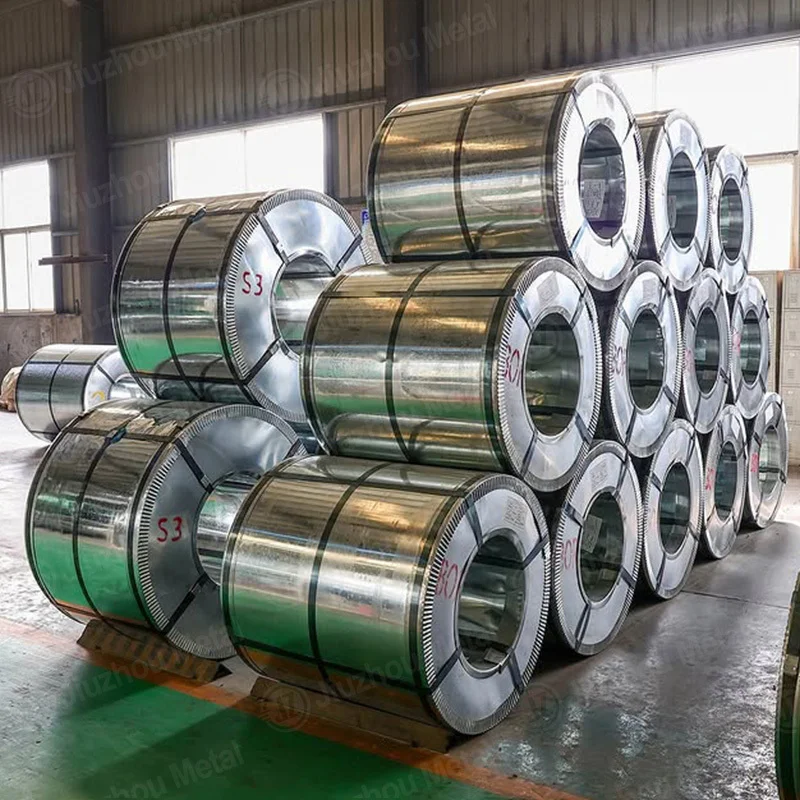
Transformer steel plays a vital role in electrical equipment. It carries magnetic flux with very low losses. Manufacturers often apply a thin coating to its surface. This coating insulates the steel and prevents rust. Yet, some users wonder about using the steel without it. Can transformer steel be used after removing its coating? The answer depends on several factors. These include the application, the environment, and the required performance. This article examines those factors in detail.
What the Coating Does
The coating on transformer steel serves two main purposes. First, it provides electrical insulation between adjacent laminations. This insulation blocks eddy currents. Eddy currents cause heat and energy loss. Second, the coating offers corrosion resistance. It protects the steel from moisture and air. Without the coating, both functions disappear. Therefore, removing the coating changes the material’s behavior. Users must understand these changes before proceeding.
Magnetic Performance After Coating Removal
Removing the coating increases eddy current losses. These losses generate unwanted heat. The heat reduces the efficiency of transformers and motors. In low-frequency applications, the effect may be small. However, at higher frequencies, the losses become severe. Core temperature can rise quickly. This rise may damage nearby insulation. Thus, for most alternating current applications, the coating remains essential. Only in direct current or very low-frequency uses might the impact be tolerable.
Corrosion and Environmental Risks
Without a coating, transformer steel rusts easily. Moisture in the air attacks the exposed surface. Rust increases magnetic resistance. It also causes physical degradation over time. In dry, controlled environments, rust may develop slowly. In humid or outdoor settings, however, corrosion can be rapid. Therefore, the working environment dictates whether coating removal is acceptable. For long-term reliability, a protective layer is usually necessary.
Alternative Coatings and Surface Treatments
If the original coating is removed, users can apply a new one. Some options include organic varnishes or inorganic layers. These restore insulation and corrosion protection. Yet, applying a new coating requires care. The surface must be clean and smooth. Thickness must remain uniform. Poor application can create hot spots or weak insulation. In short, recoating is possible but demands proper technique and quality control.
Mechanical and Handling Considerations
Coated transformer steel resists handling damage. The coating adds a hard, protective skin. Without it, the steel surface becomes more vulnerable. Scratches and dents may occur during assembly. These defects can disrupt magnetic properties. They may also create points for corrosion to start. Therefore, careful handling becomes even more critical when the coating is absent.
When Coating Removal Might Be Acceptable
In a few narrow cases, using bare transformer steel may work. For example, some direct current electromagnets use solid steel cores. In those cases, eddy currents are not a concern. Also, if the steel stays in a sealed, dry chamber, corrosion may be minimal. However, these are exceptions. Most transformer and motor applications require the coating. Users should never assume that removal is harmless.
Economic and Practical Trade-offs
Removing a coating saves neither time nor money in most cases. The process itself can damage the steel. It also adds labor and rework costs. If performance drops, energy losses rise. Those losses increase operating expenses over time. A new coating adds further cost. Consequently, the economic case for removal is weak. It only makes sense when no better option exists.
Conclusion
Can transformer steel be used after removing its coating? In most situations, the answer is no. The coating provides vital insulation and rust protection. Without it, eddy current losses grow. Corrosion risks increase. Performance and reliability suffer. Only in rare direct current or perfectly dry applications might bare steel work. Even then, careful testing is required. For standard electrical equipment, keep the coating intact or replace it properly. This choice ensures efficiency, safety, and long service life.





 English
  Japanese
  Korean
  French
  German
  Spanish
  Portuguese
  Russian
  Arabic
  Italian
  Turkish
  Dutch
Dutch  Polish
  Swedish
  Danish
  Norwegian
  Finnish
  Greek
Greek  Hungarian
  Czech
Czech  Romanian
  Bulgarian
  Slovenian
  Croatian
  Slovak
  Malay
Malay  Indonesian
  Thai
Thai  Vietnamese
  Myanmar
  Khmer
Khmer  Lao
Lao  Tagalog
  Hindi
Hindi  Bengali
  Urdu
Urdu  Nepali
  Sinhala
  Hebrew
  Ukrainian
  Serbian
  Icelandic
  Swahili