
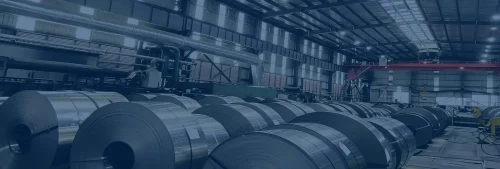
Can ordinary transformer steel be applied for high-frequency transformers
Can Ordinary Transformer Steel Be Applied for High-Frequency Transformers?
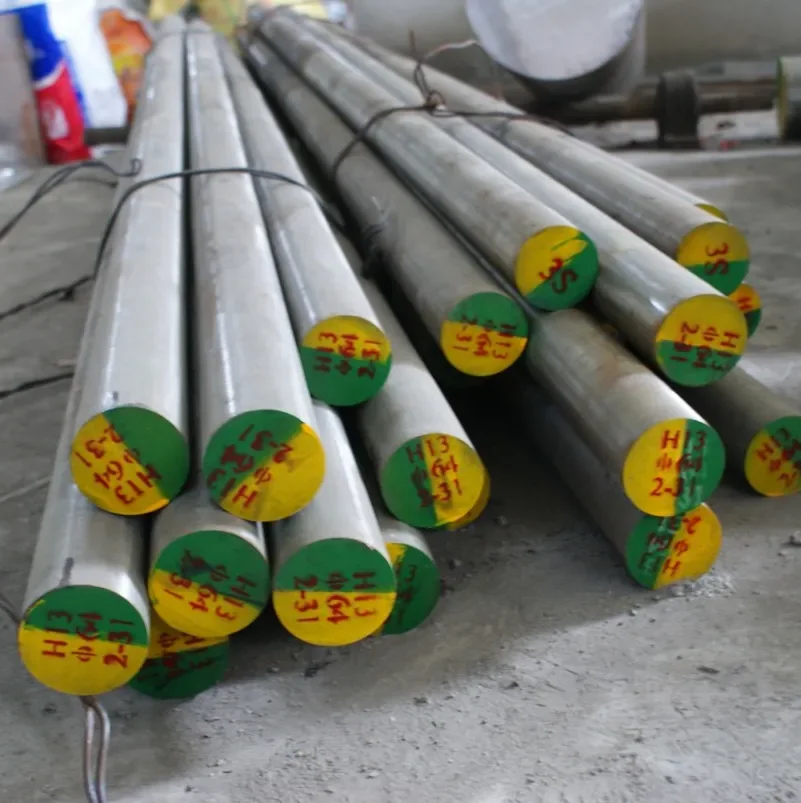
Engineers often ask if standard transformer steel works in high-frequency designs. The short answer is no for most cases. Ordinary steel suits low-frequency power grids. High-frequency transformers need different core materials. This mismatch causes heat, loss, and poor performance.
Why Ordinary Transformer Steel Fails at High Frequencies
Ordinary transformer steel contains silicon and iron. It has high magnetic permeability. However, its resistivity stays low. At 50 or 60 Hz, eddy currents remain small. Yet, at 20 kHz or higher, eddy currents grow fast. These currents create strong heat. They also waste energy. Consequently, the core overheats. The transformer may fail soon after.
The Role of Eddy Current and Hysteresis Losses
Eddy current loss rises with frequency squared. Hysteresis loss also increases with frequency. Ordinary steel has thick laminations. These laminations cannot stop high-frequency eddy currents. As a result, core loss becomes huge. Efficiency drops sharply. The transformer cannot deliver stable power. So, ordinary steel is a poor choice for high-frequency use.
What Materials Work Better for High-Frequency Transformers
Ferrite cores dominate high-frequency designs. Ferrite has high resistivity. It reduces eddy currents to a low level. Powdered iron cores also work well. They offer stable performance up to hundreds of kHz. Nanocrystalline cores serve advanced applications. Each material handles high frequency with low loss. They cost more than ordinary steel. Yet, they save energy and improve reliability.
When Ordinary Steel Might Still Be Considered
A few low-frequency high-power cases might use ordinary steel. For example, some 400 Hz transformers use thin silicon steel. But even then, laminations must be very thin. This approach only works at the low end of high frequency. Above a few kHz, ordinary steel becomes impractical. So, the answer remains no for true high-frequency transformers.
Key Design Trade-Offs and Practical Advice
Designers must balance cost, size, and efficiency. Ordinary steel is cheap and strong. But it fails at high frequency. Ferrite costs more but cuts loss. Therefore, engineers choose ferrite for switch-mode supplies. They choose powdered iron for filters. They avoid ordinary steel above 1 kHz. This rule keeps designs safe and efficient.
Conclusion: A Clear Material Boundary
Ordinary transformer steel cannot serve high-frequency transformers well. Its low resistivity causes excessive eddy currents. Those currents create heat and waste power. Better materials like ferrite and powdered iron solve this problem. For any high-frequency application, engineers should select the right core. This choice ensures long life, high efficiency, and reliable operation. In short, ordinary steel belongs to low-frequency duty only.





 English
  Japanese
  Korean
  French
  German
  Spanish
  Portuguese
  Russian
  Arabic
  Italian
  Turkish
  Dutch
Dutch  Polish
  Swedish
  Danish
  Norwegian
  Finnish
  Greek
Greek  Hungarian
  Czech
Czech  Romanian
  Bulgarian
  Slovenian
  Croatian
  Slovak
  Malay
Malay  Indonesian
  Thai
Thai  Vietnamese
  Myanmar
  Khmer
Khmer  Lao
Lao  Tagalog
  Hindi
Hindi  Bengali
  Urdu
Urdu  Nepali
  Sinhala
  Hebrew
  Ukrainian
  Serbian
  Icelandic
  Swahili