
Will long-term storage deteriorate the magnetic performance of transformer steel
Introduction
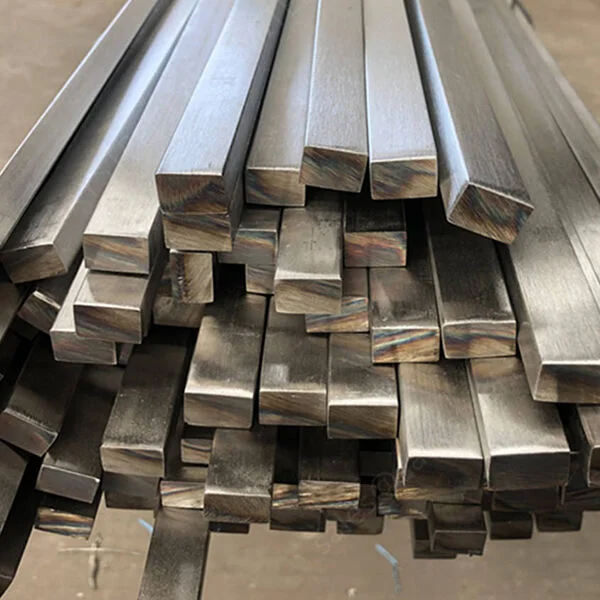
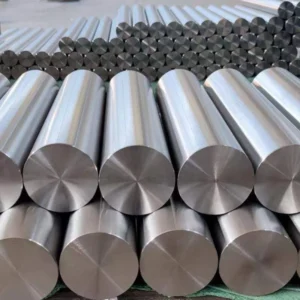
Transformer steel plays a vital role in electrical equipment. Its magnetic performance affects energy efficiency directly. Many users ask about long-term storage. Does it deteriorate magnetic properties? The answer is nuanced. Storage conditions matter greatly. This article examines the key factors. It offers practical guidance for maintaining steel quality.
What Happens During Storage
Transformer steel typically contains silicon. This material develops a specific grain structure. That structure supports magnetic flux. Over time, several changes can occur. Oxidation tops the list of concerns. Moisture and oxygen cause rust. Rust disrupts magnetic domains. As a result, core losses may increase. However, the steel itself remains stable. The base metal does not decay quickly. Surface damage drives most problems. Thus, storage environment becomes critical.
The Role of Coatings and Insulation
Most transformer steel has a thin insulating coating. This coating prevents eddy currents. It also protects against corrosion. During long storage, coating integrity may degrade. Humidity can cause coating breakdown. Physical handling may create scratches. Without proper coating, magnetic performance suffers. Core loss rises noticeably. Yet, if the coating stays intact, performance holds steady. Therefore, inspect stored steel regularly. Keep it in dry, clean conditions.
Temperature and Humidity Effects
Temperature fluctuations create condensation. Condensation accelerates rust formation. High humidity above sixty percent is risky. For every ten degree rise, reaction rates double. This principle applies to oxidation. Cold storage alone does not guarantee safety. Freezing and thawing cycles cause stress. They may crack protective layers. Ideally, store steel at stable room temperature. Use dehumidifiers or sealed wraps. These steps preserve magnetic quality for years.
Mechanical Stress and Handling
Storage often involves stacking and moving. Improper handling bends or dents the steel. Bending introduces dislocations. Dislocations pin magnetic domain walls. This effect raises hysteresis loss. Even minor deformation matters. For example, dropping a coil can harm edges. Over time, vibration during transport adds stress. Consequently, magnetic performance declines gradually. To avoid this, use proper racks and supports. Train staff on careful lifting techniques.
Time as a Standalone Factor
Does time alone degrade transformer steel? Generally, no. The metallurgical structure remains unchanged. Without external stressors, magnetic properties stay constant. Studies show negligible change over decades. For instance, stored cores from the 1980s still meet specs. However, this assumes ideal conditions. Real-world storage rarely stays perfect. Dust, pests, and water leaks occur. Thus, time acts as a multiplier. It amplifies the effects of poor storage.
Recommended Storage Practices
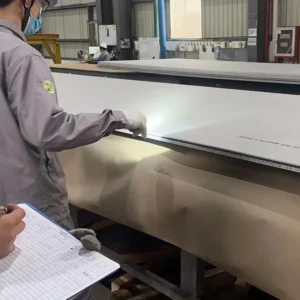
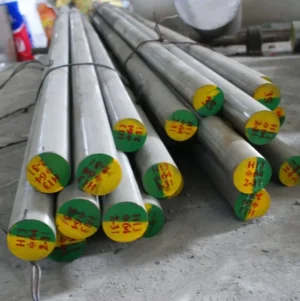
To protect magnetic performance, follow these steps. First, keep steel indoors or under cover. Second, maintain relative humidity below fifty percent. Third, use vapor barrier wraps. Fourth, avoid stacking heavy items on top. Fifth, inspect every six months. Sixth, clean surfaces with dry cloths. Seventh, reapply protective oil if needed. These practices reduce oxidation and stress. They help preserve core loss values. As a result, long-term storage becomes safe.
When Deterioration Does Occur
If magnetic performance drops, can you recover it? Sometimes, yes. Light surface rust removal helps. Recoating restores insulation. Annealing can reverse some stress. However, severe rust or deep dents are permanent. In those cases, steel may fail specifications. Therefore, prevention is far better. The cost of rework often exceeds storage savings. Plan ahead for proper conditions.
결론
Long-term storage does not automatically ruin transformer steel. The base material resists time well. However, poor conditions cause real damage. Moisture, handling, and temperature swings are main threats. With correct practices, magnetic performance stays stable. Dry, stable, and clean storage is the key. Regular inspection catches problems early. By following these guidelines, you protect your investment. You also ensure reliable operation when the steel is finally used. Remember, storage quality determines magnetic longevity.





 English
  Japanese
  Korean
  French
  German
  Spanish
  Portuguese
  Russian
  Arabic
  Italian
  Turkish
  Dutch
Dutch  Polish
  Swedish
  Danish
  Norwegian
  Finnish
  Greek
Greek  Hungarian
  Czech
Czech  Romanian
  Bulgarian
  Slovenian
  Croatian
  Slovak
  Malay
Malay  Indonesian
  Thai
Thai  Vietnamese
  Myanmar
  Khmer
Khmer  Lao
Lao  Tagalog
  Hindi
Hindi  Bengali
  Urdu
Urdu  Nepali
  Sinhala
  Hebrew
  Ukrainian
  Serbian
  Icelandic
  Swahili