
주석 도금 강판 코일의 기계적 강도에 대한 전문가의 통찰
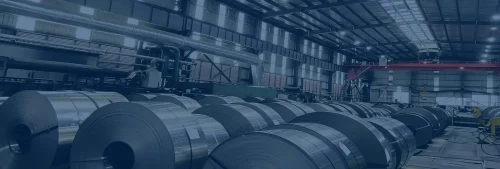
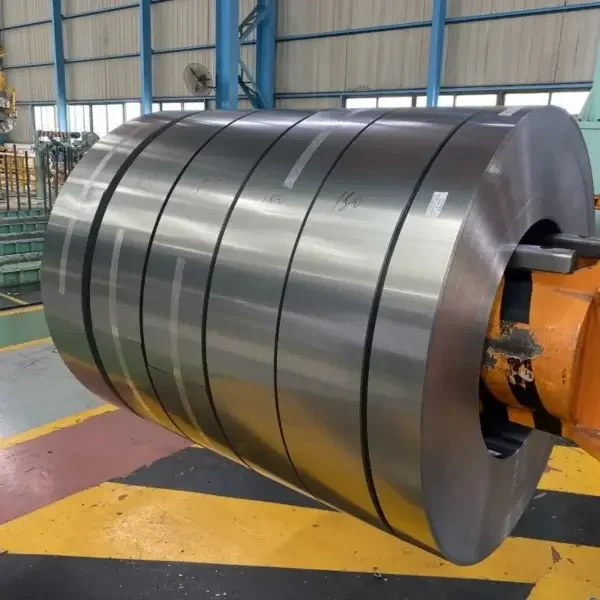
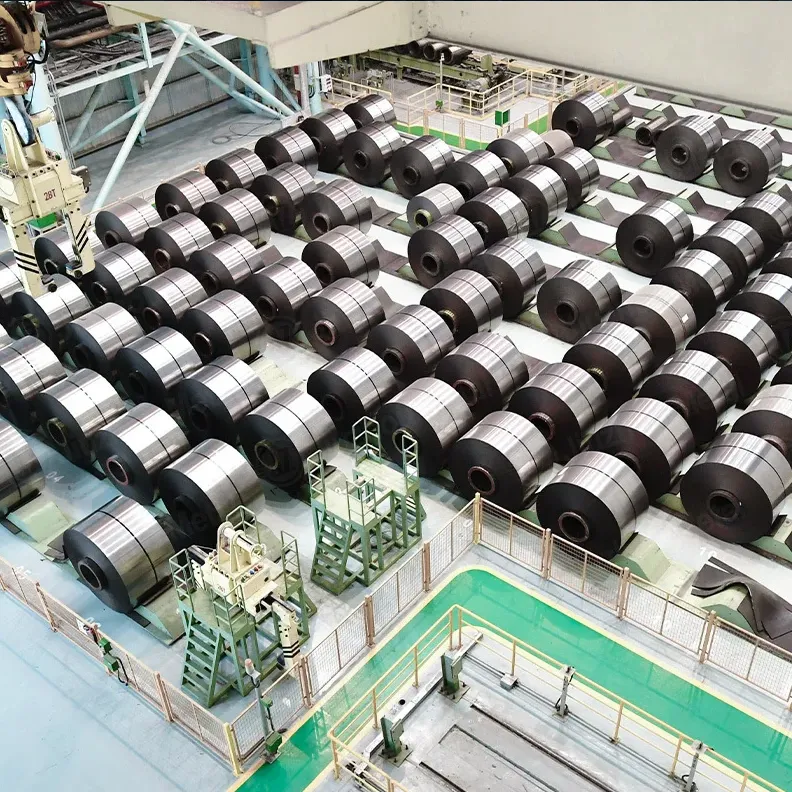
Tin-plated steel coils are widely utilized in various industries due to their excellent combination of mechanical strength and corrosion resistance. The mechanical strength of these coils is a critical factor that determines their performance in different applications. Understanding the composition and structure of tin-plated steel is essential for evaluating its mechanical properties.
The base material, typically steel, plays a significant role in determining the overall strength of the coil. The steel used often has a high carbon content, which enhances its hardness and tensile strength. Additionally, the addition of other alloying elements can further improve the mechanical properties, making the steel more durable and resistant to deformation.
The thickness of the steel sheet also contributes to its mechanical strength, with thicker sheets generally offering higher strength. Tin plating, while primarily providing corrosion resistance, can slightly affect the mechanical properties of the steel. The plating process can create a surface layer that may alter the material’s response to stress, but the underlying steel’s properties remain the primary determinant of the coil’s strength. In industrial applications, the mechanical strength of tin-plated steel coils is often tested through various methods such as tensile testing, bend testing, and impact testing.
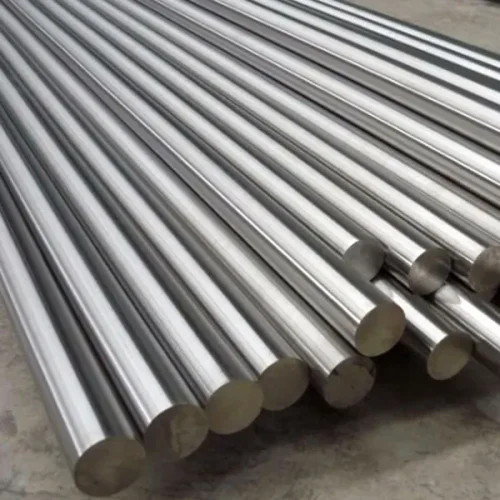
These tests help determine the yield strength, ultimate tensile strength, and ductility of the material. The results of these tests are crucial for ensuring that the coils can withstand the mechanical stresses they will encounter in their intended use. The mechanical strength of tin-plated steel coils also depends on the manufacturing process. The rolling and annealing processes can affect the grain structure of the steel, which in turn influences its mechanical properties. Proper heat treatment can enhance the strength and toughness of the steel, making it more suitable for high-stress applications. Environmental factors can also impact the mechanical strength of tin-plated steel coils.
Exposure to moisture, temperature fluctuations, and chemical substances can lead to corrosion and degradation of the material. However, the tin coating provides a protective barrier that helps mitigate these effects, preserving the mechanical strength of the steel. In conclusion, the mechanical strength of tin-plated steel coils is a multifaceted property that depends on the base material, plating process, manufacturing techniques, and environmental conditions. Understanding these factors is essential for selecting the appropriate type of coil for specific applications and ensuring its long-term performance.
The combination of high strength and corrosion resistance makes tin-plated steel coils a versatile and reliable choice for numerous industrial uses. By considering the composition, structure, and testing methods, manufacturers and engineers can optimize the mechanical properties of these coils to meet the demands of various industries. The continuous advancements in material science and manufacturing processes further enhance the potential of tin-plated steel coils, making them an indispensable component in modern industrial applications.







 English
  Japanese
  Korean
  French
  German
  Spanish
  Portuguese
  Russian
  Arabic
  Italian
  Turkish
  Dutch
Dutch  Polish
  Swedish
  Danish
  Norwegian
  Finnish
  Greek
Greek  Hungarian
  Czech
Czech  Romanian
  Bulgarian
  Slovenian
  Croatian
  Slovak
  Malay
Malay  Indonesian
  Thai
Thai  Vietnamese
  Myanmar
  Khmer
Khmer  Lao
Lao  Tagalog
  Hindi
Hindi  Bengali
  Urdu
Urdu  Nepali
  Sinhala
  Hebrew
  Ukrainian
  Serbian
  Icelandic
  Swahili