

What are the differences among common transformer steel coatings C5, C6 and C7
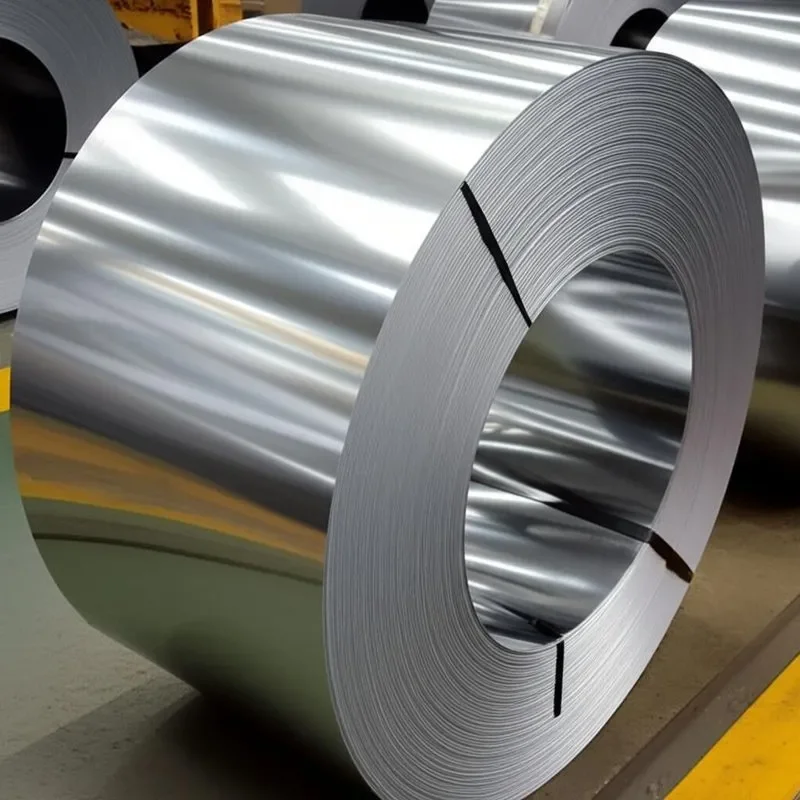
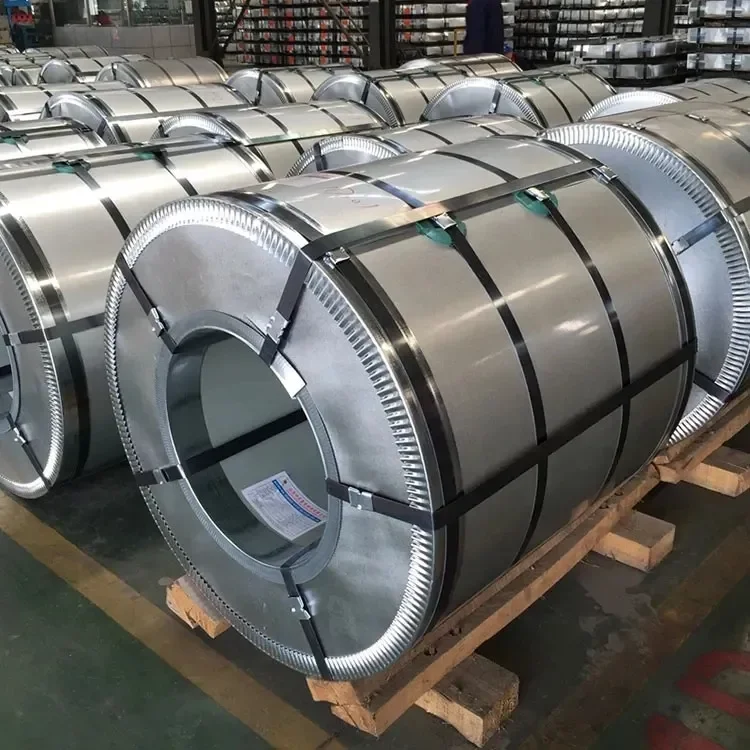
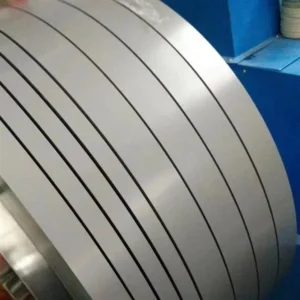
Transformer steel coatings protect the core from rust and reduce eddy current losses. Among the common options, C5, C6, and C7 often cause confusion. Each coating offers a different balance of insulation, thickness, and heat resistance. This article explains those differences clearly. It also helps engineers choose the right coating for specific applications.

C5 Coating: The Standard Inorganic Option
C5 is a common inorganic coating for grain-oriented electrical steel. It usually contains phosphate and chromate compounds. This coating provides good insulation resistance at moderate temperatures. For many standard transformers, C5 works well without extra cost. It also resists corrosion during normal operation. However, C5 may not survive high-stress annealing processes. Its thickness typically ranges from 1 to 3 micrometers. That thin layer helps maintain a high stacking factor. As a result, C5 suits distribution transformers and small power units. It also performs reliably in dry or oil-filled environments.
C6 Coating: Enhanced Insulation for Demanding Uses
C6 builds on C5 with a different chemical composition. It often includes ceramic or oxide particles for better thermal stability. This coating handles higher temperatures than C5. Consequently, C6 works well in large power transformers. It also resists damage during stress-relief annealing. The insulation resistance stays strong even after heat exposure. In addition, C6 offers improved corrosion protection. Its thickness is slightly greater than C5, often 2 to 4 micrometers. That extra thickness can reduce stacking factor a bit. However, the trade-off is better durability. Therefore, C6 suits generators and industrial transformers. It also fits applications with frequent thermal cycling.
C7 Coating: Premium Performance for Critical Systems
C7 represents a more advanced coating technology. It typically uses a chromium-free formulation for environmental reasons. This coating delivers the highest insulation resistance among the three. It also provides superior adhesion after annealing. As a result, C7 works in the most demanding transformer cores. These include high-voltage power transformers and renewable energy systems. The coating thickness can reach 3 to 5 micrometers. That thickness ensures reliable performance under extreme conditions. Furthermore, C7 resists mechanical stress during winding and assembly. It also reduces eddy current losses more effectively. However, C7 costs more than C5 or C6. So, engineers reserve it for critical, high-efficiency designs.
Key Differences in Performance and Application
C5, C6, and C7 differ mainly in insulation strength and heat tolerance. C5 offers basic protection at low cost. C6 improves thermal stability and corrosion resistance. C7 provides top-tier insulation and environmental compliance. The choice depends on the transformer’s operating temperature. It also depends on the required stacking factor and budget. For standard oil-filled transformers, C5 remains a practical choice. For large power units, C6 delivers better reliability. For premium efficiency or green energy projects, C7 is the preferred option. Each coating has a specific role in transformer design.
Conclusion: Matching Coating to Application Needs
Selecting among C5, C6, and C7 requires a clear understanding of the application. C5 works for routine, cost-sensitive transformers. C6 balances performance and price for heavy-duty use. C7 excels in high-end, high-temperature environments. Engineers should review insulation requirements and annealing conditions. They should also consider environmental regulations and total cost. By matching the coating to the task, they ensure long-term reliability. Ultimately, the right choice reduces losses and extends transformer life.






 English
  Japanese
  Korean
  French
  German
  Spanish
  Portuguese
  Russian
  Arabic
  Italian
  Turkish
  Dutch
Dutch  Polish
  Swedish
  Danish
  Norwegian
  Finnish
  Greek
Greek  Hungarian
  Czech
Czech  Romanian
  Bulgarian
  Slovenian
  Croatian
  Slovak
  Malay
Malay  Indonesian
  Thai
Thai  Vietnamese
  Myanmar
  Khmer
Khmer  Lao
Lao  Tagalog
  Hindi
Hindi  Bengali
  Urdu
Urdu  Nepali
  Sinhala
  Hebrew
  Ukrainian
  Serbian
  Icelandic
  Swahili