

Is blue discoloration and hardening at cutting edges of transformer steel normal
Transformer steel plays a critical role in electrical equipment. Manufacturers often inspect its edges after cutting. A common question arises about edge discoloration. Is blue discoloration and hardening at cutting edges of transformer steel normal? The short answer is yes, under specific conditions. This article explains why this happens and when to worry.
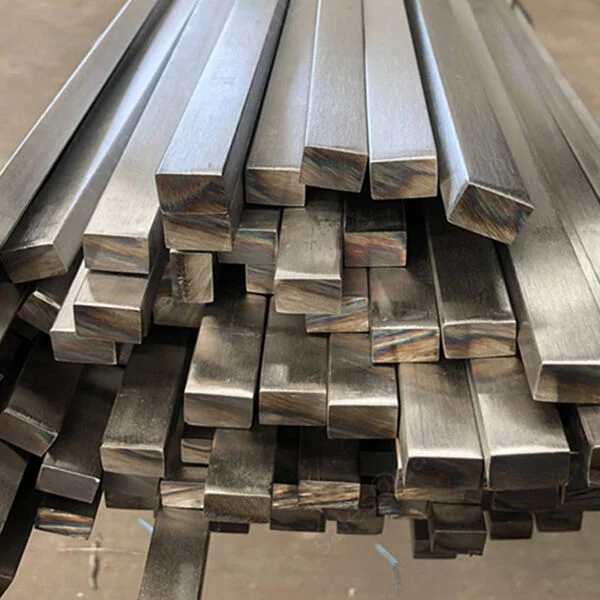
Why Blue Discoloration Appears on Cut Edges
Cutting transformer steel generates intense heat. This heat comes from friction and plastic deformation. The localized temperature can exceed 300 degrees Celsius. At that point, a thin oxide layer forms on the steel surface. This oxide layer creates a blue tint. The color results from light interference, not from contamination. Therefore, blue discoloration is a thermal effect. It signals that the edge experienced high temperature during cutting.
The Link Between Blue Color and Hardening
Hardening at the cut edge often accompanies this discoloration. The heat from cutting acts like a tiny heat treatment. It can cause localized phase changes in the steel. For transformer steel, this means a harder and more brittle edge. The blue color itself does not cause hardening. Instead, both phenomena share the same root cause. That cause is excessive heat during the cutting process.
When Blue Edges Are Considered Normal
In many production settings, blue edges are acceptable. Shearing and laser cutting routinely produce this effect. The blue zone stays very narrow, usually under one millimeter. If the hardened layer remains shallow, core losses change little. Magnetic properties of the bulk material stay intact. Consequently, most industry standards tolerate light blue discoloration. Normal operation does not require rejecting such parts.
When Blue Discoloration Signals a Problem
Problems arise when the blue zone becomes too wide. A wide blue band indicates excessive heat input. This excessive heat can extend the hardened region. A deep hardened layer may crack during bending or stacking. Cracks then increase eddy current losses. In addition, severe hardening can harm the insulation coating. Therefore, a wide or dark blue edge deserves closer inspection.
How to Distinguish Normal from Abnormal Cases
Visual inspection alone cannot measure hardening depth. A simple file test can check edge hardness. If a file skips across the edge, hardening is significant. Microscopic examination reveals the exact depth. For critical applications, magnetic property tests are wise. These tests compare core loss before and after cutting. A noticeable rise in loss suggests the hardening is too severe.
Practical Steps to Control Edge Quality
Proper cutting parameters reduce unwanted hardening. Sharp blades lower friction and heat generation. Slower feed rates also help control temperature. For laser cutting, adjust power and speed carefully. Good cooling during cutting limits the heat-affected zone. After cutting, stress-relief annealing can restore properties. However, annealing adds cost and may not suit all lines.
Industry Standards and Acceptance Criteria
Different standards offer different guidance. ASTM A876 covers flat-rolled transformer steel. It does not explicitly ban blue edges. Instead, it focuses on magnetic performance. IEC 60404-8-4 takes a similar approach. Buyers and suppliers often agree on a maximum blue width. A common limit is 0.5 to 1.0 millimeter. Anything wider triggers a quality review.
Conclusion: A Balanced View for Decision Makers
Blue discoloration and hardening at cut edges are often normal. They result from heat during cutting, not from a material defect. A narrow blue zone rarely harms performance. A wide or deep hardened zone can cause problems. Therefore, the key is to control the cutting process. Measure the heat-affected zone and test magnetic properties. With proper controls, blue edges remain acceptable. Without controls, they may signal a hidden risk. In summary, context determines whether blue edges are normal or not.





 English
  Japanese
  Korean
  French
  German
  Spanish
  Portuguese
  Russian
  Arabic
  Italian
  Turkish
  Dutch
Dutch  Polish
  Swedish
  Danish
  Norwegian
  Finnish
  Greek
Greek  Hungarian
  Czech
Czech  Romanian
  Bulgarian
  Slovenian
  Croatian
  Slovak
  Malay
Malay  Indonesian
  Thai
Thai  Vietnamese
  Myanmar
  Khmer
Khmer  Lao
Lao  Tagalog
  Hindi
Hindi  Bengali
  Urdu
Urdu  Nepali
  Sinhala
  Hebrew
  Ukrainian
  Serbian
  Icelandic
  Swahili