
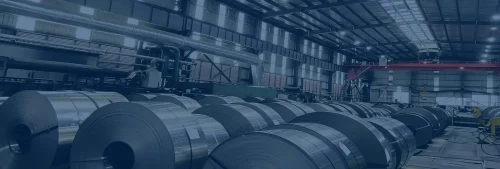
Analysis of Low-Grade Silicon Steel
I. Basic Concept of Low-Grade Silicon Steel
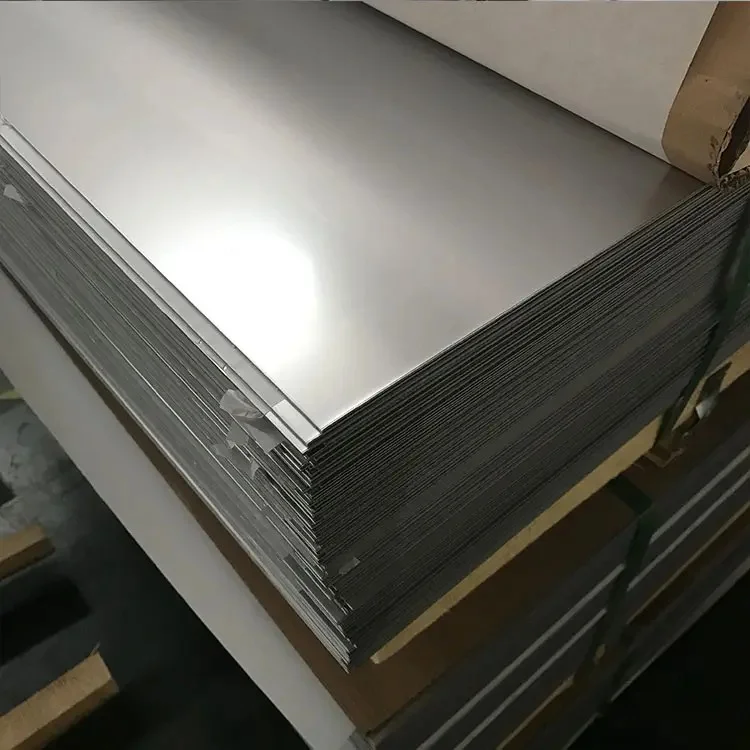
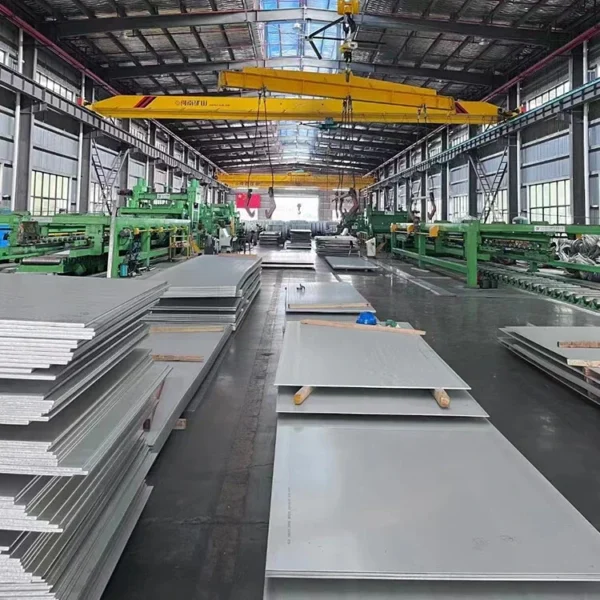
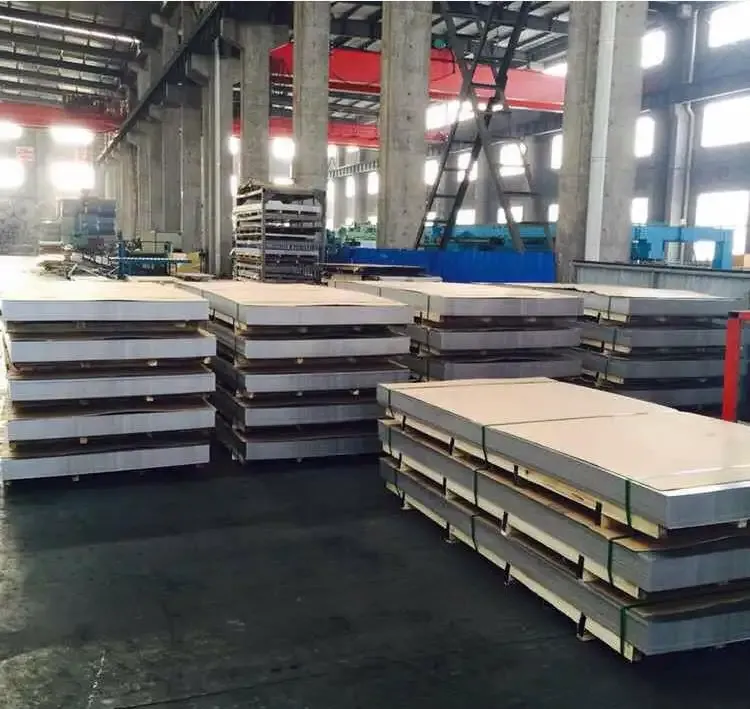
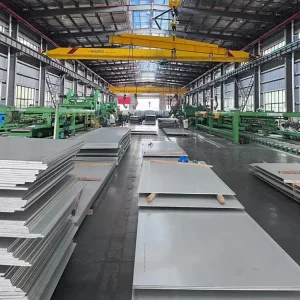
As the name suggests, low-grade silicon steel refers to silicon steel products with low silicon content. Silicon steel is a special type of electrical steel mainly used to fabricate cores for electrical equipment such as motors and transformers. The silicon content of low-grade silicon steel generally ranges from 1% to 2.5%. Compared with high-grade silicon steel, it delivers lower magnetic permeability and electrical resistivity yet comes with a relatively lower cost.

II. Applications and Grade Selection of Low-Grade Silicon Steel
Thanks to its cost advantage, low-grade silicon steel is widely adopted in scenarios with moderate magnetic performance requirements, including small motors and household appliances. The following factors shall be taken into account during material selection:
- Magnetic performance: Select appropriate magnetic permeability and core loss values in accordance with equipment operating demands
- Cost control: Prioritize economic efficiency on the premise that performance requirements are fully met
- Machinability: Low-grade silicon steel generally features superior stamping and cutting performance
III. Precautions and Maintenance for Usage
The following guidelines should be followed when applying low-grade silicon steel:
- Avoid overload operation: Low-grade silicon steel has a low magnetic saturation point, so equipment overload must be prevented
- Regular inspection: Monitor temperature rise of the core to avoid performance degradation caused by overheating
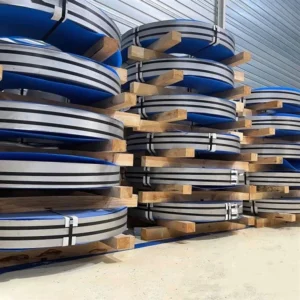
- Storage conditions: Keep the storage area dry to prevent rust from impairing magnetic properties


 English
  Japanese
  Korean
  French
  German
  Spanish
  Portuguese
  Russian
  Arabic
  Italian
  Turkish
  Dutch
Dutch  Polish
  Swedish
  Danish
  Norwegian
  Finnish
  Greek
Greek  Hungarian
  Czech
Czech  Romanian
  Bulgarian
  Slovenian
  Croatian
  Slovak
  Malay
Malay  Indonesian
  Thai
Thai  Vietnamese
  Myanmar
  Khmer
Khmer  Lao
Lao  Tagalog
  Hindi
Hindi  Bengali
  Urdu
Urdu  Nepali
  Sinhala
  Hebrew
  Ukrainian
  Serbian
  Icelandic
  Swahili